


Did you know that swinging has been a beloved pastime for centuries, transcending cultures and ages? Beyond just a fun activity for children, swings foster creativity, physical coordination, and even social skills. In “Who Invented the Swing? Surprising History for Playful Families,” we’ll explore the origins of this timeless playground staple and its evolution through time.
As families, we strive to create engaging and safe outdoor environments where our little ones can thrive. Understanding the history of the swing not only enriches your family outings but also sparks conversations and inspires creative play.
Join us as we dive into the fascinating journey of swings, connecting past innovations with today’s backyard adventures. You’ll uncover the surprising stories that make swinging a cherished part of childhood, all while empowering your family to relish in the joy of outdoor exploration. So, let’s swing into this delightful history together and discover what makes this simple ride so significant!
Who Invented the Swing? The Surprising Origins Revealed
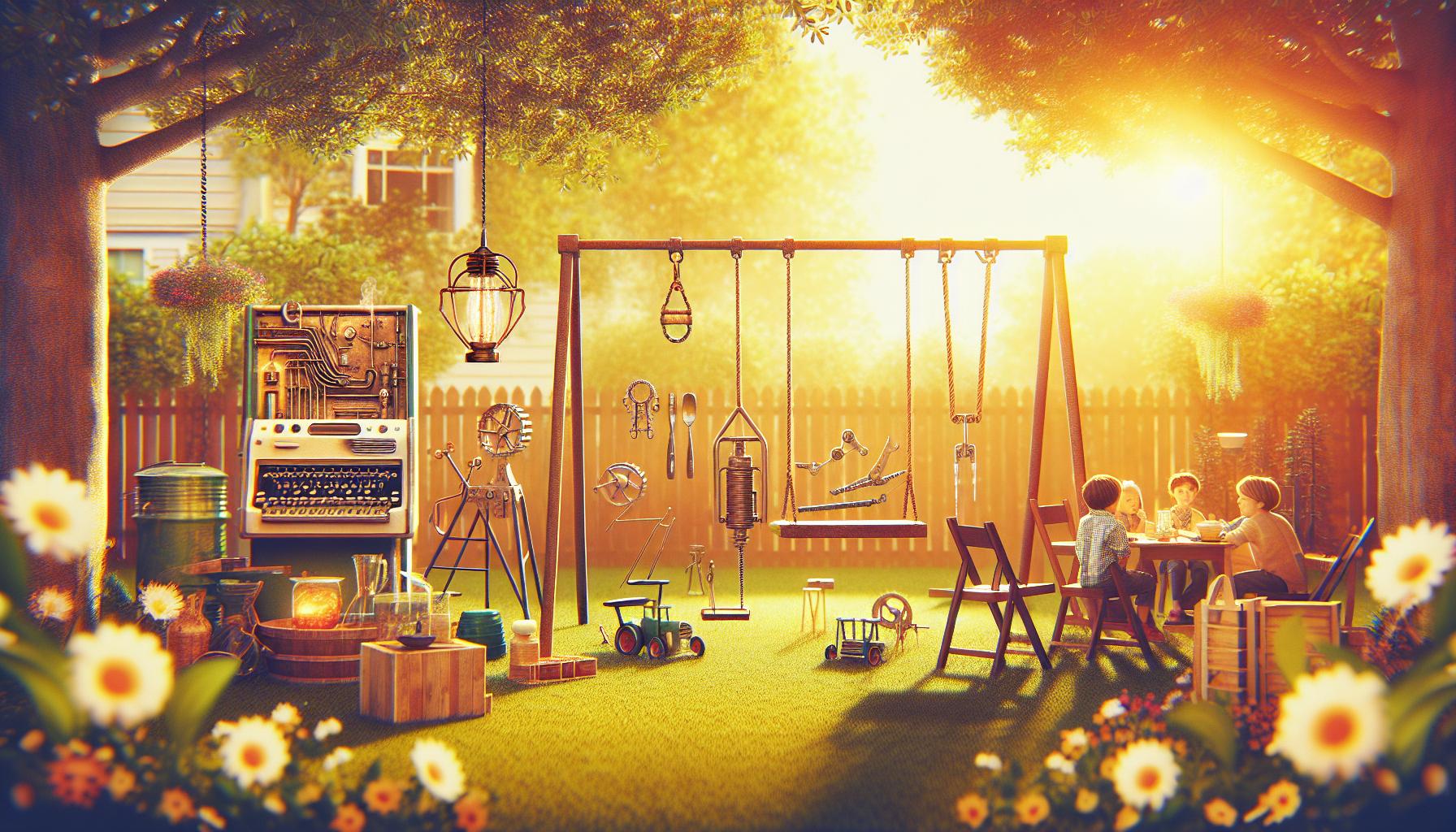
Did you know that the swing, a beloved staple of childhood play, dates back thousands of years? Its origins are as fascinating as the joy it brings to children today. While it’s easy to assume swings emerged from modern playgrounds, evidence suggests that they have been part of human recreation since ancient civilizations, with depictions found in various cultures, including ancient Greece and China. By exploring the history of this iconic piece of play equipment, families can appreciate the rich tapestry of creativity, craftsmanship, and fun that has shaped the swing into what it is today.
One of the earliest references to swings can be traced back to the Greeks, where they were made of ropes and wooden boards or seats, often hung from trees. Over time, swings evolved in design and material. In medieval Europe, swings took on a more decorative appearance, often adorned with elaborate carvings and set within the confines of gardens and estates, catering to both children and adults seeking leisure activities. Cultures around the world modified these simple devices for various purposes. For instance, in Turkey, swings are often incorporated into traditional festivals, signifying celebration and community connection.
For families looking to create a playful outdoor space, understanding the swing’s journey through time can inspire fun projects. Consider crafting your own swing using sustainable materials to invoke this history. Start by gathering high-quality wood, sturdy rope, and even personal touches like paint or carvings to make it unique. Safety is crucial, so make sure to follow guidelines on secure fastening and appropriate height for your swing, ensuring a balance of adventure and a secure environment for play.
In today’s context, swings aren’t just for kids – they can be reinvented as charming garden features or even makeshift adult relaxation zones. Whether you install a hammock-style swing or a classic wooden one, the versatility of swings can bring families together, bridging generations through a simple yet profound way to enjoy the outdoors and unwind. So as you embark on crafting your own swing or choosing the perfect design for your backyard, embrace the historical journey of this playful artifact and let your family’s creativity soar!
The Evolution of Swings Through the Ages
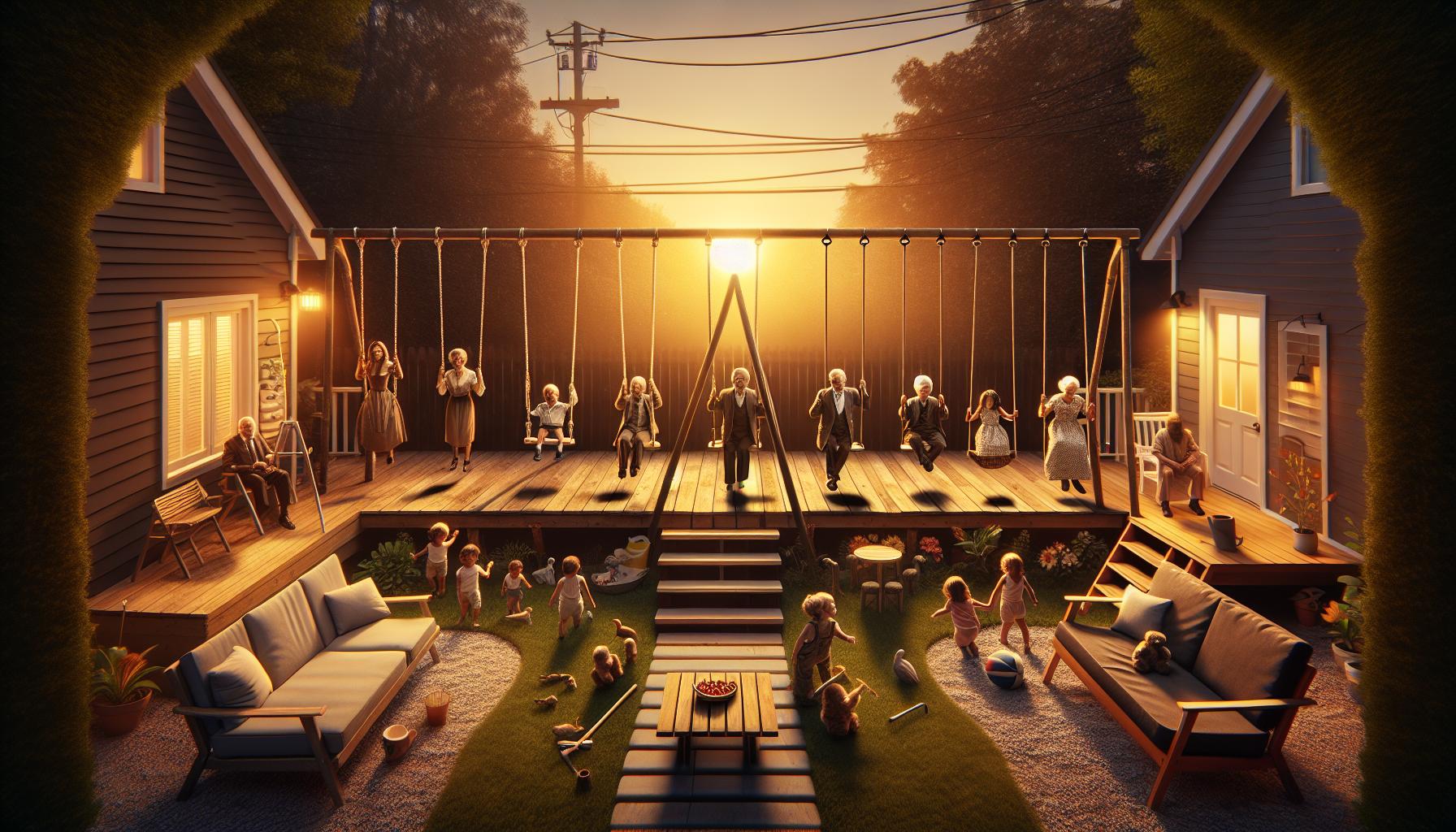
From the time ancient civilizations first rocked in delight atop rudimentary swings made from vines and sturdy branches, the swing has transformed throughout history to become a staple in backyards and playgrounds worldwide. Understanding this journey not only enhances our appreciation for this timeless play equipment but also empowers families to create spaces that invoke joy-while ascertaining safety and fun as top priorities.
The earliest evidence of swings dates back to around 500 A.D. in Asia, where they flourished in Chinese parks, often seen as symbols of leisure and comfort. These swings were generally made from wood and ropes, showcasing the natural materials abundant in their environment. As societies evolved, so too did swinging structures. By the Middle Ages, swings had made their way into European gardens, embodying not just playful pastime but also status and sophistication. This shift highlights how swings adapt to cultural contexts and societal values-ideal inspiration for families crafting their own outdoor spaces.
Modern Ingenuity and Safety Innovations
Fast forward to the 20th century, and swings began to appear in official playground designs. These structures transitioned from simple wooden frames to metal and plastic constructions that prioritize not just fun, but safety. The introduction of shock-absorbing materials and safety standards revolutionized swing design. Now, swings are engineered to withstand the test of time and use, while lower heights and softer landings help minimize injury risks. As you think about adding swings to your backyard, consider modern options that reflect these advancements.
Families today can choose from a fantastic variety of swings: from traditional belt swings to bucket swings for toddlers, glider swings that let two kids sit side by side, or even tire swings for a more adventurous spin. Each type invites different play styles and developmental benefits, encouraging everything from sensory exploration to cooperative play. When selecting swings for your space, always prioritize safety features such as sturdy frames, durable materials, and proper installation to ensure they remain a source of joy rather than risk.
Creating the Perfect Swing Space
To truly capture the spirit of swinging, consider not just the equipment, but the environment in which it resides. A well-planned swing area encourages imaginative play and fosters connections among family and friends.
- Choosing the Right Location: Look for a flat, open space away from obstacles like trees or fences to reduce potential hazards.
- Ground Cover: Opt for safety mats, grass, or wood chips to cushion falls and increase safety.
- Shade is Key: Installing swings under trees or using canopies can protect kids from the sun and heat during those long summer days.
By understanding the rich history and evolution of swings, families can create extraordinary play experiences that are not only fun but grounded in safety and creativity. Designing these spaces invites everyone to enjoy the refreshing thrill of soaring through the air, bringing generations together with laughter and joy.
Cultural Significance of Swings Around the World
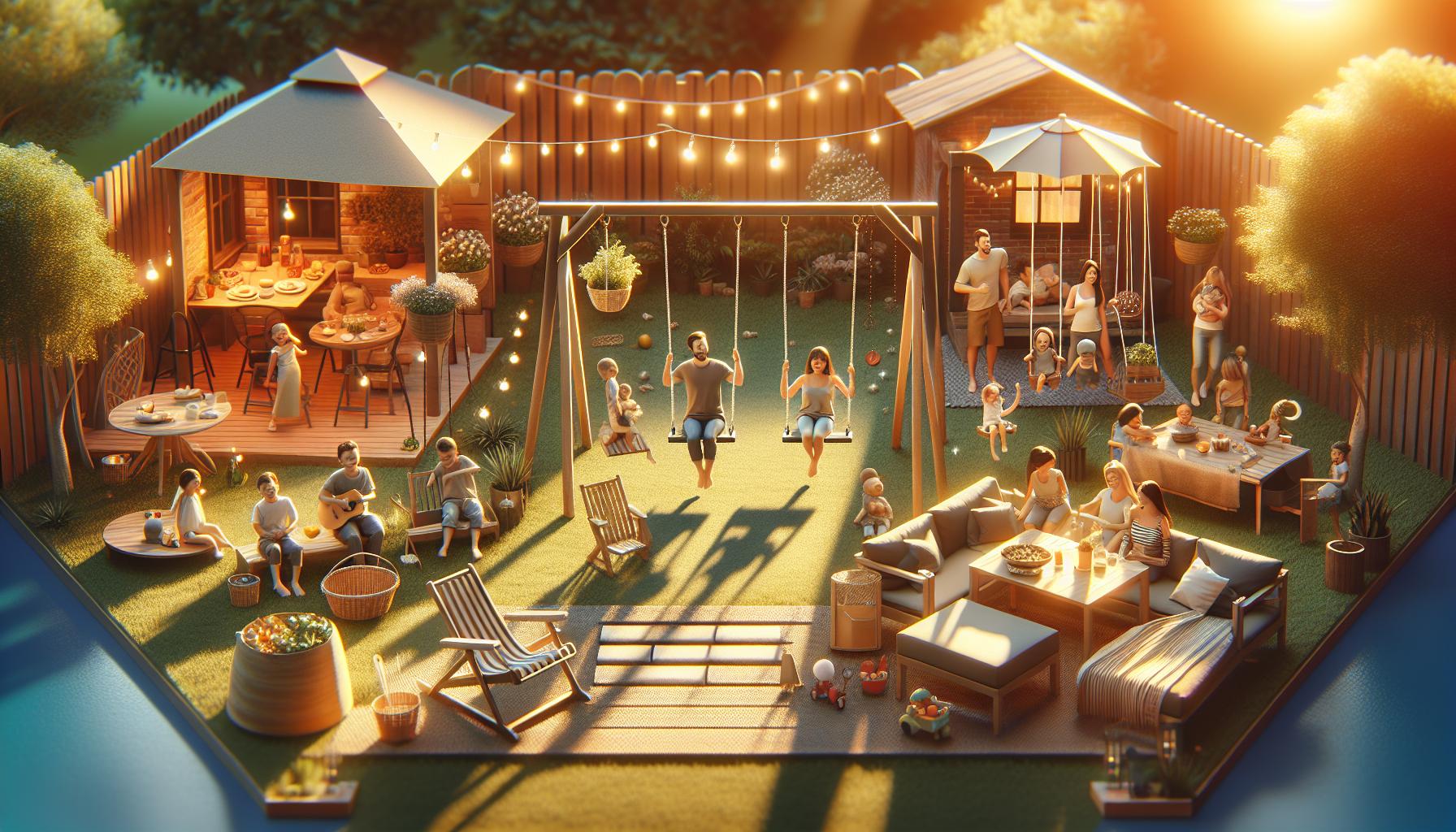
The humble swing, often seen as merely a playful fixture in parks and backyards, carries deep cultural significance across various societies. From ancient civilizations to modern playgrounds, swings have offered more than just amusement; they serve as symbols of freedom, childhood innocence, and even communal bonds. In the lush landscapes of Greece, for instance, swings were historically crafted from sturdy tree branches, providing a sense of leisure for both adults and children alike. The ancient Greeks believed that swinging could symbolically elevate a person closer to the heavens, representing aspirations and freedom from earthly concerns.
Swinging isn’t merely about the physical act; it embodies the spirit of togetherness and interaction. In places like Indonesia and parts of Africa, traditional swings are often constructed from natural materials, creating communal spaces for storytelling, laughter, and sharing. Whether used during festivals or as a daily activity, these swings foster relationships among families and neighbors, underlining the significance of community in these cultures. Parents can play an active role by encouraging their children to engage with swings, transforming them into platforms for socialization and bonding, thus enriching their communal ties.
For families keen on integrating swings into their outdoor spaces, considering the safety and materials used is crucial. Keeping in mind the traditional craftsmanship seen in various cultures, integrating organic materials like wood or rope can enhance the aesthetic appeal while ensuring sustainability. For example, utilizing a tree swing can evoke a sense of nostalgia, mirroring those communal practices around the world.
Moreover, creating a dedicated swinging space encourages a playful ambiance that can make a backyard feel more like a vibrant public gathering area. This transformation not only provides a safe haven for children to unleash their energy but also invites parents to join in. With careful planning, such as choosing the right location, ensuring the ground is soft and safe, and regularly maintaining the swing’s integrity, families can create an inviting play zone that honors the global significance of this timeless recreational staple. Engaging in this hands-on project not only encourages outdoor play but also deepens family connections-each swing pushing upwards mirrors the joys of childhood, capturing the essence of play and freedom that many cultures have cherished throughout history.
Fun Facts About Swings for Family Playtime
Did you know that swinging isn’t just a fun pastime for children-it’s a practice linked to childhood development and joy across generations? From simple ropes tied to trees to elaborate playground designs, swings have come a long way. Not only do they offer hours of entertainment, but they also contribute to physical and emotional well-being. Here are some intriguing facts about swings that make every family playtime even more delightful!
The Global Appeal of Swings
Swings are enjoyed in cultures around the world, often reflecting local traditions and styles. For example, in Japan, bamboo swings are a traditional childhood toy, while in countries like Lebanon, families enjoy swings hung from trees, especially during festive celebrations. This global practice shows that regardless of cultural background, the simple joy of swinging is universal-making it an ideal activity for family bonding.
Benefits Beyond Fun
Swinging has more than just recreational benefits; it can promote motor skill development in young children. The rhythmic motion stimulates the vestibular system, which is important for balance and coordination. This can help improve body awareness and even build confidence as children master swinging on their own. To boost this experience, consider including some gentle guidance, such as encouraging your child to experiment with swinging higher or moving their feet to navigate direction.
Tips for Safe and Fun Family Swinging
Creating a safe swinging environment is crucial to ensuring uninterrupted fun. Here are some practical tips to keep in mind:
- Choose the Right Location: Establish a swinging area with level ground and away from hazards like trees, fences, or other structures.
- Inspect Regularly: Frequent checks ensure that swings are securely anchored and free from any wear or damage.
- Supervise Children: Always supervise younger children while swinging; coaching them on swinging techniques can enhance their enjoyment and safety.
- Consider Using Safety Mats: Placing soft ground materials beneath swings can cushion falls and minimize injuries.
Be Creative with Swings!
Why not take swinging to the next level? Try organizing a swing-themed playdate where families can join in and bring their own swings or game ideas. Do you have a tree in your backyard? Hang up some DIY rope swings for a rustic touch. Incorporate games like “Swinging Tag,” where everyone must swing while trying to tag each other. This not only enhances playtime but also adds a layer of creativity and teamwork to your family bonding experience.
With swings being such a versatile and cherished part of childhood, embracing them in your outdoor spaces can not only enhance family time but also create lasting memories. So gear up, get swinging, and enjoy the delightful moments that come with every push!
How Swings Impact Childhood Development
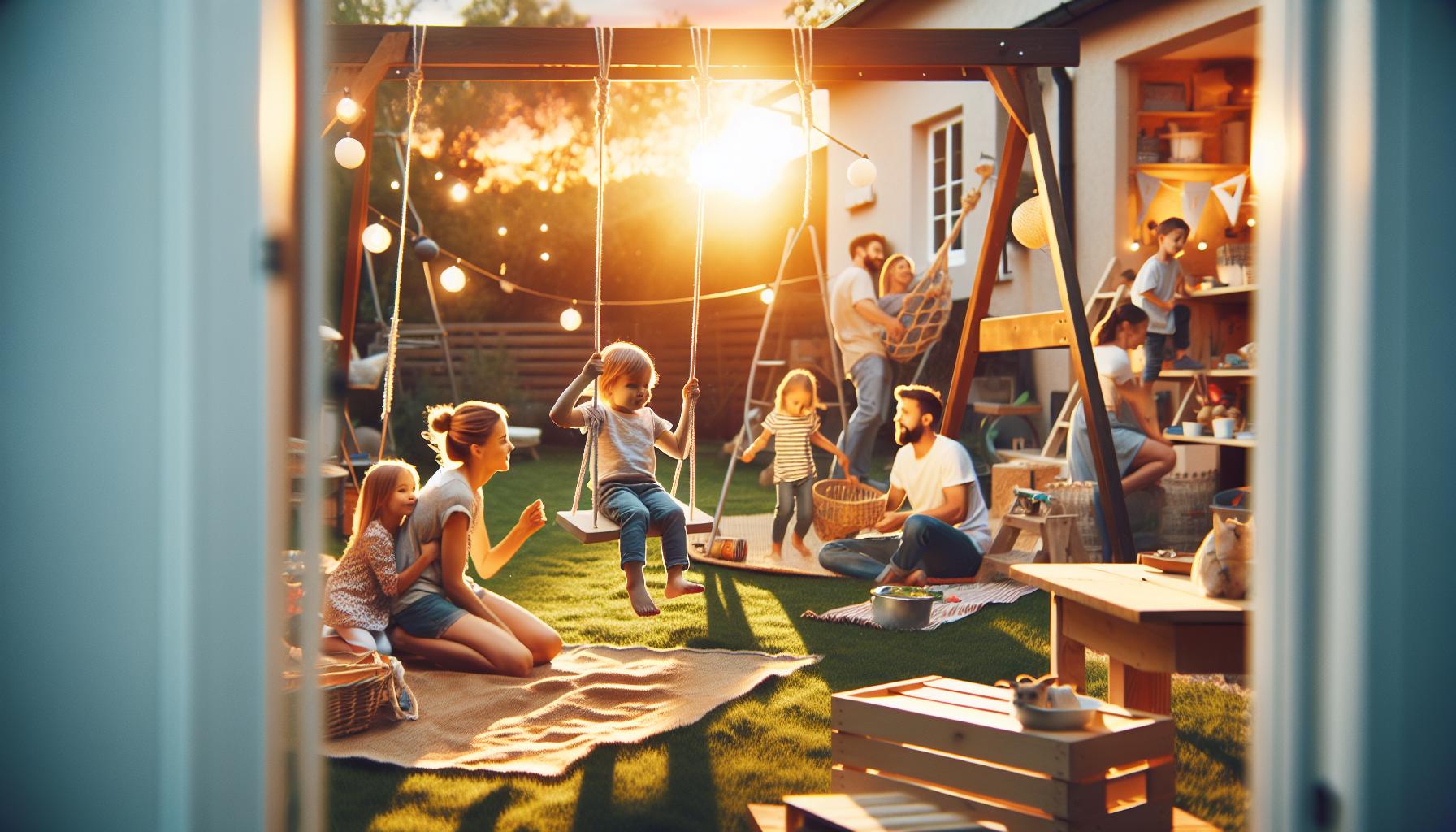
The gentle sway of a swing set, the exhilarating rise and fall, and the feeling of flying through the air are not just pleasurable experiences for children; they play a vital role in their development. Swings contribute to a child’s physical, social, and emotional growth, making them a fantastic addition to any backyard or playground. The rhythmic motion of swinging helps improve their balance and coordination while fostering a sense of freedom and adventure. This simple piece of outdoor equipment can be a key player in holistic childhood development.
Physical Benefits
Engaging with swings helps to develop essential gross motor skills. As a child learns to pump their legs to swing higher, they are practicing coordination and strengthening their muscles. This exercise contributes to:
- Core Strength: Swinging requires the use of core muscles to maintain balance, which is critical for overall stability.
- Proprioception: Understanding where their body is in space improves spatial awareness, vital for everyday activities.
- Fluid Movement: The swinging motion helps improve rhythm and timing, skills important for many sports and activities.
Cognitive Development
As children swing, they also engage in imaginative play. The prompt of “going higher!” or “going faster!” ignites their creativity, allowing them to create scenarios in their minds-whether they’re flying through the clouds or swinging across the stars. This kind of imaginative play supports:
- Problem-Solving Skills: Figuring out how to swing higher involves understanding body mechanics and applying force.
- Concentration: Maintaining focus on their swinging boosts attention span and cognitive engagement.
Social and Emotional Growth
Swings are often a social hub in any playground, encouraging children to interact with peers. Whether they’re waiting for their turn, engaging in friendly competitions to see who can swing the highest, or simply enjoying the company of friends, swings promote valuable social skills. For instance:
- Turn-Taking: Waiting for their turn on popular swings teaches patience and respect for others.
- Confidence Building: Mastering the swings can help children develop a sense of achievement, fostering self-esteem and resilience.
Creating a Safe Swing Environment
While encouraging your child’s playful swinging experiences, it’s crucial to prioritize safety. Here are practical tips to ensure a secure swinging environment:
- Choose the Right Equipment: Select swings made from durable, non-toxic materials that meet safety standards.
- Installation Location: Ensure swings are placed on level ground with adequate space around them, ideally with soft landing surfaces like mulch or rubber mats.
- Supervision: Keep a watchful eye on younger children to prevent accidents and ensure safe play.
The bond that develops during shared playtime on swings can lead to countless well-remembered family moments. Encouraging outdoor play with swings can be the key to creating not just joyous experiences but also fostering growth in multiple areas of a child’s early life. By incorporating swings into your backyard, you’re giving your children more than a fun place to play; you’re enriching their overall development and happiness.
DIY Swing Designs for Creative Families
Swinging is more than just a pastime; it’s a gateway to joy, nostalgia, and shared family experiences. Imagine the laughter echoing as your children soar through the air, feeling the thrill of a DIY swing that you meticulously crafted together. Building your own swing can be a rewarding project that not only enhances your backyard but also creates lasting memories. Whether you’re a seasoned DIY enthusiast or a complete novice, there are various swing designs tailored for every skill level.
Gather Your Materials
Before diving into construction, gather your materials to ensure a smooth assembly process. Some typical supplies you’ll need include:
- Sturdy wood (like cedar or pressure-treated lumber)
- Heavy-duty rope or chain
- Carabiners and eye bolts for secure attachments
- Sandpaper and paint or sealant for finishing
- Basic tools such as a drill, saw, and measuring tape
Another unique twist on traditional swing design is creating a tire swing from a reclaimed tire. Not only is it eco-friendly, but it offers a thrilling experience for kids. Just ensure the tire is clean, and use durable rope to securely hang it from a strong branch or swing set frame.
Design Ideas to Inspire
Now that you have your materials ready, consider these engaging design ideas:
Classic Belt Swing
The classic belt swing is a fantastic starting project. It consists of a rectangular wooden seat suspended by two lengths of rope or chain. Allowing for gentle swaying, it’s perfect for young children. To add a personal touch, consider painting the seat with vibrant, non-toxic colors.
Single-Board Swing
For a rustic charm, try a single-board swing. Simply select a robust plank, sand it down to prevent splinters, and attach it securely to your swing frame using eye bolts. This minimalist design works well in small spaces and can blend beautifully with a natural yard aesthetic.
Hammock Swing
Transform your swinging experience with a hammock swing that embraces comfort. This design can be crafted from durable fabric and suspended from two sturdy trees or a freestanding frame. Children will adore the gentle rocking motion, perfect for reading or just relaxing on a sunny afternoon.
Safety Considerations
While excitement and creativity are essential, safety should never be compromised. Here are some quick tips to ensure a secure swing experience:
- Choose weight-rated materials that can withstand manual use.
- Inspect the swing regularly for wear and tear, especially the ropes or chains.
- Ensure all fastenings are secure and free from rust.
- Maintain an appropriate height from the ground to prevent accidents.
Creating a DIY swing is more than just an outdoor accessory; it’s an opportunity to bond, learn, and explore together. With a little skill, imagination, and attention to safety, your family can craft delightful swinging experiences that invite laughter and joy in the great outdoors. So, roll up your sleeves and let your creativity take flight-your backyard adventure awaits!
Safety Tips for Building and Using Swings
Creating a swinging space can turn any backyard into a haven of fun, but safety should always be at the forefront of your mind. Did you know that swings have been a playful part of childhood for centuries, evolving from simple planks tied to trees to the modern swings we know today? While the history of swings is fascinating, ensuring the safety and enjoyment of your children while using them is paramount.
When constructing a swing set, choose sturdy materials-pressure-treated wood or heavy-duty metal are ideal. Ensure that you position the swing set on a level area, away from any potential hazards like rocks, trees, or fences. An adequate safety zone around the swing is essential; experts recommend at least six feet on all sides. This prevents accidents from occurring when a child swings too high or jumps off.
It’s also crucial to use proper installation techniques. Make sure all bolts, screws, and fittings are checked regularly for wear and tear. The height of the swing seat should be appropriate for the age of the user. For younger children, swings should be lower to the ground to minimize the risk of falls. Consider opting for swings with safety features such as high backs and belts, particularly for toddlers. You can also create soft landing areas using mulch, sand, or rubber mats to cushion any falls.
Monitoring Usage
Supervision is key when your little ones are enjoying their swings. Encourage children to take turns and establish a one-at-a-time rule to avoid collisions. Make it a rule that they should face forward while swinging-this prevents dangerous backward falls. Establish boundaries on how high they can swing, and remind them to avoid jumping off while in motion. Engaging children with rules ensures they not only have fun but also learn the importance of safety in play.
Incorporating swings into your outdoor space can provide countless hours of joyful play, making it a favorite gathering spot for families and friends. By adhering to these safety tips, you can create an environment where children can swing safely while enhancing your backyard’s playful atmosphere. Happy swinging!
The Best Materials for Swing Construction
When it comes to building the perfect swing set, the materials you choose can make all the difference between a fleeting fond memory and a cherished family tradition. Whether you envision a classic wooden swing, a sturdy metal frame, or something whimsical and creative, selecting the right materials not only enhances safety but also assures durability and endless fun for your little ones. Here’s a dive into that will have your family enjoying sunny afternoons in no time.
Wood: Natural and Timeless
Wood has long been a popular choice for swing construction, and for good reason. It brings a timeless aesthetic that blends seamlessly into outdoor settings. When selecting wooden materials, consider the following:
- Cedar: Naturally resistant to rot and insects, cedar is lightweight yet durable, making it an ideal choice for swing sets.
- Redwood: Similar to cedar, redwood offers stunning beauty and natural resilience, though it can be more expensive.
- Pine: This economical option is versatile but should be pressure-treated to prevent decay and prolong its lifespan.
Properly sealing and maintaining the wood with treatments ensures safety against splinters and deterioration, allowing your swing set to stand strong against the elements.
Metal: Strong and Reliable
For families seeking durability and lower maintenance, metal swings provide an attractive alternative. Steel and aluminum are two primary options:
- Steel: Highly durable and offering excellent support, steel frames are perfect for heavy-duty swings. Opt for galvanized steel to resist rust and corrode.
- Aluminum: Lightweight and resistant to rust, aluminum swing sets are easier to assemble and reposition, offering flexibility for your outdoor layout.
Metal swing sets typically have a longer lifespan with little to no fading, ensuring that your investment brings years of joy.
Rope & Accessories: Safety and Comfort
Once you’ve decided on the frame, don’t overlook the importance of robust ropes and accessories that enhance both safety and comfort:
- Polypropylene Rope: Moisture-resistant and incredibly strong, this is the go-to choice for creating secure attachments.
- Seat Materials: Options such as rubber, PVC, or canvas can provide extra comfort while ensuring safety. Ensure the seats are treated to withstand weather exposure.
- Safety Components: Incorporate safety mats and harnesses for younger children to prevent falls, ensuring an enjoyable experience for the whole family.
Choosing the right materials for constructing a swing is about balancing safety, durability, and aesthetics. By investing in quality wood or metal, along with a focus on secure accessories, you can craft a vibrant outdoor space that encourages creativity, play, and family bonding. So grab your tools, gather your loved ones, and embark on this exciting project together!
Choosing the Right Swing for Your Child
Selecting the perfect swing for your little one can be an exciting journey into the world of outdoor play! As families begin to choose swings for their backyards, it’s essential to look for options that will not only provide hours of entertainment but also ensure safety and security. Did you know that the type of swing and its materials can significantly impact your child’s swinging experience? Understanding these aspects can lead to better choices, enabling you to create a delightful play space that nurtures your child’s sense of adventure.
When embarking on this quest, start by considering the age and developmental stage of your child. Young toddlers often require swings with added safety measures such as high backs and safety harnesses to keep them securely in place. A swing seat designed for infants typically features sturdy sides to prevent them from sliding out. For older kids, invest in swings with larger seats made of durable plastics or wood that can accommodate their growing size and offer a little more freedom of movement.
Materials Matter
When it comes to choosing the right swing, the material plays a crucial role in both safety and comfort. Here’s a breakdown of popular materials to consider:
- Plastic: Lightweight and weather-resistant, plastic swings are easy to maintain and are typically budget-friendly. Perfect for younger children, they come in vibrant colors that appeal to little ones!
- Wood: A classic choice that blends beautifully into natural settings, wooden swings offer excellent sturdiness and durability. Look for high-quality, treated wood that can withstand the elements and has a smooth finish to avoid splinters.
- Metal: Known for their strength, metal swings often come in durable frames and are suitable for older children who are looking for more challenging swinging action. Ensuring they have protective paint or a powder-coated finish can prevent rust.
Maximizing Safety
Safety should always be at the forefront of your swing selection. Here are essential factors to keep in mind:
- Check for ASTM (American Society for Testing and Materials) certification to guarantee that the swing meets safety standards.
- Ensure that swings are designed with features like safety straps and back support for younger children.
- Read reviews or talk to other parents about their experiences with the swings you’re considering.
Additionally, consider the installation area. Adequate cushioning beneath the swing is crucial, whether you choose rubber mulch, grass, or a soft play mat, to create a safe landing in case of falls.
Ultimately, choosing the right swing is about blending fun with safety and durability. As families across the country can attest, a thoughtfully selected swing not only enhances outdoor play but also fosters priceless moments of laughter and connection. So roll up your sleeves, do a little research, and prepare to watch your children soar into a world of joy and imaginative play right in your backyard!
Unique Swings to Inspire Outdoor Fun
The joy of swinging has captivated children and families for centuries, and today’s swings come in all shapes and styles, offering not only fun but also a chance for creativity. Imagine swapping out the typical straight plank for a tire swing, or adding a twist with a tree hammock. These alternatives don’t just enhance your outdoor space; they ignite imagination and encourage children to explore their surroundings while honing important motor skills. Let’s dive into some unique swing ideas that can inspire outdoor fun and make your backyard a vibrant playground.
Creative Alternatives to Standard Swings
If you’re searching for ways to elevate playtime, consider these inventive swing options:
- Tire Swings: Embracing the nostalgia of childhood, tire swings can be hung from sturdy branches or frames, providing a thrilling experience that’s hard to beat. They allow for a fun challenge as kids learn to balance while pushing their swinging skills to the limit.
- Hammock Swings: Imagine lounging in a cozy hammock swing, gently swaying in the breeze. Perfect for relaxation and reading or just soaking up the sun, hammock swings invite a different kind of play that prioritizes comfort and leisure.
- Disc Swings: These round swings rotate and tilt, offering an exciting, dynamic experience that differs from traditional swings. Perfect for older kids, disc swings encourage core strength and balance while bringing an element of fun to every push.
- Rainbow Swings: Colorful, woven swings add an artistic element to your outdoor environment. They provide a visually appealing space while inviting imaginative play, transforming your yard into a vibrant sanctuary for your family’s activities.
Safety First: Tips for Swing Installation
Safety is paramount when it comes to any swing installation. Before setting up your new addition, adhere to these essential safety guidelines:
- Location: Choose a flat, level surface for installation. Ideally, swings should be placed on grass to help cushion any falls.
- Secure Anchoring: Whether installing a tire swing or a traditional swing set, ensure that everything is anchored securely. Consult installation guides for recommended specifications on height and weight limits.
- Routine Checks: Regularly examine swings for wear and tear. Make it a habit to assess ropes, chains, and any materials for stability and safety.
- Ground Safety: Use impact-absorbing materials like rubber mulch, pea gravel, or soft grass underneath swings to minimize injury risk in case of falls.
By integrating unique swinging options into your outdoor space, you foster creativity and physical activity while weaving safety seamlessly into fun. As your family embraces the spirit of outdoor exploration, remember that the possibilities are endless. Get creative, and let every swing inspire laughter and joy among your loved ones!
Innovative Swing Set Ideas for Your Backyard
Imagine a warm summer afternoon where laughter fills the air, and the sound of joyous squeals fills your backyard as children swing high into the sky, exploring their limitless imaginations. Swing sets have been a cherished fixture of childhood play for generations, but they can be so much more than a simple structure. By thinking outside the box, you can transform your backyard into an extraordinary play zone with innovative swing set ideas that cater to your family’s unique needs and preferences.
Customizable Swing Designs
One of the most exciting aspects of modern swing sets is their versatility. You can create a swing set that mirrors your family’s interests and lifestyle. Consider a themed swing set-a pirate ship, a treehouse, or even a cozy cottage-can spark creativity and storytelling during play. Use durable materials like treated wood or powder-coated metal for safety and longevity, ensuring that your swings will survive the test of time and enthusiastic play.
- Multi-functional Swings: Incorporate swings that serve multiple purposes, like a swing that can convert into a slide or climbing wall, offering more than one type of enjoyment.
- Inclusive Options: Invest in adaptive swings that allow children of all abilities to swing together. Wheelchair-accessible swings, or those with supportive seats, encourage friendships and inclusion.
- Nature-Inspired Swings: Hang swings made from eco-friendly materials or designed to look like nests or flowers to seamlessly blend into your garden.
Interactive Swing Set Features
Adding interactive elements to your swing set can enhance engagement and encourage physical activity. For example, integrating musical components-like drums or chimes that can be played while swinging-engages children in auditory play. You could also try adding climbing features or ropes to promote strength and coordination while providing endless fun.
If space permits, consider incorporating additional structures like a sandbox or playhouse adjacent to your swings to create a multi-functional play area that entices children to enjoy more than just swinging. This type of thoughtful design promotes physical activity while ensuring varied play experiences throughout the day.
Safety First: Creating a Secure Play Area
In your enthusiasm to build the ultimate swing set, always prioritize safety. Ensure that the area surrounding your swing set is soft and resilient. Natural options such as wood chips, sand, or rubber mulch provide cushioning for accidental falls. Additionally, regularly inspect your swing set for wear and tear, particularly the chains and swing seats, to guarantee everything remains in good condition.
For families with little ones, incorporating safety measures like intently placed boundary fencing around the swings can further enhance the peace of mind as kids play. With these precautions in place, your backyard can shift from a simple lawn to a breathtaking playground oasis where laughter reigns supreme.
By embracing creativity, interactivity, and safety in your swing set design, you can create a backyard that nurtures imaginative play while keeping your children safe. A thoughtfully designed swing set is not just a piece of playground equipment; it’s a gateway to adventure, laughter, and lifelong memories. So gather your family, decide on a project, and let the swing-set magic begin!
The Future of Swing Play: Trends and Innovations
Imagine a world where swings are transformed into magical adventures, engaging children’s imaginations while providing a safe environment for play. As we look ahead, the future of swing play is blossoming with exciting trends and innovations that elevate the experience of outdoor spaces for families everywhere.
One of the most notable shifts is the incorporation of smart technology into swing designs. For instance, swings equipped with sensors can track a child’s movements and adjust the swing’s height and speed automatically, providing a customized play experience. This innovation not only enhances safety by preventing falls from heights but also keeps children engaged and entertained as they swing higher or lower depending on their preferences. Families will find such technology appealing, allowing for shared family experiences that blend fun with learning.
Additionally, many manufacturers are embracing eco-friendly materials and sustainable practices in swing production. Using bamboo, recycled plastics, and non-toxic paints, swings are becoming safer for children and the environment alike. This trend resonates with growing family values centered around sustainability and health, encouraging parents to make conscientious choices for play equipment. Families looking to enhance their yards with swings can now do so knowing they are making a positive impact.
Another emerging trend is the design of inclusive swings that cater to children of all abilities. With features such as higher backs, side support, and spacious seats, these swings provide everyone the chance to enjoy the thrill of swinging. Families can foster an atmosphere of inclusivity at home, showing children the importance of compassion and teamwork from a young age. Communities are increasingly recognizing the importance of accessible play areas, inspiring families to advocate for inclusive designs in public parks.
Creating an ideal swing area doesn’t stop with simply choosing the right equipment. Families are encouraged to enhance their outdoor spaces by integrating swings into vibrant play zones that promote holistic development. Consider adding soft landing surfaces, like rubber mulch or foam tiles, to cushion falls, ensuring safety without sacrificing style. Pair swings with sensory gardens, climbing structures, or even music stations to create a sensory-rich environment where laughter and learning go hand-in-hand.
In summary, as families embrace these innovative trends, they’re not only investing in new swings but cultivating an exemplary environment that prioritizes safety, inclusivity, and fun. This evolution of swing play redefines outdoor experiences for children and families alike, setting the stage for joyful memories to be made for generations to come. Whether updating a backyard or advocating for community parks, every family can contribute to this exciting future of play!
Q&A
Absolutely! Here’s an SEO-optimized FAQ section for “Who Invented the Swing? Surprising History for Playful Families.”
Q: Who is credited with inventing the swing?
A: The exact inventor of the swing is unknown, but evidence suggests that swings date back to ancient Greece and Rome. They were primarily used for children’s play and have evolved significantly over the centuries. Explore this fascinating history in our full article!
Q: When did swings first appear in history?
A: Swings have been documented as far back as 500 BC, found in ancient Greek art. Over the years, their design and purpose have transformed, making them a beloved fixture in playgrounds today. Discover more about this timeline in our detailed history section.
Q: What materials were traditionally used to make swings?
A: Early swings were made from natural materials like wood and ropes. Today, swings are constructed from a variety of materials, including plastic and metal, offering durability and safety for children. Check out our guide on selecting the right swing materials!
Q: Why did swings become popular in playgrounds?
A: Swings became popular as playgrounds evolved in the late 19th and early 20th centuries, promoting outdoor play and physical activity for children. Their fun and engaging nature appeals to kids, making them a staple in recreational areas. Learn more about playground evolution in our article.
Q: How do you safely set up a swing in your backyard?
A: To safely set up a swing, choose a level surface, ensure proper spacing between structures, and secure the swing set according to manufacturer guidelines. Regular safety checks are crucial for preventing accidents. See our safety tips section for more details!
Q: What are the different types of swings available today?
A: Today, swings come in various types, including traditional bucket swings, tire swings, gliders, and hammock swings. Each serves different age groups and preferences, making it easy to find one that fits your family’s needs. Explore our comparison chart for more insights!
Q: When is the best age for children to start using swings?
A: Most children can start using swings safely around 18 months old, with supervision. Choose swings suitable for their age and size to ensure a safe and enjoyable experience. Check our age recommendations to find the perfect swing for your child!
Q: Where can I find fun swing designs for my backyard?
A: You can find creative swing designs online through DIY blogs, Pinterest, or home improvement stores. Many sources provide step-by-step guides for families looking to customize their swings. Visit our design inspiration section for unique ideas!
This FAQ section is structured to provide immediate, user-friendly responses to common inquiries related to swings, enhancing the potential for featured snippets and voice search optimization while encouraging further exploration of your article.
In Conclusion
As we discover the surprising history of the swing, it’s clear that this timeless playground staple has sparked joy for generations of families. With insights from its unique origins to playful innovations, we hope you’re inspired to create lasting memories outdoors. Why not enhance your family’s playtime by checking out our guide on Creative Playgrounds for Kids or explore Essential Safety Tips for Outdoor Play? Embrace the spark of imagination!
Don’t let the fun stop here! Dive deeper into our wealth of resources, including DIY projects that equip you to craft your own swing set or tips on revamping your backyard. Have any thoughts or questions? Share your experiences in the comments below-we’d love to hear how swings have shaped your family moments! And remember, if you enjoyed this journey into the past, sign up for our newsletter for more engaging content that puts the joy back into playtime. Let’s keep the adventure going!


