


Did you know that playing on a seesaw can boost children’s balance and coordination skills while also providing endless fun? Building a seesaw at home with your kids not only creates a fantastic outdoor playtime experience but also fosters creativity, teamwork, and problem-solving skills-essential elements for childhood development.
In today’s digital age, where outdoor playtime often gets sidelined, creating a simple DIY seesaw can revitalize your backyard and bring joy to your family. Imagine the laughter and excitement as your children take turns soaring up and down, forging cherished memories together.
This guide will walk you through easy-to-follow plans that anyone can tackle, regardless of DIY experience. So roll up your sleeves, grab some materials, and let’s embark on an enjoyable project that promises fun and smiles for years to come!
How to Choose the Right Materials for Your Seesaw
When embarking on the exciting journey of building a seesaw, selecting the right materials can significantly enhance the safety and enjoyment of the final product. The most common choice for constructing a seesaw is sturdy wood, which offers the durability needed for playful fun. Using high-quality lumber ensures not only stability but also longevity, allowing your investment in outdoor play to entertain children for years. In this guide, we will explore the materials required to create a safe and enjoyable seesaw.
Essential Materials
When gathering materials, consider the following key components that form the backbone of a reliable seesaw:
- Wood: Opt for treated or untreated lumber, such as 2x4s or 2x6s, depending on the design. These provide a solid foundation to withstand the weight and movements of children. Projects can typically be completed for under $30 in lumber costs, making it budget-friendly [1].
- Pivot Point: A strong pivot point is crucial for the seesaw’s function. Stainless steel or galvanized bolts work best, as they resist rust and wear. The pivot should be securely attached to the frame to ensure smooth motion.
- Screws and Fasteners: Use high-quality wood screws that are long enough to provide a firm grip but not so long that they compromise the wood’s structural integrity. Avoid using nails, as they can loosen over time under repeated use.
- Finish (optional): A non-toxic wood sealant or paint not only enhances the aesthetic appeal but also protects the wood from the elements, ensuring it remains in excellent condition for outdoor use.
Safety Considerations
Prioritizing safety is paramount during your construction journey. Always inspect the wood for knots or cracks that could compromise strength. Be mindful of the weight capacity to ensure it safely accommodates the number of children expected to use it simultaneously. Additionally, rounding the edges of the wood can prevent injuries from sharp corners, making playtime safe and enjoyable.
Choosing the right materials is not solely about functionality; it’s also an opportunity to engage your family in a fun and rewarding project. Encourage your children to help select colors or finishes if you choose to add a decorative touch. Not only will this enhance the personal connection to the seesaw, but it can also foster a sense of pride in the finished creation, turning outdoor play into a special experience that the whole family can cherish.
Essential Tools You’ll Need for Building a Seesaw
Creating a seesaw is a fantastic DIY project that combines fun and functionality, providing hours of entertainment for your children. To embark on this rewarding journey, having the right tools at your fingertips is essential. It not only ensures the project runs smoothly but also guarantees that you are producing a safe and sturdy structure that will withstand the joys of playtime.
Here’s a list of tools you’ll need to get started:
Essential Tools
- Hand Saw or Power Saw: A reliable saw is crucial for cutting down your wood pieces to the proper lengths and angles. A miter saw can provide precise angles for better stability.
- Drill: You’ll need a drill to create holes for screws and bolts, ensuring your seesaw is securely assembled.
- Screwdriver: A screwdriver will help tighten screws securely. Consider having both a flathead and a Phillips head on hand.
- Measuring Tape: Accurate measurements are vital when making cuts and ensuring symmetry in your seesaw structure.
- Level: To make sure your seesaw operates perfectly balanced, a level will help you check the evenness of your assembly.
- Sandpaper or Sander: Smooth out rough edges to prevent splinters and ensure safety for little hands and feet. This step is often overlooked but is crucial for comfort.
- Safety Gear: Don’t forget protective eyewear and gloves. Safety should always be your top priority when working with tools.
Having these tools ready will make your seesaw-building experience enjoyable and efficient. Each tool serves a purpose in constructing a sturdy, safe piece of equipment that your kids will love. Remember, while the tools are essential, the real reward lies in the smiles of your children as they play on the seesaw you meticulously crafted together! So, gather your materials and tools, and let the fun begin!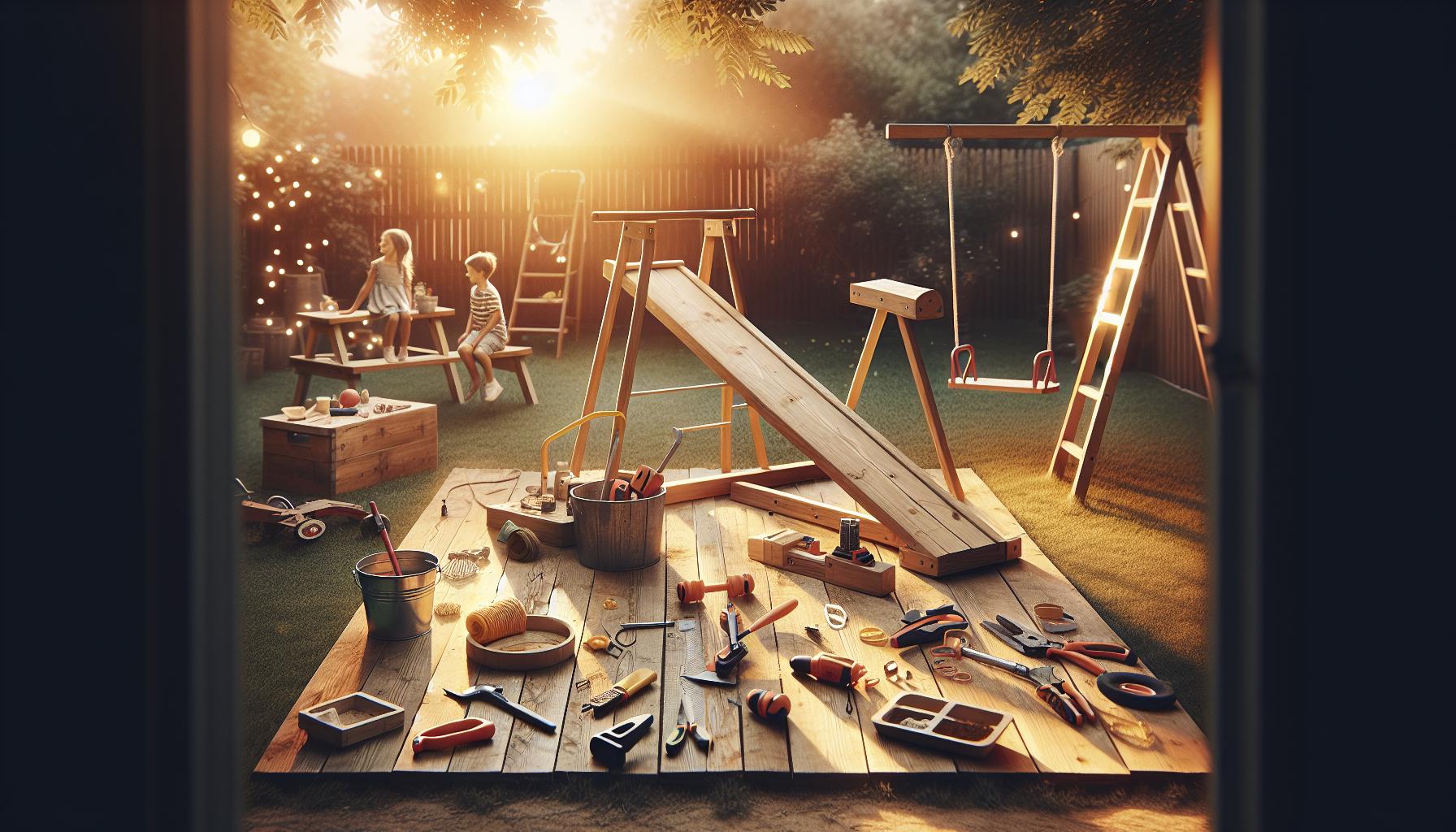
Step-by-Step Instructions for Crafting Your Seesaw
Creating a seesaw can be a fantastic way to combine fun and learning for kids. Not only does it promote balance and coordination, but it also provides an excellent opportunity for families to bond while working on a hands-on project. With just a few materials and a dash of creativity, you can build a seesaw that will be the centerpiece of your backyard play area. Let’s dive into the process of crafting your very own seesaw, ensuring fun and safety every step of the way.
Gather Your Materials
Before you can start building, let’s make sure you have everything you need. Here’s a list of materials that will make your seesaw safe and enjoyable:
- Two sturdy wooden boards (one for the seat and one for the base)
- A strong pivot point (such as a metal rod or heavy-duty bolt)
- Wood screws and wood glue
- Sandpaper (for smoothing edges)
- Paint or wood sealant (to protect from the elements)
- Safety gear (gloves and goggles)
Having the right tools will streamline your process. A saw, drill, and screwdriver are essential for this project, along with a level to ensure your seesaw sits evenly on the ground.
Constructing the Seesaw
With your materials at hand, it’s time to start building! Here’s a simple step-by-step guide that will help you through the construction process while keeping safety in mind:
- Prepare the Wood: Start by cutting your wooden boards to the desired length. A good size for the seat board is about 5 feet. Sand any rough edges to avoid splinters and sharp surfaces.
- Create the Base: Take the larger board that will serve as the base, and lay it horizontally on the ground. Mark the center and drill a hole for the pivot point, which should be aligned with the middle of the board to ensure even weight distribution.
- Attach the Seat Board: Position the seat board over the base and securely fasten it using your pivot point. Ensure that it can pivot smoothly. You might need to adjust the height of the pivot point based on the ages of the children who will be using it, as lower pivot points can be safer for younger kids.
- Safety Checks: Before letting the kids play, perform a thorough safety check. Ensure that all screws are tight, there are no sharp edges, and the structure feels stable and secure.
Finishing Touches
Once your seesaw is built and checked for safety, it’s time to add those finishing touches. Painting it with bright colors can make it more visually appealing, while a coat of sealant will protect it from rain and sunshine, prolonging its lifespan. Encourage your kids to help design the look-this can be a wonderful way for them to personalize their own playground equipment!
Creating a seesaw can be a fun and rewarding DIY project that fosters cooperation and creativity within the family. By following these easy steps and emphasizing safety, you’ll not only build a fun piece of playground equipment but also create lasting memories together. So grab those tools, unleash your inner builder, and let the laughter resonate as your kids enjoy the fruits of your teamwork!
Creative Design Ideas for Custom Seesaw Features
Creating a custom seesaw is not just about building a piece of equipment; it’s an opportunity to ignite your child’s imagination and create a unique play experience tailored to their interests. With a bit of creativity, you can transform a simple seesaw into a multifaceted play area. Here are some engaging design ideas to help inspire your project and ensure that your seesaw stands out while emphasizing safety and fun.
Personalized Themes
Consider choosing a theme that resonates with your child. Whether it’s a favorite movie, animal, or fantasy world, you can incorporate elements reflecting that passion. For example, paint the seesaw in vibrant colors that represent a specific character or add decals of beloved figures. This personal touch not only makes the seesaw more visually appealing but also creates a space where kids can immerse themselves in imaginative play.
Functional Additions
Enhancing the seesaw’s functionality can make it even more exciting. Here are some ideas to consider adding:
- Side Panels: Attach side panels where children can draw with washable markers or chalk, turning it into a mini art project.
- Storage Compartment: Build in a small storage compartment beneath the seesaw for toys or artistic supplies, encouraging organization while playing.
- Creative Footrests: Use foam pads or textured grips for footrests, allowing kids to customize their comfort while ensuring safety during use.
Dynamic Features
Incorporating dynamic elements can really enhance the experience. Consider integrating:
- Lights: LED strip lights can be added for a fun nighttime play element. Just ensure they’re safely enclosed to withstand the outdoors.
- Sound Effects: Include a small, waterproof speaker that plays cheerful sounds or music as kids play. This auditory feedback can heighten the overall experience.
- Pivot Mechanism: Experiment with a design that allows the seesaw to pivot or spin, adding an exciting twist to the traditional seesaw motion, making it more fun and engaging.
Making your seesaw an interactive, personalized space opens up a world of outdoor play possibilities. Prioritize safety by using sturdy materials, ensuring all edges are smooth, and anchoring your seesaw securely. With creativity and thoughtful design, you can craft a seesaw that not only provides physical activity but also stimulates your child’s imagination and play.
Safety Guidelines for a Fun and Secure Seesaw
Creating a seesaw for your backyard is not just about providing fun; it’s about doing so safely to ensure children can enjoy their playtime without risk of injury. Did you know that according to safety standards set by organizations like the Consumer Product Safety Commission (CPSC), the way seesaws are constructed and maintained is just as important as the joy they bring? With that in mind, here are essential safety guidelines that will help you create a secure and engaging seesaw experience.
First and foremost, selecting the right materials is crucial. Choose strong, durable wood or metal that can support the weight of the children who will be using it. Additionally, be sure to sand down any rough edges to prevent splinters or cuts. Once the material is chosen and shaped, sturdy bolts and screws should be used to secure all joints, as flimsy connections can lead to dangerous collapses during play.
Installation Site Considerations
The area where your seesaw will be installed plays a significant role in its safety. Here are a few tips to keep in mind when selecting the perfect spot:
- Level Ground: Ensure the ground is even to prevent tipping or instability, which is essential for safe play.
- Soft Landing: Position the seesaw over a soft surface, like grass or mulch, to cushion any falls.
- Clear Area: Maintain a clear zone around the seesaw for at least six feet in all directions, eliminating hazards such as trees, fences, or other playground equipment.
Supervision and Usage Guidelines
While a well-constructed and safely positioned seesaw can drastically reduce the risk of injury, adult supervision remains vital. Educate children on proper seesaw use, emphasizing the importance of not exceeding weight limits and taking turns. Demonstrating safe riding techniques, such as sitting properly and holding onto the handles, will help ensure a secure and enjoyable experience. Regularly inspect the seesaw for wear and damage, addressing any issues promptly to keep the play area safe.
By following these guidelines, not only can you create a fun and secure seesaw, but you will also foster a joyful outdoor environment where children can thrive, explore their physical capabilities, and make cherished memories. With a little preparation and attention to detail, your DIY seesaw can become a beloved feature in your backyard.
How to Personalize Your Seesaw with Paint and Decorations
Creating a seaway for your kids to enjoy can be transformed into a vibrant centerpiece of fun and creativity right in your backyard. Personalized seaways not only provide hours of entertainment but also become a canvas for self-expression. Painting and decorating your seaway allows your family to infuse personality and flair, making each ride more thrilling. Imagine a colorful seaway that reflects your child’s favorite colors or themes, bringing joy and excitement every time they play.
When it comes to personalizing your seaway, consider using non-toxic, weather-resistant paint to ensure it remains safe and vibrant for years to come. Begin by selecting a bright base color to cover the main structure. Once the base coat is dry, you can engage the kids in adding unique designs. For instance, use stencils or sponges to create patterns like stars, stripes, or even their favorite cartoon characters. This not only enhances the visual appeal but also encourages creativity and teamwork, turning the project into a family activity.
Decoration Tips:
- Choose thematic elements: If your child loves dinosaurs, consider painting large dinosaur footprints leading up to the seaway.
- Use accessories: Add colorful ribbons or flags at the ends of the seaway for an extra touch of fun.
- Incorporate natural elements: Planting flowers or placing garden decorations around the seaway can create an inviting atmosphere.
Lastly, safety should remain a top priority. Ensure all materials used are appropriate for outdoor play, avoiding sharp edges and ensuring everything is securely attached. Regular maintenance checks will help keep the seaway in excellent condition, ensuring that the fun continues without any mishaps. With a little creativity and the involvement of the whole family, your personalized seaway will not only be a source of joy but also a beautiful addition to your outdoor space.
Maintenance Tips for a Long-Lasting Seesaw
Keeping a seesaw in top-notch condition not only extends its life but also ensures that your little ones can enjoy safe, thrilling rides again and again. With a bit of routine maintenance, you can prevent wear and tear that comes with outdoor play. This is especially important since a seesaw is a central element in many kids’ summer adventures. Here’s how to keep it looking great and functioning safely.
Regular Inspections
Start by conducting regular inspections of your seesaw. Look for any signs of damage, such as cracks in the wood, rust on metal parts, or loose screws. Attention to detail is crucial; even small issues, if left unaddressed, can lead to larger problems. After heavy use or extreme weather conditions, make it a habit to check connections and joints to ensure everything remains tight and secure.
Cleaning Routine
A simple yet effective cleaning routine can significantly enhance the lifespan of your seesaw. Remove any dirt, leaves, or debris that may accumulate on the surface. Use a soft cloth or a sponge with mild soap and water to wipe down both the seating areas and the pivot point. Avoid harsh chemicals that could deteriorate the materials. For wood, consider applying a weatherproof sealant annually to protect against moisture and UV rays, ensuring that the wood doesn’t rot or fade.
Lubrication
Another essential maintenance tip involves keeping the pivot points well-lubricated. Use a non-toxic lubricant specifically designed for outdoor toys. A few drops applied to the axle can help reduce friction and allow for smoother, safer play. Reapply this lubricant periodically-especially if the seesaw begins to squeak or operates less smoothly than before.
Secure Environment
Lastly, maintaining the environment around the seesaw is just as important as caring for the seesaw itself. Ensure that the ground beneath it is soft, such as grass or mulch, to provide a safe landing area. Regularly check for any objects nearby that could pose a hazard during play, such as rocks or sharp tools. This not only fosters a safer play experience but also keeps the seesaw in an optimal condition, shielded from potential damages that may arise from collisions or falls.
With these maintenance tips, you will be well on your way to nurturing an exciting and enduring play structure that your children can cherish for years!
Engaging Activities to Enjoy with Your Seesaw
Creating a seesaw can ignite endless fun and adventure right in your backyard. It’s not just a simple wooden apparatus; it’s a gateway to imaginative play, physical activity, and opportunity for kids to engage in cooperative games. Once you’ve built your seesaw, you can enhance the experience with a variety of engaging activities that encourage exploration and creativity while ensuring safety remains a priority.
To start, consider organizing a seesaw competition where kids can challenge each other to see who can balance the longest. You can make it more exciting by introducing themes or fun rules, like allowing participants to do silly dances while balancing or encouraging team-ups to work together. This not only promotes physical coordination but also emphasizes teamwork and friendly competition.
Creative Games to Explore
Enhancing the seesaw experience can be as simple as introducing creative games that utilize the seesaw in different ways. Here are some fun ideas to get everyone involved:
- Seesaw Art: Place a canvas or large piece of paper on the seesaw. Kids can take turns painting or drawing, utilizing the movement of the seesaw to create unique art pieces as colors blend and swirl.
- Storytime Balance: Have kids take turns sitting on the seesaw while the others narrate a story. The seesaw can “move” with the story’s action, adding a physical element to storytelling.
- Obstacle Course: Create an obstacle course that includes the seesaw as one of the stations. Kids can balance on it before moving to the next challenge, integrating physical fitness into play.
Safety and Supervision Tips
While engaging in these activities, it’s vital to prioritize safety. Ensure that the seesaw is placed on a soft surface, such as grass or a dedicated play mat, to minimize injury risk. Always supervise young children and encourage them to wear safety gear, such as helmets when they’re at play. Being proactive about safety ensures that the joy of seesawing doesn’t come with unwelcome surprises.
Incorporating these activities into your seesaw playtime not only keeps things entertaining but also fosters friendship, creativity, and physical development. As your kids enjoy their homemade seesaw, the memories created will be cherished for years to come, building strong foundations for imaginative play and connection with nature.
Frequently Asked Questions About Building Seesaws
Building a seesaw can be an exciting and rewarding project that enhances your children’s outdoor playtime, promoting both physical activity and imaginative play. However, many parents might have questions about the construction process, ensuring safety, and creating a durable seesaw that can withstand hours of excitement. Below, we address some common inquiries to help families embark on this fun DIY adventure with confidence.
What materials do I need to build a seesaw?
Creating a seesaw requires a few essential materials that are often easy to find. Here’s a simple list to get you started:
- A sturdy plank: Look for a piece of wood approximately 6-8 feet long and 2 feet wide, as this will be the seat.
- A durable fulcrum: A thick log or a metal pipe can serve as the pivot point.
- Supporting legs: Use two strong wooden beams to support the ends of the seesaw.
- Sandpaper and paint or sealant: For finishing touches and to ensure a smooth, safe surface.
Choosing the right materials is crucial not just for aesthetics but for safety and longevity. Always select untreated wood to avoid harmful chemicals that could affect your child’s health.
How can I ensure the seesaw is safe for my children?
Safety is paramount when constructing a seesaw. Here are some practical tips:
- Correct height and width: The seesaw should be low to the ground to minimize the risk of injury during use.
- Stable fulcrum: Ensure that the fulcrum is firmly placed and won’t shift or tilt suddenly as kids play.
- Weight distribution: Balance the seesaw by ensuring both sides have similar weight; consider using weights to test the balance before allowing kids to play.
- Supervision: Always supervise your children while they play to prevent accidents and encourage safe play practices.
For added safety, you may consider placing mats or sand under the seesaw to cushion any falls.
Can I personalize the seesaw for my children?
Absolutely! Personalization can make the seesaw even more engaging. Here are some creative ideas:
- Paint: Allow your children to paint the seesaw in their favorite colors or designs, giving it a unique look.
- Stickers: Use weather-resistant stickers or decals for additional flair.
- Integrated games: Consider installing a small chalkboard on one end or adding a play set of animals or characters to the sides.
Personalizing the seesaw not only makes it visually appealing but also fosters creativity and ownership in your children’s playtime.
Constructing a seesaw is not just a building project; it’s an opportunity for family bonding that leads to memories filled with laughter and joy. By addressing these frequently asked questions, you can create a fun and safe environment for your children to explore and enjoy their outdoor activities!
Inspiring Stories of DIY Seesaw Projects from Families
Building a seesaw is not only a delightful way to enhance any backyard but also creates cherished opportunities for families to bond through the process of crafting something fun and functional. Imagine the joy in your children’s faces when they hop onto a custom-made seesaw, their laughter echoing as they rise and fall, all thanks to the hard work and creativity poured into this simple project. Families across the globe have embraced this DIY endeavor, tailoring their own designs to meet safety standards while adding personalized touches that reflect their family’s style.
Many parents have shared their inspiring stories of transforming a basic idea into remarkable backyard play equipment. For instance, one family incorporated recycled wood from old pallets, giving a rustic charm to their seesaw while being eco-friendly. They painted it in bright colors, making it a vibrant feature of their garden. The kids not only enjoy their new toy but also learn about sustainability and resourcefulness, reinforcing the values of creativity and recycling within their playtime. This example illustrates how a DIY seesaw can evolve into a multifaceted project encompassing teaching moments about the environment.
Moreover, safety is paramount when constructing a seesaw. One family took it a step further by adding soft padding around the base and ensuring everything was anchored securely to the ground. This attention to detail reassured parents while maximizing fun for the kids. By sharing their safety measures on social media, they encouraged other families to prioritize both enjoyment and security, showcasing that thoughtful planning can elevate a simple DIY project into a responsible family initiative.
As you embark on your own seesaw project, consider what creative elements you might add. Would you want to introduce a theme or a favorite color? Perhaps you can involve your children in the design process, allowing them to express their ideas and preferences. This builds excitement and investment in the project, ensuring they appreciate the fruits of your labor even more. By tapping into your family’s creativity and safety-mindedness, your seesaw could become not just a piece of playground equipment but a treasured family heirloom that sparks joy for generations to come.
Frequently Asked Questions
Q: How can I make a simple DIY seesaw for kids?
A: To make a simple DIY seesaw, gather materials like a wide plank, two sturdy support beams, and screws. Secure the plank on top of the beams, ensuring it is balanced. Sand the edges for safety and paint it for fun! For detailed plans, check the full article.
Q: What materials do I need to build a seesaw?
A: You will need a sturdy wooden plank (about 6-8 feet long), two support beams (4x4s), screws, sandpaper, paint, and possibly rubber padding for safety. Ensure all materials can withstand the weight of the kids playing on it.
Q: What age group is suitable for a DIY seesaw?
A: DIY seesaws are suitable for children aged 3 to 10 years, depending on the design and sturdiness. Ensure to supervise younger children during play and make adjustments based on their size and ability.
Q: How do I ensure my DIY seesaw is safe for kids?
A: To ensure safety, select robust materials, check for sharp edges, and secure all screws tightly. Paint with non-toxic finish, and place the seesaw on a soft surface like grass or a safety mat. Regularly inspect it for wear and tear.
Q: Can I customize my DIY seesaw design?
A: Yes, you can customize your DIY seesaw! Adjust the size, add colors, or even attach handles for better grip. Incorporate fun designs or themes that reflect your child’s favorite characters or colors to make it unique.
Q: Where should I place my DIY seesaw?
A: Place your DIY seesaw in an open area away from obstacles like trees or fences, ideally on grass or soft ground for cushioning. Ensure it’s in a shaded area to protect children from sun exposure during play.
Q: How can I involve my kids in making the seesaw?
A: Involve your kids by having them help with smaller tasks like sanding the wood, painting, or decorating. This engages them in the project and teaches valuable skills while ensuring they feel ownership of the final product.
Q: What are common issues with DIY seesaws and how can I fix them?
A: Common issues include stability problems and loose fittings. To fix stability, check the alignment of supports and ensure a balanced weight distribution. If fittings are loose, tighten all screws and consider using wood glue for added strength.
Wrapping Up
Now that you’ve discovered how to make a fun and sturdy seesaw for your kids, it’s time to bring this project to life! Remember, the joy of creating together fosters not just skill-building but bonding moments that your family will cherish for years to come. If you’re eager to expand your DIY skills, check out our guides on “Building a Treehouse” and “Creating a Backyard Obstacle Course” for more innovative ideas that promise outdoor fun.
Ready to tackle this seesaw project? Gather your materials today, and don’t forget to share your progress in the comments below-we love hearing your success stories! For more inspiration and tips, join our newsletter for exclusive DIY content straight to your inbox. Your journey towards creating an engaging outdoor space is just beginning-let’s keep the creativity flowing. Don’t miss out; your backyard adventure awaits!


