Did you know that the simple joy of swinging has been delighting children and adults alike for centuries? While you may think of swings as a staple of playgrounds, their history is rich and fascinating, intertwined with outdoor play and childhood memories. Understanding when the swing was invented not only sparks curiosity but also deepens our appreciation for this timeless activity.
As outdoor enthusiasts, embracing the joy of swinging can transform your backyard into an engaging space for family fun. Picture the laughter of children gliding skyward, the thrill of flight as they reach for the sky-it’s a scene that creates lasting memories. Exploring the history and evolution of swings will not only enhance your knowledge but also inspire you to create inviting outdoor spaces where adventure awaits.
So, whether you’re a parent seeking the perfect addition to your yard or a history buff with a love for outdoor play, dive into this journey of discovery. Uncover fun facts about swings that might surprise you and enrich your understanding of their role in our lives!
When Was the Swing Invented? Discovering the Origins of Outdoor Fun
Did you know that swings have been a source of joy and laughter for centuries? Their history stretches back to ancient times, making them one of the oldest forms of outdoor amusement. The origins of the swing can be traced to as early as 500 B.C., where wire and wooden structures were seen in ancient Greece and art from that period depicts children swinging as a part of their daily lives. This delightful form of play defied the passage of time, evolving yet retaining its intrinsic charm, prompting families to create cherished memories for generations.
If you’re considering adding a swing to your backyard, understanding its historical roots can deepen your appreciation for this timeless activity. Swings aren’t just swings; they’re vessels of joy that allow children and adults alike to experience the pure exhilaration of soaring into the air. To craft an outdoor space that celebrates this heritage, take into account some basic safety and design principles. Here are a few considerations to ensure that your swing area is not only fun but also safe:
- Choose the Right Material: Invest in high-quality materials, such as sturdy wood or metal, to ensure your swing can withstand the test of time and frequent use.
- Space Requirements: Ensure you have sufficient space around the swing for safe play. The area should be clear of obstacles and ideally extend 6 feet on all sides.
- Proper Installation: Securely anchor swings to their support structures and use proper installation techniques to avoid accidents. Consider using a commercially available swing set designed for your allocated space.
- Regular Checks: Schedule routine maintenance to inspect for wear and tear. Tighten loose bolts and replace frayed ropes or chains regularly to keep everyone safe.
Beyond safety considerations, swings also offer endless opportunities for creativity in design. Whether you want a traditional belt swing, a soothing tire swing, or even a hanging pod, these options can be tailored to fit your yard’s aesthetic while providing an inviting play area. Picture children gleefully picking up momentum, their laughter rising as they cloud the sky-this vivid image can become a reality with thoughtful planning and execution.
Embrace the legacy of the swing by incorporating it into your family’s outdoor adventures. Imagine hosting an afternoon of carefree enjoyment, where children swing high while parents relax nearby, creating an atmosphere filled with happiness and connection. By prioritizing safety and fun, your backyard can evolve into a cherished haven, bringing the rich history of swinging into the heart of modern family life.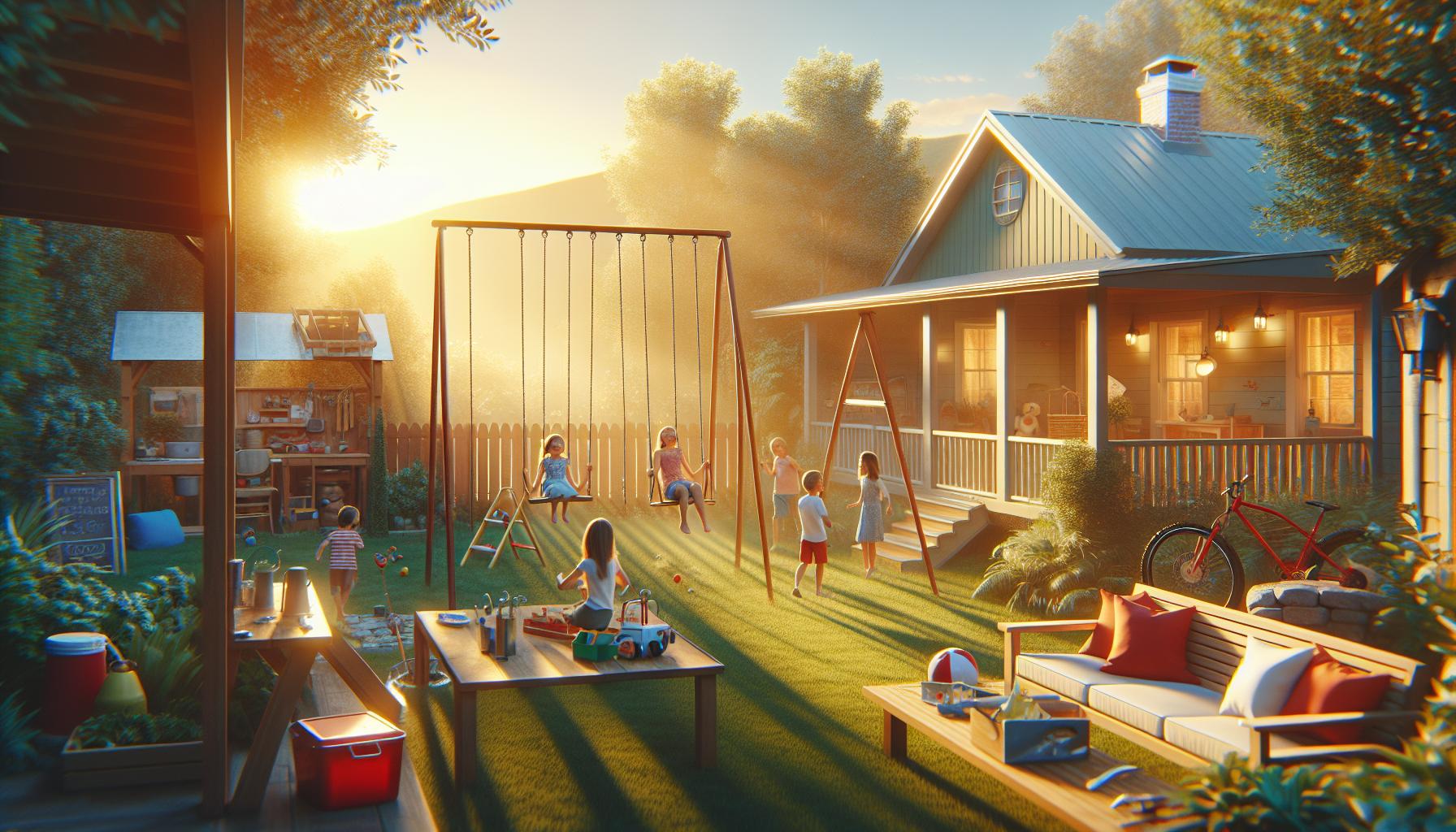
The Evolution of Swings: From Ancient Times to Today
Imagine standing in a sun-dappled park, the joyful laughter of children swirling around you as they swing back and forth. Swings have a timeless appeal, evoking memories of carefree days and simple pleasures. But have you ever wondered how this beloved playground staple transformed from rudimentary beginnings to the vibrant, safe, and engaging structures we see today? The journey of the swing is as fascinating as it is rich, revealing not only our historical relationship with play but also how innovation shapes our outdoor experiences.
Swings trace their roots back to ancient civilizations, where simple methods of suspension were used for recreation and practicality. Archaeological evidence suggests that swings existed as far back as 500 B.C. in areas like ancient Greece, where swinging was not only a popular pastime for children but also a form of leisure for adults. Typically constructed from sturdy branches and ropes, early swings provided a thrilling way to experience the sensation of flight. Notably, in ancient China, swings were often hung from trees, serving both decorative and functional purposes during festivals.
As time progressed, the design of swings evolved, particularly during the industrial age when materials such as iron and wood became widely used. The introduction of the modern swing set in the 1920s marked a pivotal shift, where the focus began to emphasize safety and accessibility, laying the groundwork for the playground structures we know today. Unlike their ancient predecessors, contemporary swings are meticulously engineered, featuring sturdy frames and soft seats designed to withstand vigorous play while ensuring user safety.
When setting up swings in your own yard, consider a few key aspects to enhance enjoyment and safety. Aim for a spacious area, allowing ample room for swinging without the risk of collisions. Ensure the swing set is securely anchored, preferably on a soft surface like grass or mulch-this not only provides a cushion for falls but also ensures longevity against wear and tear. Adding seat belts for younger children can provide an extra layer of safety, fostering peace of mind for parents as kids revel in the joy of swinging.
Embrace the legacy of swings as you curate your outdoor spaces. By blending historical charm with modern safety standards, you can create a delightful environment for children to explore the joy of swinging while savoring a slice of history. Whether you’re installing a simple backyard swing or designing an elaborate play area, remember that every swing tells a story-one of joyful exploration, connection, and the simple magic of play.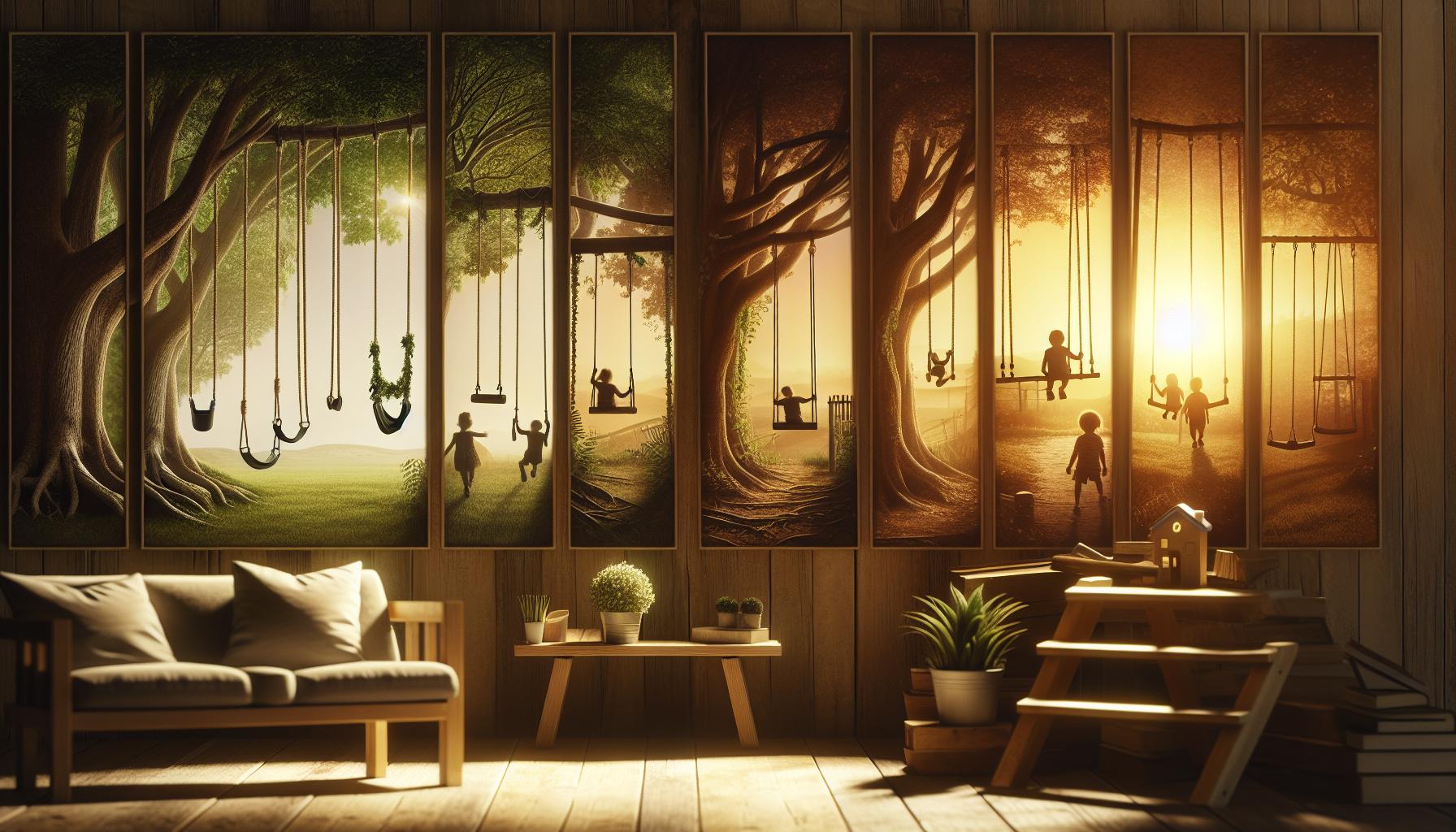
Types of Swings: A Guide for Outdoor Enthusiasts
Imagine a sunny day, laughter echoing in the air, as children sway through the sky on their favorite swing. Swings are not just an integral part of playgrounds; they come in various styles, each crafted to offer unique experiences and accommodate different spaces and users. Whether you’re looking to create a serene sanctuary in your yard or an adventurous playground, understanding the different types of swings can help you make an informed choice and elevate your outdoor space.
Types of Swings
- Traditionally Framed Swings: These wooden or metal swings are the classic playground fixtures, available in single or multiple seat configurations. Ideal for public parks or spacious backyards, they promote social interaction and can accommodate various age groups.
- Hammock Swings: A perfect blend of style and comfort, hammock swings are an excellent addition to your outdoor relaxation oasis. They come in single or double styles and offer a gentle rocking motion that can help with decompression after a long day.
- Bucket Swings: Specifically designed for younger children, bucket swings provide a secure seating option with higher sides to prevent accidents. This type promotes independence and allows even the tiniest tots to get in on the swinging fun.
- Disc Swings: Great for kids who love adventure, disc swings allow for a more dynamic swinging experience. They can spin and sway, adding an exciting twist to standard swinging. Many disc swings can be hung from trees or other sturdy structures.
- Glider Swings: Ideal for older kids or adults, glider swings enable side-by-side seating and encourage teamwork as users propel each other back and forth. These swings are excellent for creating a bonding experience among friends and family.
Understanding the variety of swings available is key to crafting an inviting outdoor atmosphere. Selecting the right type that fits your space and meets safety standards can enhance physical activity, nurture social interactions, and foster creativity. As you embark on your swing selection journey, consider factors such as the intended user age, available space, and the desired aesthetic of your outdoor retreat. Each type of swing offers distinct benefits that can cater to the unique needs of your family. Balancing fun with safety will ensure that swinging becomes a cherished part of your outdoor adventures for years to come.
Safety First: Essential Swing Set Safety Tips
Swing sets can bring endless joy to children, igniting their imaginations while providing opportunities for physical activity. However, along with fun comes the responsibility of ensuring a safe play environment. When setting up or using a swing set, prioritizing safety is paramount to creating a delightful outdoor experience for the whole family.
Regular maintenance is key. Check swing seats, chains, and attachments to ensure they are secure and free of wear or damage. A well-loved swing set might show signs of wear, but ensuring that things like the wood or metal are intact can prevent accidents. Additionally, inspecting the surrounding area for hazards- such as sharp objects or uneven ground-creates a safer play zone. Clear the ground of debris, and consider using a soft landing surface such as mulch, rubber mats, or grass to cushion falls.
When it comes to usage, supervision is essential. Always keep an eye on children when they’re playing on or around the swing set. Establishing rules, like taking turns or not pushing others, can teach kids safety and responsibility while they revel in their outdoor play. Encourage children to be mindful of their surroundings and avoid swinging too close to each other or structures, fences, or even trees.
Lastly, age-appropriate swings are crucial for safety. Ensure that children are using swings designed for their specific age group and size. For younger children, consider infant seats or bucket swings that provide extra support, while older children might be ready for traditional swings. This not only promotes safety but also enhances the enjoyment and confidence of each child as they explore their swinging abilities.
By giving attention to these safety measures, families can ensure that their outdoor spaces remain a hub of fun and creativity, fostering a love for outside play while keeping every little adventurer safe and sound.
The Joy of Swinging: Benefits for Kids and Adults
There’s something truly magical about the sensation of soaring through the air on a swing-a feeling that transcends age and ability. Swinging isn’t just a playful pastime for children; it’s a joyous activity that brings a multitude of benefits for both kids and adults alike. It can evoke childhood memories, infuse moments with laughter, and even serve as a therapeutic escape. Whether you’re pushing your child on a swing or taking a moment for yourself on the playground, the experience is enriching in so many ways.
Physical Benefits
Swinging engages various muscle groups, promoting physical health and coordination. For children, it enhances core strength and balance, essential building blocks for their development. Kids are naturally drawn to swings, encouraging movement and play, which helps combat sedentary lifestyles. For adults, swinging offers a low-impact workout that can improve flexibility and cardiovascular health, making it a fun alternative to more conventional exercise routines.
Mental and Emotional Well-being
The act of swinging can be incredibly soothing. As children swing, they experience a sense of freedom and thrill, which can aid in emotional regulation and reduce anxieties. This potent sensory input helps develop their vestibular system, crucial for spatial awareness, balance, and coordination. For adults, the rhythmic motion can bring about relaxation, encouraging mindfulness and a reprieve from daily stress. It’s akin to a mini-vacation; a few minutes spent swinging can refresh your mind, lift your spirits, and connect you to a simpler time.
Social Interaction
Swinging creates an inviting space for bonding and socialization. Children instinctively engage with their peers while swinging, sharing laughs and creating a spirited atmosphere. Adults, too, can foster relationships by joining in the fun; whether initiating a light-hearted competition on who can swing the highest or simply enjoying the moment together, these shared experiences enhance community and family ties.
Additionally, the shared challenge of swinging offers a unique opportunity for valuable lessons on patience, encouragement, and support, which can benefit relationships in a profound way. So, gather your family, head to a local park, or set up a swing in your backyard, and let the joy of swinging elevate your outdoor experiences! Creating these spaces not only nurtures connections but also infuses your surroundings with laughter and adventure, ensuring that swinging remains a cherished activity for generations to come.
Creating the Perfect Swing Area in Your Backyard
Transforming your backyard into the ultimate swinging oasis can provide endless hours of joy, laughter, and bonding for your family. Imagine the sound of your kids giggling as they take flight on a swing, the slight breeze cooling them off on a warm summer day-all thanks to your thoughtful design and attention to detail. A well-planned swing area not only encourages outdoor play but also enhances the beauty and functionality of your yard.
To start creating this dream space, consider the location of your swing set. Look for a flat, grassy area that is free from obstructions like tree branches or utility wires overhead. It’s essential to ensure there’s enough room for the swing to move freely; a good rule of thumb is to have at least 6 feet of clearance on either side and about 8 feet in front and behind the swing. Additionally, think about how the sun moves across your yard. While swings are best enjoyed in sunny spots, providing some shade-perhaps from a nearby tree or a colorful canopy-can keep your little ones cool and comfortable.
Safety is paramount in designing your swing area. When selecting the surface under your swing, consider materials that can soften falls, such as shredded rubber mulch, wood chips, or foam tiles. These surfaces absorb impact better than grass and can significantly reduce the risk of injury. Make sure to regularly inspect the surrounding area for hazards like sharp objects or debris that could pose a risk during playtime. Having a dedicated boundary, like a low fence or shrubs, can also help keep children in the play zone while providing a visual appeal to the landscape.
Designing the Swing Area
When it comes to the aesthetic aspect, think about incorporating elements that reflect your family’s style. Adding seating options such as benches or colorful outdoor cushions can create a cozy spot for parents to relax while supervising swinging adventures. Enhancing the area with decorative features like garden flags, potted plants, or even fairy lights can make the space inviting and magical, especially as the sun sets.
Finally, don’t forget to involve your children in the process! Ask them what colors they’d love for their swing or if they have a theme in mind-like a pirate ship or a fairy kingdom-which will make the swing area feel special and personal. By fostering a collaborative environment, you’ll not only create a delightful backyard retreat but also encourage your kids to embrace the joys of outdoor play, giving them memories that will linger long after they’ve outgrown the swings.
DIY Swing Projects: Get Creative with Your Designs
Swinging into creativity allows families to transform their outdoor spaces in remarkable ways, enhancing the joys of play and relaxation under the sun. Did you know that swings have been a staple of childhood fun since ancient times? With modern materials and tools, you can design and build swings that reflect your personal style while providing hours of enjoyment for every age group. Whether you’re looking for a simple DIY project or something more elaborate, there’s no limit to what you can create.
To get started, consider different swing styles that can match your backyard’s aesthetics. From classic wooden swings to chic rope swings, the design opportunities are endless. Here are some ideas to inspire you:
- Wooden Pallet Swing: Repurpose pallets to create a rustic yet sturdy swing. Sand them down for a smooth finish, hang them securely with thick rope, and you have an eye-catching focal point in your yard.
- Hammock Swing: For a laid-back vibe, a hammock swing provides a perfect reading nook or a cozy spot for lounging. Using durable fabric and strong suspension, you can hang it between two trees or create a frame.
- Pet Swing: Don’t forget your furry friends! A small swing designed for pets can bring joy to your pets while allowing them to feel included in family outdoor time.
- Creative Chair Swings: Have an old chair? Turn it into a swing! Just remove the legs, reinforce the seat, and add strong ropes to create a whimsical chair swing that doubles as garden art.
When embarking on these projects, safety should always be your top priority. Ensure that the materials are treated for outdoor use and that all parts, especially the hanging mechanisms, are robust enough to support the weight of the users. Having a clear understanding of how to properly secure the swing is essential. Countless families have enjoyed their swings while learning the importance of regular maintenance – checking for wear and tear on ropes and ensuring the structure remains sound.
To further promote an engaging space, consider adding a cozy seating area nearby with weather-resistant cushions, a picnic table, or a fire pit. This way, not only will you have a delightful swing experience, but your backyard can transform into the ultimate hub of family bonding and entertaining. Embrace your inner builder and let your creativity soar as you create custom swings that cater to your family’s unique interests and preferences!
Fun Facts About Swings: Surprising Tidbits for Fans
Did you know that swings have been delighting children and adults alike for thousands of years? Originally crafted from natural materials, the history of swings traces back to ancient civilizations, with wooden slabs and ropes being elegantly repurposed into fun and playful experiences. Today, swings have evolved significantly, but they continue to be a beloved staple in parks and backyards worldwide. Here are some fascinating facts that will enhance your appreciation for these quintessential outdoor playthings.
Swings Through the Ages
Swings are thought to have originated as early as 500 BC, with evidence found in historical texts from ancient Greece. They were not just for children, either! Adults used swings for leisure and relaxation, showcasing the universal appeal of this simple yet enjoyable activity. In fact, in many cultures, swings were used in celebrations and for ceremonial purposes, reflecting communal joy and connection.
The Science of Swinging
Swinging isn’t just about fun; it also incorporates elements of physics! The arc of a swing follows a path determined by gravitational force and momentum. When kids are swinging, they experience a sense of weightlessness at the peak of each swing, which is both exhilarating and provides great sensory stimulation. This dynamic movement has been shown to improve balance and coordination as well, making swings not only enjoyable but beneficial for physical development.
Creative Swing Designs
Swings are not limited to the traditional tree or metal frame setup. DIY enthusiasts can get creative with swing designs that suit any outdoor space.
- Platform Swings: These sturdy swings can accommodate multiple children and allow for fun group play. They can be made from plywood and hung securely with strong ropes or chains.
- Bucket Swings: Perfect for toddlers, bucket swings provide safety and security as little ones enjoy the swinging motion.
- Disc Swings: These circular swings allow for added freedom of movement and can be a fun challenge for older kids.
Experimenting with different materials and configurations not only enhances your yard but also invites family members to engage in creative outdoor play. Just remember to prioritize safety – ensure all swings are installed correctly and regularly checked for wear.
Swings represent more than just playground equipment; they are gateways to imaginative play, physical development, and even historical significance. As you consider adding or upgrading swings in your outdoor space, think about the myriad of possibilities they offer for joy and connection. Whether swaying gently in the breeze or soaring high, swings are an enduring symbol of childhood wonder and community spirit.
What Materials Are Best for Swing Construction?
When it comes to crafting the perfect swing for your outdoor space, the choice of materials can make a significant difference in both durability and enjoyment. Swings are not just for fun; they serve as a gathering spot for family and friends, a place of relaxation, and a canvas for creativity in your backyard. Whether you’re building a traditional wooden swing or opting for a more contemporary look, selecting the right material is crucial to ensure safety and longevity.
One of the most popular materials for swing construction is wood. It offers a classic aesthetic that seamlessly blends with nature and is inherently robust. When choosing wood, consider types like cedar, redwood, or pressure-treated pine. Cedar and redwood are naturally resistant to decay and insects, making them ideal for outdoor use. They not only provide stability but also age beautifully over time. Pressure-treated pine, while more affordable, requires regular maintenance to prevent rot and splinters. Ensure the wood is sanded smoothly to prevent any injuries.
For a more modern touch, metal swings made from galvanized steel or aluminum are excellent choices. They boast exceptional durability and require minimal maintenance compared to wood. Metal swings can withstand various weather conditions, making them perfect for year-round use. They often feature powder-coated finishes, adding a splash of color while preventing rust. Just be cautious of heat during sunny days, as metal can become hot to the touch.
Another emerging material is composite, which combines the best aspects of wood and plastic. Composite swings provide the aesthetic appeal of wood paired with the weather-resistant qualities of synthetic materials. They are resistant to fading, cracking, and rotting, ensuring that your swing remains vibrant and safe for years to come. Plus, composites require little upkeep, making them an enticing option for busy families.
When selecting materials, safety should always be a priority. Look for swings that meet safety standards, ensuring all components, from chains to mounts, are appropriately rated for weight and use. Remember to consider the weight limit specified by the manufacturer, and regularly inspect the swing for any wear and tear. Your outdoor space can transform into a delightful haven of joy and connection with the right materials and attention to safety. Whether you choose wood, metal, or composite, your swing will invite laughter and memories for years to come!
How to Choose the Right Swing for Your Family
Choosing the ideal swing for your family can feel like navigating a jungle of options, but understanding your specific needs can turn this task into an exciting adventure. Did you know that swings have been a beloved outdoor fixture since ancient times? From the humble rope swings of yore to today’s innovative designs, selecting the perfect swing can bring joy and create lasting memories for everyone in your household.
Begin by considering the age range and size of your family members. Different swings cater to various age groups, from infant swings designed with safety harnesses to traditional outdoor swings perfect for teens and adults. If you have a mix of ages, you might look into swing sets with adaptable features or multiple swing types. Families with smaller children may appreciate bucket swings that provide additional safety while allowing younger users to swing with confidence.
Safety Features
When evaluating options, prioritize swings with robust safety features. Look for swings made of high-quality materials like treated wood or powder-coated metals which not only enhance durability but also resist weather elements. Check for soft edges and secure fastenings, and ensure any fabric components are UV-protected to prevent fading. Don’t overlook the importance of a sturdy frame; a swing with a wide base can offer additional stability and minimize tipping risks.
Here are some additional safety tips to enhance your swinging experience:
- Set up a safe play area: Ensure that the ground beneath the swing features an impact-absorbing surface, such as wood chips, sand, or rubber mats.
- Regular maintenance: Frequently inspect the swing for signs of wear and tear, ensuring all components are functioning properly.
- Supervise play: Always keep an eye on young children while they enjoy swinging to preempt potential hazards.
Space and Installation
Another essential consideration is the available space for installation. Measure the area where you plan to place the swing, as well as the distance from trees, fences, or other structures to allow for safe swinging. If your yard is limited, consider compact swing options like a swing frame that can fit in tight spaces or a porch swing for a cozy, indoor-outdoor vibe. For a creative touch, you might even think about DIY swings made from repurposed materials, infusing your outdoor area with personal flair.
Making the right choice involves balancing fun with practicality, ensuring your family’s swing will be a source of happiness for years to come. By thoughtfully selecting a swing that caters to your family’s unique needs and space, you’re not only investing in a piece of outdoor equipment but also in countless joyful moments filled with laughter and connection.
Swinging Through History: Cultural Significance Across the World
Throughout centuries, swings have captivated people of all ages, evoking feelings of joy, freedom, and nostalgia. Did you know that in ancient civilizations, swings were not just for play but often served as symbolic representations of life’s cycles? For instance, in the 13th century, swings in various cultures were used in celebration of seasonal festivals, linking them closely to agricultural practices and societal rituals. Let’s dive deeper into the cultural significance of swings across the globe and draw inspiration for your outdoor space.
The Timeless Appeal of Swings
Swings have been crafted in numerous forms worldwide, reflecting local materials and cultural aesthetics. In many indigenous cultures, swings made of natural materials like leather or woven vines were common, often found hanging from trees. These swings represented an intrinsic connection to the earth and community values, as they were often used during social gatherings. Incorporating such learned traditions can add a meaningful touch to your outdoor spaces, making them not just areas for recreation, but nodes of connection to history and culture.
Swings in Global Festivals
Around the world, swings have distinct roles during various cultural festivities. In some Asian cultures, the “Swing Festival” is a revered event during which communities come together to celebrate swinging as a symbolic act of letting go of the past and inviting new beginnings. With this in mind, families can create their own unique traditions around swinging in their outdoor spaces. Consider organizing a “swing day” with games, stories, and laughter that pays homage to these rich cultural practices.
Designing Your Swing Space
As you contemplate adding a swing to your backyard, think not just about function, but also about a design that resonates with cultural significance. Here are a few tips for creating an inspiring swing area:
- Material Matters: Just as swings in history have varied in materials, so too should yours. Look for eco-friendly options or reclaimed wood to connect with sustainable practices.
- Incorporate Local Flora: Surround your swing with plants that have cultural significance in your region. This can enhance the aesthetic while creating a natural and inviting environment.
- Create an Ambiance: Add cultural decorative elements like textiles or artwork that honor the traditions of swinging in different societies. A colorful tapestry draped nearby can provide both beauty and a sense of peace.
As you embark on this exciting journey to add a swing to your outdoor space, remember that you’re not just building a physical structure. You’re weaving together history, culture, and family memories that can be enjoyed for years to come. The gentle sway of a swing holds the promise of connection-allow it to inspire you and your loved ones to engage in joyful play and meaningful conversations.
Swing-Inspired Activities: Games and Ideas for Outdoor Play
Did you know that swinging is not just about simple motion? It engages numerous muscles, enhances coordination, and sparks joy like few other activities can! When it comes to outdoor play, swings offer a captivating way to combine fun and fitness. By introducing swing-inspired activities, families can take the experience to new heights, ensuring that outdoor playtimes are rich with creativity and excitement.
Creative Swing Variations
Try reinventing the swing experience! Here are some ideas to engage children while enhancing the swinging experience:
- Tag-Team Swinging: Have a relay race where two kids swing back and forth, tagging each other at the highest point of the swing before switching places. This encourages teamwork and adds a competitive element.
- Swings and Storytelling: Create a storytelling circle where each child takes a turn to contribute a line to a story while swinging. This combines imagination with movement.
- Blind Swinging: For the brave-hearted, blindfold one player while they swing, and have other participants guide them verbally from the ground to enhance trust and communication skills.
Incorporating Games into Swing Time
To elevate the swinging fun, mix in games that can be played while swinging or just after taking a break! These can help enhance agility, balance, and creativity:
- SwingBall: Using soft balls, set up two swings facing each other and have participants pass the ball as they swing. It’s a fun way to work on hand-eye coordination while also enjoying the thrill of swinging.
- Color Call: Assign different colors to various objects in your yard. Call out a color, and kids must swing in pairs towards that object, fostering quick response and developing spatial awareness.
- Simon Says on Swings: Amalgamate the classic “Simon Says” game with swinging! Kids will enjoy the challenge of swinging while trying to follow commands like “hold your arms out” or “touch your toes.”
Safety First!
While creativity and fun are important, ensuring safety should always be a top priority. Here’s how to keep your swing time secure:
- Check Equipment Regularly: Routinely inspect swings, chains, and anchor points for wear and tear to prevent accidents.
- Safety Zones: Ensure there are no hard surfaces beneath and around swings; add ample soft grass, sand, or rubber mats for a safer landing.
- Supervision: Always supervise younger children during swinging activities to help prevent falls and ensure safe play.
By integrating these engaging activities, families can turn their backyard or local parks into vibrant hubs of fun and physical development, all while embracing the joy of swinging. There’s a world of possibilities waiting to be discovered-so grab the swings, gather the kids, and let the play begin!
Faq
Here’s an SEO-optimized FAQ section designed for the topic “When Was the Swing Invented? Fun Facts for Outdoor Enthusiasts.” This content aims to capture long-tail keywords, address user intent, and ensure it’s strategically aligned with featured snippet guidelines.
Q: When was the swing invented?
A: The swing has a long history, dating back to ancient Greece around 500 BC, where early versions were crafted from branches and ropes. Swings evolved throughout the centuries and are now a beloved fixture in parks and backyards worldwide.
Q: What are some interesting facts about the history of swings?
A: Swings have unique historical ties to various cultures. For instance, in the 17th century, swings were popular among European aristocracy for leisure. Additionally, swings made from different materials like wood and metal showed how practical and playful outdoor equipment could be, appealing to all ages.
Q: How can I make a DIY swing for my backyard?
A: To create a DIY swing, you’ll need sturdy ropes and a solid seat (such as a wooden plank). Ensure you attach the swing securely to strong branches or a swing frame. Always prioritize safety by checking for wear and tear. For a detailed guide, visit our section on DIY swings.
Q: Why are swings an important feature in playgrounds?
A: Swings promote physical development and coordination in children. They are also vital for social interaction, helping kids engage with peers. Moreover, swings can evoke a sense of freedom and joy, making outdoor playtime more enjoyable.
Q: Where can I find the best swings for outdoor use?
A: You can find high-quality swings at local home improvement stores or online retailers like Amazon. Look for swings made from durable materials and those that comply with safety standards. For recommendations, check our guide on selecting outdoor swings.
Q: What are the safety guidelines for using swings?
A: Always supervise children while playing on swings, and ensure the play area is soft (like sand or mulch) to cushion any falls. Check the swing regularly for wear, and avoid overcrowding to minimize injuries. For detailed safety tips, refer to our safety recommendations section.
Q: Can swings be used for all age groups?
A: Yes, swings can be adapted for all age groups! Infant swings provide safety for babies, while adult swings made from sturdy materials offer relaxation for grown-ups. Explore our fun facts about different swing types in our main article.
Q: What materials are commonly used to make swings?
A: Swings can be made from a variety of materials, including wood, plastic, and metal. Each material offers different benefits; for example, wooden swings blend well with nature, while metal swings are known for their durability. Discover more about swing materials in our detailed overview.
This FAQ section is crafted to provide clear, accessible answers that cater to users’ queries about swings, whether they’re interested in history, safety, or DIY projects. Each response encourages readers to explore more information while emphasizing engagement and safety in outdoor play.
The Way Forward
As we wrap up our exploration of when the swing was invented and the delightful facts surrounding this beloved outdoor activity, we hope you’re inspired to enhance your outdoor experiences. Swings not only bring joy to children but also create wonderful childhood memories for families. To keep the fun going, dive deeper into our articles on building your own swing set or outdoor game ideas for families.
Don’t let the fun stop here! Sign up for our newsletter to receive tips and tricks for crafting unforgettable outdoor spaces, or explore our safety guidelines for outdoor play to ensure everyone has a great time safely. Got questions or favorite swing memories? Share them in the comments below! Your stories could inspire fellow enthusiasts, and together we can create a community that celebrates the joys of outdoor play. Remember, each moment swinging brings you closer to nature-and happiness!