


Did you know that rock climbing can boost not just physical fitness, but also family bonding and mental resilience? If you’re looking for a fun, effective way to keep your loved ones active and engaged, building a DIY rock climbing wall in your backyard might just be the answer.
Picture this: an adventure hub right outside your home where kids can challenge themselves, learn teamwork, and develop new skills-all while having a blast. But where do you start? With the right guidance, creating a safe and exciting climbing space can be a fulfilling project for the entire family, regardless of your DIY experience level.
In this article, we’ll walk you through the essentials of designing and building your very own climbing wall, ensuring that safety is your top priority while inspiring creativity and fun. Get ready to transform your backyard into a thrilling landscape for adventure and growth!
DIY Rock Climbing Wall Basics for Your Backyard

Creating a DIY rock climbing wall in your backyard can transform a regular outdoor space into an exciting adventure zone for your family. Imagine the laughter and joy of your kids as they conquer different climbing routes, developing their physical abilities and confidence. More than just a fun project, a climbing wall encourages exercise, fosters teamwork, and strengthens family bonds. With the right planning and materials, building your own climbing wall is not only achievable but also an incredibly rewarding experience.
When designing your climbing wall, safety should be your top priority. Start by selecting a solid and level structure, such as a wooden frame, which can easily be anchored to the ground for stability. The key components to focus on include:
- Wood Selection: Use pressure-treated plywood or oriented strand board (OSB) for the climbing surface, ensuring that it can withstand weather exposure and wear.
- Hardware: Invest in quality climbing holds made from durable materials like polyurethane or rubber that resist fading and abrasion.
- Safety Padding: Add protective mats at the base of the wall and consider extra cushioning for climbing routes that may be high off the ground to minimize injury risks.
In terms of dimension, a smaller wall for young children could measure around 4 feet tall and 6 feet wide, while teens and adults might enjoy a challenge with heights of 8 to 12 feet. The angle of the wall also plays a significant role in difficulty-vertical walls are great for technical climbing, while overhangs provide more of a challenge.
When constructing your wall, break down the process into manageable steps. Here’s a simple guide:
Step-by-Step Construction
- Planning: Sketch your design, considering the space you have available. Include the height, width, and incline of the wall.
- Gathering Materials: Purchase all necessary materials, ensuring you account for additional holds and tools that you might require.
- Building: Assemble the frame, attach the plywood sheets securely, and mark the positions for your climbing holds based on your desired routes.
- Finishing Touches: Smooth rough edges, paint or seal the wood for protection, and install holds.
- Testing: Before letting your family use the wall, perform a thorough inspection to ensure everything is stable and secure.
Incorporating color-coded holds allows for tailored routes that cater to different skill levels, making it fun for everyone. You might establish easier routes for little ones while creating challenging sequences for older kids and adults-everyone in your family can participate and enjoy the excitement of climbing in their own way.
Finally, remember that creating a climbing wall isn’t just a one-and-done project-it’s an evolving space. You can regularly change holds and routes, keeping the adventure alive, and fostering a spirit of exploration in your backyard. With patience and creativity, your family’s climbing wall will not only serve as a fantastic place for physical activity but will also be a magical spot for adventures, memories, and learning together.
Choosing the Right Location for Your Climbing Wall
Finding the ideal spot for your climbing wall is crucial, not only for safety but also for ensuring it becomes a beloved family adventure hub. Did you know that the location can affect how often your family will use the wall? Choosing the right space transforms your backyard into a play zone, encouraging your kids to engage in physical activity while fostering their climbing skills. Here’s how to approach the decision with thoughtful consideration.
Firstly, consider the ground surface where your climbing wall will be installed. Ideally, you want a flat, stable area that minimizes the risk of falls. A grass patch can be a safe option, but adding a soft landing zone, such as a crash pad or foam mats, significantly increases safety during practice. Look for a space where children can climb with enough room to fall without hitting any hard surfaces or nearby obstacles.
The proximity to other structures is also an essential factor. Locate the wall away from fences, furniture, or other garden features that could pose a danger. Ensure there’s ample space around the climbing area so children can freely ascend and descend without interference. Trees can provide shade and enhance the aesthetic of your climbing wall but ensure branches are trimmed back to prevent any falling hazards.
One aspect often overlooked is the sunlight exposure. While some afternoon sun can be welcomed, especially in cooler months, too much heat during summertime can make climbing walls uncomfortable. Aim for a location that can benefit from the natural sun while also offering shaded areas, promoting comfort during long climbing sessions. Additionally, consider the wind direction; a wall that’s too exposed could be challenging on windy days, especially for younger climbers.
Finally, a fun and creative angle to explore is the integration of the climbing wall into a larger backyard play area. Perhaps you can design themed climbing routes inspired by mountains or structures in your favorite family vacations. Think about adding accessories like climbing holds that glow in the dark for evening challenges or decorative elements that tie in with nature. The ultimate goal is to create an environment that sparks excitement and encourages active play, making climbing an integral part of your family’s outdoor lifestyle.
By thoughtfully considering these factors when situating your wall, you’ll ensure a safe, engaging, and fun climbing experience that resonates with all family members, turning your backyard into the ultimate adventure paradise.
Essential Tools and Materials for DIY Climbing Walls
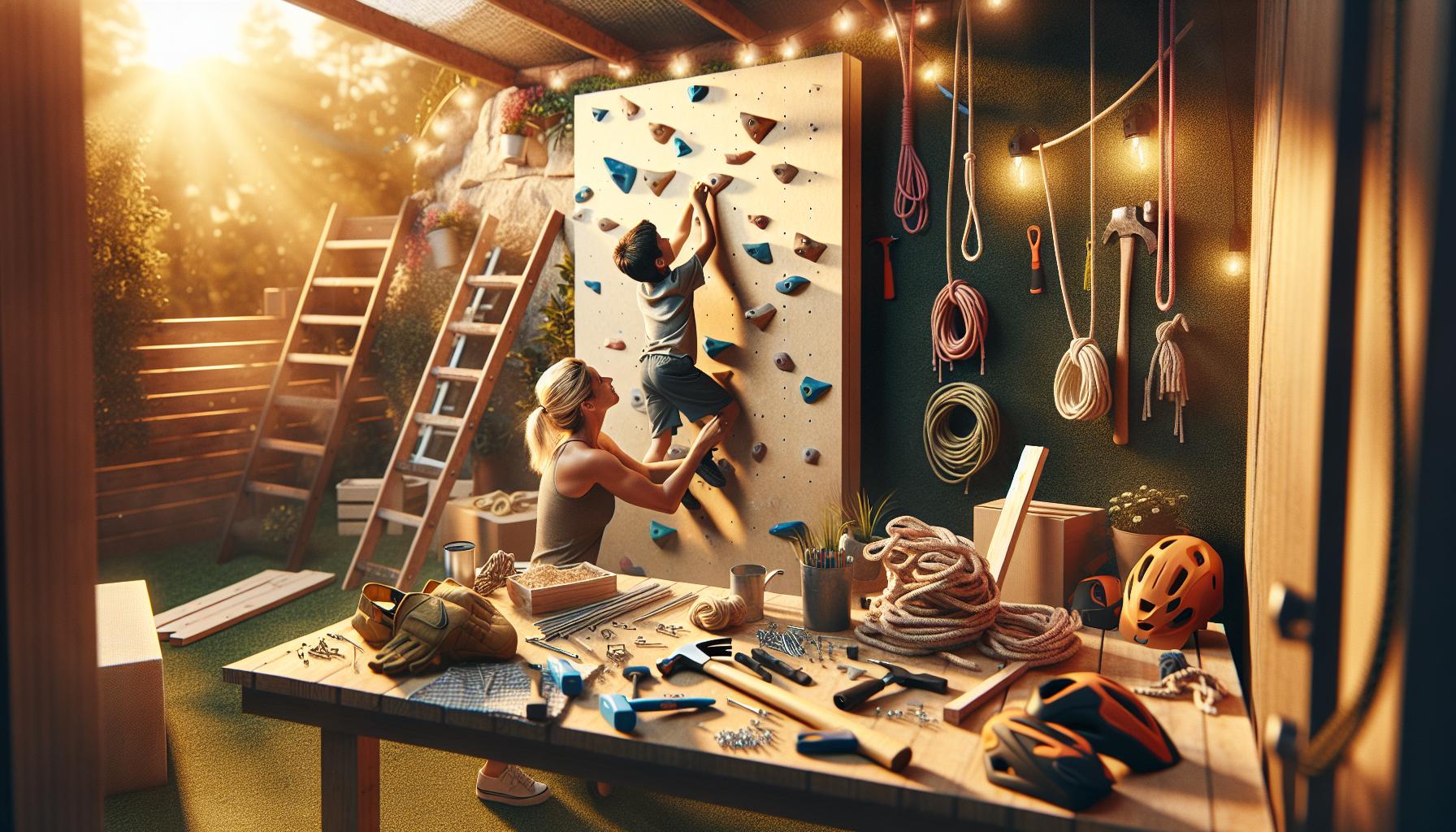
Creating a rock climbing wall in your backyard can transform your family’s outdoor time into an exciting adventure. To ensure your project is both safe and successful, having the right tools and materials at your disposal is essential. From foundational items to finishing touches, let’s explore what you’ll need to build a climbing wall that everyone can enjoy.
The foundational structure of your climbing wall is incredibly important, so start with the right materials. You’ll need pressure-treated plywood and lumber to withstand outdoor conditions and provide durability. Opt for ¾-inch thick plywood for the wall panels, which will create a sturdy surface for climbing holds. For the frame, 2×4 inch lumber is typically used, providing a strong and reliable framework.
It’s also vital to invest in a quality set of climbing holds. These come in many shapes, sizes, and textures, allowing for infinite route possibilities. Mix and match holds, from jugs for easier ascents to crimps for more advanced climbers. To secure them, you’ll need bolts and a drill with a suitable bit for both drilling into the plywood and securing the holds firmly.
Safety Gear and Footing
No climbing adventure is complete without safety considerations. Crash pads or thick padding at the base of your wall will help cushion any falls, making your climbing experience safer for kids and adults alike. Consider installing a soft material surface, such as mulch or rubber mats underneath your climbing wall for added safety and comfort.
Another pivotal aspect of creating a climbing wall is the tools you’ll require. Here’s a brief checklist to ensure you have everything you need:
- Measuring Tape: For accurate dimensions and spacing.
- Power Drill: Essential for installing holds and securing your frame.
- Saw: For cutting plywood and lumber to the desired sizes.
- Level: Ensures your wall is perfectly vertical.
- Wrench Set: Necessary for tightening and securing bolt hardware.
Creative Inspiration
When building your climbing wall, remember that aesthetics can be as important as function. Many families opt to add a splash of color by painting their walls. Use outdoor-safe paint to create fun designs or even a theme that reflects your family’s personality. You can create an adventure zone that feels like a mini rock climbing park right in your backyard!
To connect even deeper with nature, consider incorporating natural elements like a bouldering section using large rocks, which offers an engaging and textured climbing surface that blends with the outdoors. This not only diversifies your climbing experience but also helps children develop a sense of exploration and confidence.
With the right tools and materials combined with a sprinkle of creativity, building your backyard climbing wall can enhance family bonding and promote physical activity-all while instilling a love for the great outdoors. So gather your supplies and get ready to embark on a fun DIY adventure!
Step-by-Step Guide to Building a Climbing Wall
Building a climbing wall in your backyard is an exciting project that can transform your outdoor space into a hub of adventure and fitness for the whole family. Not only does it provide a fantastic way to encourage physical activity, but it also fosters teamwork and problem-solving skills among climbers. Whether you’re a seasoned DIYer or a beginner looking to create a fun-filled environment, crafting your own climbing wall can be a fulfilling experience. Here’s a step-by-step guide to get you started on this thrilling venture.
Gather Your Materials
Before you dive into building, you need to assemble the right materials. Here’s a basic list to kick off your project. Ensure you adjust quantities based on the size of your wall:
- Plywood panels (3/4 inch thick is recommended)
- Climbing holds (select a variety for differing difficulty levels)
- Wooden studs or a sturdy frame
- Bolts and hardware for securing holds
- Paint or texture coating (optional, for aesthetics or better grip)
- Screws and nails for assembly
Plan Your Design
Consider your climbing wall’s design and size based on the available space and your family’s climbing skill levels. A small wall might be 4 feet high and 8 feet wide, perfect for beginners and children. For more experienced climbers, you may want to aim higher or incorporate overhangs. Draw your design on paper, marking where the holds will go to help visualize the finished product.
Construct the Frame
Start by constructing the frame that will support the plywood. Use wooden studs to create a robust structure; make sure to attach your vertical studs to the top and bottom plates to form a rectangular shape. It’s crucial to use a level to ensure everything is straight and secure. You can secure the frame to the ground or a wall for added stability.
Add the Plywood and Holds
Once the frame is solid, attach your plywood panels using screws for a secure fit. This is where the fun begins-placing climbing holds! Decide on your holds’ arrangement before drilling; varying the height and spacing creates a more enjoyable climbing experience. For advanced fun, mix different types of holds, such as jugs, crimps, and slopers.
Finishing Touches and Safety
After installing the holds, consider painting your wall or adding texture for better grip. It’s also wise to implement safety measures such as a crash pad or soft landing area below your climbing zone. Remember to regularly inspect your wall and holds to ensure everything remains secure and in good condition.
With your DIY climbing wall complete, the adventures can begin! Climbing not only builds strength but also enhances coordination and confidence in children and adults alike, making it a fantastic addition to any backyard. Enjoy your climbing adventures and the wonderful memories to come!
Safety Considerations for Backyard Climbing Walls
Imagine a sunlit afternoon when laughter fills the air as your family embarks on a backyard climb. The thrill of reaching new heights can spark unforgettable memories, but safety must always be at the forefront of your adventure. Creating a backyard climbing wall can be a stellar addition to family fun, but ensuring a secure environment is paramount to keep everyone safe while they explore their adventurous side.
One of the first steps in your DIY climbing wall project is choosing the right materials. Opt for sturdy, durable wood, such as pressure-treated lumber or marine-grade plywood, which withstands weather variations. Also, consider the mounting hardware; it’ll need to support the weight and stress of enthusiastic climbers. Ensure that all holds are designed specifically for climbing and are fastened securely. Additionally, adhere to safety standards provided by climbing equipment manufacturers to ensure that your wall will withstand rigorous use.
Protective Grounding
Even the most cautious climbers may find themselves taking an occasional tumble. To mitigate injuries from falls, invest in proper cushioning for the ground beneath the climbing wall. Options include:
- Crush-resistant foam mats: Designed specifically for climbing, these mats provide excellent shock absorption.
- Wood chips or rubber mulch: These materials break falls effectively while creating a natural aesthetic.
- Sand: While not traditionally used, it can provide decent cushioning and is easy to find.
Aim for at least 6 inches of padding to properly absorb falls. Fluffy materials spread out too easily may offer less protection, so density is key.
Guiding Principles for Safe Climbing
Establishing clear climbing rules is essential for a fun and safe environment. Here are some guiding principles:
- Age-appropriate climbing: Create sections of the wall suitable for different age groups to ensure everyone has a safe climbing experience.
- Supervision: Always have an adult present when children are climbing to monitor and assist if needed.
- Climbing etiquette: Teach climbers to wait their turn and not to climb in a manner that endangers themselves or others.
Additionally, consider scheduling regular inspections of your climbing wall and its surroundings to assess for wear-and-tear, such as loose holds or deteriorating ground cushions. This routine not only enhances safety but also fosters a habit of careful assessment in your young climbers, ingraining a culture of awareness and consideration for their own safety and that of others.
Creating a backyard climbing wall is an exciting journey that can lead to countless adventures for your family. By prioritizing safety through thoughtful planning, the right materials, and clear guidelines, you can transform your backyard into a thrilling yet secure playground. Embrace your inner engineer with a heart geared toward fun, knowing that each climb brings you closer together!
Creative Wall Designs to Inspire Family Fun
Creating a rock climbing wall in your backyard not only enhances your outdoor space but also fosters family bonding and encourages physical activity. Imagine the excitement of having your very own climbing adventure right outside your door! Parents can instill a love of fitness in their children while enjoying quality time together. The design options for these climbing walls are virtually limitless, allowing you to tailor the experience to suit your family’s needs, skill levels, and tastes.
To draw in family members of all ages and abilities, consider incorporating vibrant colors and creative patterns into your wall’s design. Use brightly colored holds that can range from earthy hues to neon shades, creating an eye-catching visual impact that piques interest and encourages participation. You might also add themed elements-like a jungle adventure or outer space-to forge a playful atmosphere. Bright decals of trees or stars can enhance this theme, infusing an added layer of creativity and imagination into your climbing sessions.
Safety First
As you design your climbing wall, prioritizing safety is paramount. Ensuring a safe environment will encourage your family to engage confidently with the wall. Consider these essential safety elements:
- Padding: Use thick mats or crash pads beneath the climbing area to cushion falls.
- Height. Keep the wall low enough for children to climb without risking serious falls, ideally no higher than 8 to 10 feet depending on your family’s comfort level.
- Supervision: Always ensure there’s adult supervision during climbing sessions, especially for younger children.
- Proper Gear: Invest in climbing harnesses or helmets if your setup requires it, ensuring that your family has the right equipment which is properly fitted.
Engaging Climbing Challenges
Add to the excitement by creating various routes with different difficulty levels, allowing family members to progress at their own pace. Use meteorological elements; for example, a “rainy day” wall with textured holds that mimic raindrops can be incorporated or a “mountain peak” where climbers aim to touch the top features. This variation will keep the climbing experience fresh and intriguing, promoting repeated use and a friendly competition spirit.
Furthermore, hosting family events with climbing challenges or mini-competitions can transform climbing from a mere activity into memorable family bonding time. Celebrate achievements, whether they be completing an easy route or conquering a more challenging climb, with small rewards or ceremonies, turning accomplishments into cherished family memories.
By harnessing creativity and safety, your DIY rock climbing wall can become an incredible centerpiece for family adventure. The combination of physical challenge, imaginative design, and collaborative fun will ensure that your outdoor space not only inspires family fun but also nurtures a lifelong love of adventure and activity.
Incorporating Climbing Features for All Skill Levels
Creating a backyard rock climbing wall can be a thrilling family project that encourages physical activity, teamwork, and creativity. However, the challenge lies in designing climbing features that cater to all skill levels. Whether your youngest child is just starting out or your partner is an experienced climber, it’s essential to construct a wall that everyone can enjoy safely. With careful planning and a bit of imagination, you can build a climbing space that transforms your backyard into a family adventure zone.
Designing a Versatile Climbing Wall
Start by considering the layout of your climbing wall. A vertical wall is great for beginners, while overhangs or angled sections can provide a challenge for more advanced climbers. Opt for varied holds and surfaces to keep everyone engaged. For instance, you might include:
- Beginner Zones: Create sections with larger, easier holds spaced further apart, allowing novice climbers to find their footing without feeling intimidated.
- Intermediate Challenges: Add a mix of medium-sized holds that require some technique but are still accessible to newer climbers who want to push their limits.
- Advanced Features: Incorporate smaller, technical holds and even features like volumes or overhangs that challenge experienced climbers and allow them to showcase their skills.
Consider using materials like plywood covered with a textured surface for enhanced grip and safety. Additionally, modular holds can be rearranged as needed, allowing your climbing wall to evolve over time as skills improve.
Ensuring Safety for All Ages
Safety cannot be overstated when embarking on such a project, especially in a space meant for children and adventurous families. Begin by installing the wall with a sturdy base and ensuring all parts are securely fastened to handle the weight and force of climbing. Use crash pads or thick mats underneath the climbing sections to cushion any falls.
Introduce safety features tailored to varying ages and abilities:
- Height Considerations: Keep lower sections for kids or less experienced climbers, ensuring they can safely reach the ground in case of slips.
- Selective Footwear: Encourage proper climbing shoes, but also consider allowing climbing in athletic shoes for those just getting started. This flexibility can make everyone feel included.
- Supervised Climbing: Always supervise younger climbers and establish rules to keep the environment safe and encouraging, such as one-at-a-time climbing policies and designated spotters.
Fostering Engagement and Creativity
A rock climbing wall is not just about climbing; it can also be a canvas for creativity and imagination. Get the entire family involved in designing routes that play to different climbing techniques, such as the “Crack Climb” using fun shapes like a zigzag or ‘dino’ move for awesome silly styles. You could even host family challenges where members take turns coming up with new climbs or endurance competitions to spice up the fun.
To further enhance this experience, consider regular themed climbing days or mini-tournaments for friendly competitions. Not only will this foster a sense of teamwork and camaraderie, but it will also instill confidence in young climbers as they conquer the wall together.
By approaching your backyard climbing wall as a multifaceted space for enjoyment and learning, you can ensure that every member of the family feels included, safe, and excited to participate. Together, you will turn your backyard into a vibrant hub of adventure and growth, turning every climb into a cherished memory.
Maintenance Tips for a Long-Lasting Climbing Wall
To ensure that your backyard climbing wall remains a source of joy and adventure for years to come, it’s essential to embrace a routine of maintenance that keeps both safety and functionality in check. Just like any other outdoor structure, a climbing wall requires regular attention to detail to withstand the elements and the exuberant play of family members. By prioritizing maintenance, you not only prolong the life of your climbing wall but also enhance the safety of every climb, making your backyard a hub for adventure and fitness.
One of the first elements to check is the structural integrity of your climbing wall. Inspect all broad surfaces, including wood panels and frames, for signs of wear or damage, such as cracks, warping, or rot. If you notice any issues, address them immediately-perhaps reinforcing the frame with additional supports or replacing any compromised panels. Regularly check the anchors and holds as well; bolts should be tightened to prevent loosening, and holds should be inspected for wear, as repeated impact can lead to deterioration. Consider rotating the holds periodically to distribute wear and keep the climbing experience fresh and engaging for your family.
Cleaning and Weatherproofing
Keeping your climbing wall clean not only enhances its appearance but also contributes to safety. Dirt and grime can accumulate on holds, making them slippery and dangerous. A simple wash with mild soap and water, combined with a soft brush to scrub the holds, can restore their grip. For wooden structures, applying a weather-resistant sealant or paint can protect against moisture and UV damage, ensuring longevity. Consider reapplying this protective layer annually, especially in regions with intense weather variations.
Safety Checks and Equipment
An often-overlooked aspect of climbing wall maintenance is the safety equipment that compliments your setup. Regularly inspect and refresh safety mats or crash pads for any signs of wear, ensuring they are free from tears or dents that may compromise their effectiveness during a fall. Additionally, create a routine to check any nearby trees or structures for potential hazards, such as overhanging branches or loose debris that could become a safety risk during climbing sessions.
By implementing these straightforward maintenance tips, you empower your family to climb confidently and enjoy their backyard adventures thoroughly. Remember, a well-maintained climbing wall isn’t just a structure; it’s an invitation to explore new heights and create unforgettable memories together. Keeping your family safe and excited to engage with the climbing wall ensures that your outdoor adventure space remains vibrant and inspiring for years to come.
Engaging Climbing Activities for Family Bonding
Creating a climbing wall in your backyard is not only a fun project but also a fantastic way to strengthen family ties through shared physical activity and adventure. Imagine the laughter and excitement as family members encourage one another to reach new heights-both literally and figuratively. Climbing promotes teamwork, communication, and problem-solving, making it an ideal activity for families looking to bond while boosting physical fitness.
To ensure a fun and safe experience, consider innovative climbing activities designed for all skill levels. Whether you have young children or teens, everyone can participate actively. Here are some engaging ideas to help your family make the most out of your DIY rock climbing wall:
Fun and Safe Climbing Activities
- Obstacle Courses: Create a mini climbing course that incorporates various aspects of your wall. Use different holds, colors, and textures to signify specific paths or challenges. For example, one path could be designated for beginners while another could require more advanced climbing techniques!
- Timed Challenges: Set a timer and encourage family members to climb sections of the wall as quickly as possible. This can help develop a friendly competitive spirit while improving their climbing skills. Variations could include blindfolded climbs or using only one hand for added challenges!
- Cooperative Climbing: Pair up climbers to tackle sections of the wall together, using harnesses and safety gear. This encourages teamwork and communication as one person climbs while the other provides verbal support and guidance from the ground.
- Climbing Bingo: Create bingo cards with various climbing challenges-touch this color hold, climb down backward, or climb with only one foot. As family members complete challenges, they can mark them off their bingo cards until someone yells “Bingo!”
- Storytime Wall: Encourage imagination by integrating storytelling into your climbing sessions. Each family member can contribute to a story, with certain holds representing key plot points. Climbers can only advance by reaching the next hold that corresponds with the story, making it a creative and physical challenge!
Incorporating Safety and Fun
Safety should always be the top priority when engaging in climbing activities. Ensure everyone is equipped with proper climbing gear, such as helmets and harnesses. Additionally, set up soft landing areas with padding or crash mats underneath the climbing wall to cushion any falls.
Gather the family around to establish some ground rules prior to your climbing sessions. This ensures that everyone understands expectations regarding safety and encourages supportive cheering from the ground as climbers ascend. With this foundation, your DIY climbing wall becomes not just a space for adventure but a secure environment for unforgettable family bonding experiences.
Involving the entire family in these climbing activities will not only foster a deeper connection but also enhance physical health and confidence. Each climber, regardless of their skill level, can leave their mark on the wall-and in family memories. So grab your gear, lace up those climbing shoes, and get ready for an exhilarating time right in your own backyard!
Customizing Your Climbing Wall with Personal Touches
Imagine stepping into your backyard, greeted by a colorful climbing wall that not only sparks joy but also stirs excitement for countless family adventures. Customizing your climbing wall is a fantastic opportunity to turn it into a unique masterpiece that reflects your family’s personality and climbing aspirations while enhancing safety, functionality, and aesthetic appeal.
Start by considering the design and color scheme. You might decide to paint your climbing holds in vibrant hues that complement the landscape or even create a themed wall that inspires storytelling during climbs. For example, you could opt for earthy tones to blend with natural surroundings or bright, bold colors that catch the eye and motivate climbers of all skill levels. Additionally, incorporating stencils or decals can add flair without much added effort. Ideas include animal prints, mountain silhouettes, or your family crest, creating a personal connection to your climbing space.
Next, think about the variety of climbing holds and their placement. Mixing different shapes, sizes, and textures not only benefits climbers by developing strength and technique, but it also adds visual interest. Consider setting holds in creative patterns-like spirals or zigzags-to make each climbing session a new exploration. Don’t hesitate to experiment with placements on various angles of the wall to simulate different climbing grades.
Safety Comes First
Customizing your wall isn’t just about aesthetics; it also involves crucial safety considerations. Ensure that your holds are securely installed and regularly checked for wear and tear. Padding the area underneath the wall with mats or gravel can significantly reduce the impact in case of falls, providing peace of mind for parents to let their children climb freely.
- Mats: Opt for thick, durable mats that can absorb shocks effectively.
- Safety Harnesses: For beginners or younger climbers, consider using a harness and rope system to promote safe climbing practices.
- Spotting: Teach your kids the importance of having a “spotter” when climbing to ensure they’re aware of potential falls.
Finally, don’t forget the element of fun. Install a chalkboard or whiteboard near the wall where family members can jot down high scores or personal records, making it a space not only for physical activity but also for friendly competition and encouragement. Consider adding features like a bell to ring at the top or a small camera setup to record climbs for future analysis or just to capture those precious moments of achievement.
By infusing personal touches and thoughtful designs into your climbing wall project, you’re creating not just a structure for activity but a cherished space for family bonding and lasting memories. So roll up your sleeves, gather your loved ones, and set the stage for family adventures that will energize your backyard for years to come!
Transforming Your Backyard into an Adventure Zone
Transforming a mundane outdoor space into a vibrant adventure zone can be as simple as looking to the vertical world of rock climbing. Imagine the thrill of turning your backyard into a dynamic playground, where the entire family can embrace the joy of climbing right at home. Not only does this promote physical activity, but it also fosters teamwork and boosts confidence as everyone learns to tackle challenges, from novice climbers to seasoned enthusiasts.
To kickstart your backyard transformation, consider the following elements that can enhance your climbing wall experience:
Essential Elements for Your DIY Climbing Wall
- Location: Choose a sturdy wall or create a dedicated space where a climbing structure can safely integrate with your backyard. Ensure that it’s away from hazards like trees or fences. A southeast-facing wall often provides ample sunlight, making it a comfortable climbing spot year-round.
- Materials: Scout for durable materials, such as plywood or OSB board, reinforced with treated wood. A solid frame is paramount for safety and longevity. Climbing holds come in a variety of types and sizes, so choose a mix that suits all skill levels-this keeps it engaging for everyone.
- Safety Features: Invest in a high-quality crash pad or build a soft landing area with mulch, grass, or sand to cushion any falls. Proper padding not only boosts safety but also promotes more daring climbing attempts for your adventurous loved ones.
- Design: Get creative! Shape your wall to include various angles and even overhangs, turning your backyard into a mini climbing gym. Incorporate color or theme to personalize the space, making it inviting and exciting for both children and adults.
Engaging Activities for Family Bonding
To elevate your outdoor adventure zone, consider incorporating climbing games and themed challenges. You could host friendly competitions where family members race to scale the wall or create obstacle courses that combine climbing with other activities like rope swinging or balance beams.
Additionally, organizing a weekly ‘climb night’ can help establish a routine that encourages everyone to participate regularly. During these sessions, take the time to teach proper climbing techniques and safety measures, instilling a sense of responsibility and awareness about the sport. Encourage all ages to take turns, share tips, and celebrate each other’s achievements, fostering camaraderie and making precious memories.
When planning your adventure zone, remember that safety and fun go hand in hand. Always supervise younger climbers, encourage the use of helmets, and provide ongoing education about safe climbing practices. By transforming your backyard into an engaging climbing atmosphere, you create a unique and exhilarating space where family adventures take center stage, paving the way for new experiences and shared joy.
Tips for Maintaining Safety During Climbing Sessions
Creating a rock climbing wall in your backyard is an exhilarating venture that can transform an ordinary space into a thrilling family adventure. However, along with the excitement of scaling new heights, it’s essential to prioritize safety during climbing sessions to ensure that everyone, from young children to adults, can enjoy the experience without worries.
Preparation is Key
Before you even strap on your climbing shoes, it’s vital to conduct a thorough assessment of your climbing environment. Check the wall’s structural integrity, ensuring that it can withstand the weight and force of climbers. Securely anchor holds and check for wear and tear regularly. Surrounding your wall with soft materials, such as mats or sand, creates a safe landing zone that can significantly reduce the risk of injury during falls. Additionally, establishing clear zones where onlookers can safely observe the climbers can prevent unnecessary accidents.
Establish Safety Protocols
Setting up rules for climbing can help create a safer experience for everyone. Here are a few essential guidelines to consider:
- Always use proper gear: Make sure everyone wears helmets and climbing shoes designed for safety and performance.
- Buddy system: Encourage climbers to pair up, providing mutual support and a watchful eye, which is especially important for children.
- Pre-climb warm-up: Engage in light stretching and warm-up exercises to prepare muscles and reduce injury risk.
- Designate a spotter: A spotter’s role is to stay close to the climber, helping guide them and assist in case of falls.
Make Education Fun
Incorporating safety education into your climbing sessions not only prepares participants for the adventure ahead but also makes learning enjoyable! Consider organizing mini-safety workshops before climbing, where family members can practice knot tying, belaying techniques, and communication skills during climbs. Engaging children in these activities fosters a culture of safety and teamwork, ensuring they understand the importance of vigilance while climbing.
Monitor Conditions
Weather can significantly impact safety on your backyard climbing wall. Always check for current conditions before climbing. Wet or icy surfaces can lead to slips, while extreme heat can increase the risk of heat exhaustion. Setting a family up for success might also mean choosing the right time of day for climbing; early morning or late afternoon can offer cooler temperatures and more pleasant climbing conditions.
By integrating these safety measures and maintaining an encouraging atmosphere, you create not only a fun climbing environment but also a secure place for family bonding. Let the thrill of climbing inspire unforgettable moments while ensuring that everyone practices safety first-because adventure is best enjoyed when it’s conducted responsibly!
Frequently asked questions
Q: How can I build a rock climbing wall in my backyard?
A: To build a rock climbing wall in your backyard, first, choose a suitable location and design your wall’s dimensions. Use pressure-treated plywood and construct a sturdy frame. Secure climbing holds and use safety mats beneath the wall to cushion falls. For a detailed guide, check our DIY construction section.
Q: What materials do I need for a DIY backyard climbing wall?
A: Essential materials for a DIY backyard climbing wall include pressure-treated plywood, 2×4 or 4×4 lumber for the frame, climbing holds, screws, and safety mats. Optional items include paint or weatherproofing for durability. Visit our materials list section for specific recommendations.
Q: Is it safe to have a climbing wall in the backyard for kids?
A: Yes, a backyard climbing wall can be safe for kids when properly constructed. Ensure it’s built with quality materials, installed securely, and includes padded safety mats. Regularly inspect the wall for damage. For safety tips and guidelines, refer to our safety measures section.
Q: What are some design ideas for a family-friendly climbing wall?
A: Family-friendly climbing wall designs can include varying heights, multiple difficulty levels, and colorful holds. Incorporate fun themes like jungle or space. Consider adding a bouldering area as well. Check our creative design inspirations section for more ideas to enhance your project.
Q: How much does it cost to build a climbing wall in your backyard?
A: The cost to build a backyard climbing wall typically ranges from $500 to $1,500, depending on the materials and size. Budget for lumber, holds, and safety equipment. For cost-saving tips and a breakdown, see our budgeting for DIY sections.
Q: What are common mistakes to avoid when building a climbing wall?
A: Common mistakes when building a climbing wall include insufficient structural support, inadequate safety measures, and poor placement of climbing holds. Always double-check your design, assess the wall’s stability, and follow safety protocols. For a complete troubleshooting guide, see our FAQs on project errors.
Q: How can I maintain my backyard rock climbing wall?
A: To maintain your backyard rock climbing wall, regularly inspect for wear and tear, tighten any loose holds, and clean the surface to prevent slippage. Repaint or weatherproof wood as needed. For a maintenance checklist, refer to our wall care section.
Q: Are there any insurance considerations for a DIY climbing wall?
A: Yes, it’s important to consider insurance when building a DIY climbing wall. Verify your homeowner’s policy covers recreational structures and liability. Inform your insurer about the wall to ensure proper coverage. For more on safety and legal aspects, consult our insurance recommendations.
Final Thoughts
As you embark on building your own DIY rock climbing wall, remember that enhancing family adventure is just the beginning! By creating a backyard climbing space, you’re not only encouraging physical activity but also fostering teamwork, problem-solving, and unforgettable memories. Don’t let hesitation or uncertainty hold you back; your dream of a fun-filled outdoor space is within reach!
Ready to take the plunge? Dive into our related articles like “Top Safety Tips for Backyard Climbing” and “Essential Tools for DIY Projects” for expert insights and step-by-step guidance. Sign up for our newsletter to stay updated with the latest climbing tips and DIY inspiration-it’s your all-access pass to transforming your backyard into a playground of challenges and thrills.
Join our community in the comments below; we’d love to hear about your climbing wall journey and any questions you may have! Remember, every adventure begins with that first step, so let’s get climbing today!


