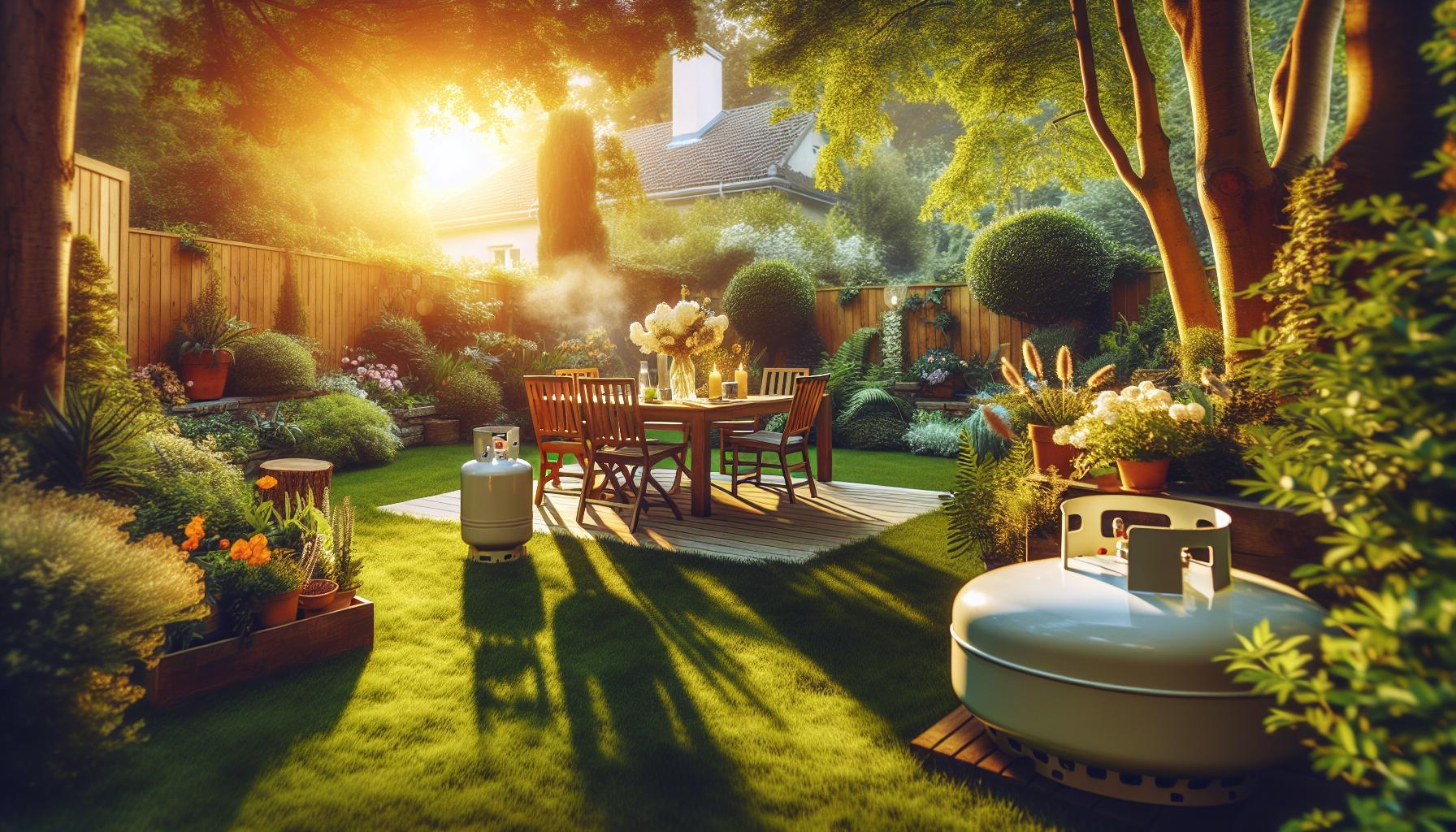
Transforming the look of your outdoor space becomes essential when you find an unsightly propane tank disrupting your landscape. The good news is that you can achieve both aesthetic appeal and functionality by strategically planting the right greenery. Selecting the best plants to hide your propane tank not only conceals it but also enhances your yard’s beauty and gives it a more cohesive look.
Imagine stepping into your backyard and being greeted by vibrant flora instead of an industrial eyesore. Whether you’re looking to create a lush garden atmosphere or simply want to maintain a tidy appearance, integrating thoughtful landscaping can elevate your property’s overall charm. In this article, we’ll explore a variety of plants that can effectively disguise your propane tank, allowing your home’s exterior to shine while ensuring safety and accessibility for your family. Dive in to discover how to blend practicality with natural beauty!
Best Plants for Covering Your Propane Tank

Transforming your outdoor space can be a delightful project, especially when it involves adding lush greenery to obscure unsightly elements like propane tanks. Not only does this enhance the visual appeal of your yard, but it also contributes to the overall harmony of your landscape design. When thoughtfully selected, the right plants can provide a natural disguise for your propane tank while adding beauty and character to your garden.
To effectively conceal a propane tank, consider using a variety of plants that are not only aesthetically pleasing but also suitable for your local climate. Here is a selection of ideal candidates for this greenery challenge:
Recommended Plants
- Japanese Privet – This robust shrub grows up to 10-12 feet tall, making it an excellent choice for creating a natural screen. Its dense foliage provides year-round coverage and can be easily shaped to suit your design needs.
- Boxwood – Known for its evergreen nature, boxwood tolerates trimming very well, allowing for tailored hedges around your tank. They can add a classic touch while ensuring that the propane tank remains hidden.
- Hibiscus – With its vibrant flowers and large leaves, hibiscus not only distracts the eye from the tank but also bursts forth with color during the blooming season, making your outdoor space look alive.
- Arborvitae – These tall, evergreen trees provide a natural barrier and are particularly effective for taller propane tanks. They are low maintenance and can thrive well in most soil types.
- Ferns – Ferns such as the Japanesefers or Lady fern can thrive in shaded areas, offering a soft, feathery look, which can beautifully contrast with hard surfaces and machinery.
When planting around your propane tank, ensure you maintain easy access for safety and maintenance. It’s essential to check local regulations regarding the distance plants must be from gas appliances to avoid any hazards. Integrating these plants not only helps mask the propane tank but also enriches your yard’s ecosystem, providing habitats for local wildlife and enhancing your outdoor experience.
As you nurture these plants, enjoy watching your outdoor space transform into a serene retreat that echoes your personal style while cleverly concealing utilitarian components in the garden!
Understanding the Importance of Camouflage
Creating an inviting outdoor space often involves thoughtful design choices that not only enhance aesthetics but also obscure less attractive elements like propane tanks. This is where the art of disguise through strategic planting comes into play. Utilizing plants to camouflage your propane tank not only improves the visual appeal of your yard but also serves to protect the tank from harsh weather conditions and sun exposure, prolonging its durability. Think of vibrant greenery and colorful blooms as nature’s wonderful curtain, providing a backdrop that seamlessly incorporates functional utilities with beautiful landscapes.
When selecting the best plants for this purpose, consider a mix of shrubs, perennials, and annuals that not only thrive in your climate but also create a lush, layered look. For instance, tall ornamental grasses such as Miscanthus or Panicum can provide height and movement, while lower flowering perennials like daylilies or lavender can add color and texture right at the base. Another great combination could include evergreen shrubs for year-round coverage paired with seasonal flowers to create a dynamic, ever-changing visual tapestry.
- Deciduous Shrubs: Consider planting shrubs like hydrangeas or spirea that not only bloom beautifully but also provide excellent coverage during their growing season.
- Climbing Plants: Vines such as clematis or wisteria can be trained to grow on trellises, adding vertical interest and dense foliage around the tank.
- Ground Covers: Using ground covers like creeping thyme or sedum can fill in gaps and soften the landscape, making the area feel more cohesive.
Maintaining these plants is essential to ensure they continue to effectively disguise your propane tank. Regular pruning, watering, and the addition of mulch will keep the area lush and healthy. Furthermore, keep safety in mind: ensure that plants are not too close to the propane source and that they do not obstruct access for maintenance. By turning a functional necessity into a thriving garden feature, you create a safe, beautiful outdoor environment that your family can enjoy year-round. Transforming a utilitarian item into something aesthetically pleasing not only boosts curb appeal but also enriches the overall ambiance of your home.
Top Considerations for Plant Selection

Selecting the right plants to conceal your propane tank is not only an aesthetic choice but also a practical one that ensures safety and harmony in your landscape. When choosing foliage, consider the growth habits and sizes of the plants to ensure they can adequately screen your propane tank without causing any unforeseen problems. An innovative approach can make even an industrial element blend seamlessly into the natural beauty of your yard.
One of the key aspects to think about is the mature size of the plants. Choose varieties that won’t overshadow or overpower the space around them. Opt for bushy shrubs or tall perennials that can provide dense coverage while being mindful of how large they may grow in a few years. For example, flowering shrubs like hydrangeas or evergreens like boxwoods can offer visual interest as well as concealment. Select plants that naturally have a fuller shape to disguise the tank effectively while also contributing to a lush garden feel.
Consideration of plant maintenance is also crucial. Opt for low-maintenance varieties, if possible, to reduce the need for constant trimming or care. Plants such as lavender not only hide your propane tank but also add fragrance and attract pollinators with minimal upkeep. You might also want to think about layering your planting strategy. By placing shorter plants in the front, such as groundcover, and taller ones at the back, you create a visually appealing arrangement that can disguise your tank from multiple angles while enhancing the overall look of your yard.
Environmental Factors
Finally, pay attention to the environmental conditions of your garden, such as sunlight, water drainage, and soil type. Choose plants that are well-suited to your climate zone and can thrive in the conditions where your propane tank is located. Consider using native plants for both concealment and the ecological benefit of supporting local wildlife. Native varieties often have deeper root systems that help prevent soil erosion and can withstand local pests better than non-native species.
Combining these considerations will help you select plants that not only enhance your outdoor space but also contribute to the overall safety and functionality of your setup. With thoughtful plant selection, you can transform the utilitarian presence of your propane tank into an asset that beautifies your landscape.
Low-Maintenance Options for Busy Homeowners

Creating an inviting garden space doesn’t have to add to your already packed schedule. For homeowners juggling busy lifestyles, selecting plants that require minimal upkeep while effectively disguising propane tanks can transform your outdoor area into a serene retreat. Choosing the right greenery allows you to blend aesthetics with safety, ensuring that your propane tank is not only hidden but also surrounded by a beautiful, thriving landscape.
When considering low-maintenance options, evergreens and shrubs serve as fantastic choices. They provide year-round coverage and require little care once established. For instance, boxwood hedges are not only effective for concealment but also offer a classic, neat appearance. Their density makes them difficult to see through, providing an elegant screen for unsightly tanks. Similarly, junipers are hardy and drought-resistant, thriving in various conditions, making them ideal for homeowners who may forget to water occasionally.
Another excellent option is to incorporate ornamental grasses, such as blue fescue or feather reed grass. These plants not only provide a unique texture to your garden but also grow quickly to provide cover. They thrive in a range of soil types and are resistant to pests, which means less fuss for you as a busy homeowner. Planting these species in clumps can create a natural barrier that softens the look of a propane tank without demanding constant attention.
For those desiring a more vibrant touch, consider using flowering perennials that are also low-maintenance. Variants like daylilies and black-eyed Susans flourish with minimal care, offering pops of color while effectively camouflaging your propane tank. Incorporating these plants draws the eye away from the tank and adds life to your garden.
Here’s a brief summary of advantageous low-maintenance options:
| Plant Type | Benefits |
|---|---|
| Evergreens (e.g., Boxwood) | Dense coverage, year-round greenery, low upkeep. |
| Ornamental Grasses (e.g., Blue Fescue) | Unique textures, pest-resistant, drought-tolerant. |
| Flowering Perennials (e.g., Daylilies) | Colorful blooms, minimal care, effective camouflage. |
Choosing the right plants not only helps to hide your propane tank but also increases the beauty and enjoyment of your outdoor space. By investing in low-maintenance options, you can reclaim your weekends for relaxation or entertainment, knowing your garden will still look its best with the help of nature’s beauty. So, roll up your sleeves, select your favorites, and blend functionality with beauty in your garden oasis!
Colorful Flowering Plants for Visual Appeal
Creating a visually appealing yard can be a rewarding project, and using colorful flowering plants to conceal a propane tank is a fantastic way to blend functionality with beauty. Not only do these vibrant blooms distract from the tank’s industrial appearance, but they also bring life and color to your outdoor space. Imagine a lush garden filled with bright flowers that welcome guests and create a joyous atmosphere, all while cleverly hiding away an essential but unsightly utility.
When selecting flowering plants, consider those that thrive in your local climate and establish a bushy, dense profile to provide adequate cover. Here are some stunning options to consider:
- Daylilies: These resilient perennials bloom in an array of colors, including yellow, orange, pink, and purple. They require minimal maintenance and can grow in various soil types, making them a practical choice.
- Lavender: Known for its fragrant purple flowers, lavender adds both beauty and scent to your garden. It thrives in sunny spots and well-drained soil, attracting beneficial pollinators like bees and butterflies
- Hydrangeas: Offering large, globe-shaped flower clusters in shades of blue, pink, and white, hydrangeas are perfect for creating a soft, romantic look. They enjoy partial shade and can thrive in various soil conditions, which can help provide a lush backdrop around the propane tank.
- Coreopsis: This hardy perennial is known for its bright golden-yellow blooms, adding a cheerful pop of color. Coreopsis thrives in poor soils and attracts a variety of pollinators, enhancing the ecological balance of your garden.
In addition to these flowering options, consider incorporating ornamental grasses and foliage plants for added texture. Grassy plants like Miscanthus or Panicle Hydrangea can provide height and movement while softening the outline of your propane tank with their gentle swaying in the breeze.
Remember to design your planting layout with consideration for the growing needs of each plant. Be mindful of height, spread, and sunlight requirements, ensuring a harmonious blend that enhances the overall visual appeal. With a thoughtful selection of colorful flowering plants, your outdoor space can transform into an inviting oasis that successfully masks any unsightly elements while embracing the beauty of nature.
Evergreen Plants for Year-Round Coverage
When it comes to masking unsightly propane tanks, evergreen plants offer a fantastic solution for year-round coverage. Unlike seasonal plants that may leave your tank exposed during colder months, evergreens retain their lush foliage, maintaining a vibrant green backdrop regardless of the season. This not only enhances your yard’s aesthetics but also instills a sense of security by obscuring the propane tank from view.
Selecting the right evergreen species can create a harmonious balance in your outdoor space. Consider these popular choices:
- Boxwood: Known for its dense growth and versatility, boxwoods can be shaped into hedges or left as natural mounds to surround your propane tank effectively.
- Arborvitae: These tall, narrow evergreens work well in tight spaces and grow quickly, providing privacy and covering larger tanks with their thick foliage.
- Pine Trees: Various species of pine not only create a striking backdrop but also fill in spaces nicely as they mature, making them an excellent choice for long-term concealment.
- Juniper: Low-growing junipers are perfect for ground coverage and can cascade beautifully over structures, creating a natural barrier around your tank.
When planting, take care to space the plants appropriately, allowing for growth while ensuring they collectively create an effective screen. Regular trimming can help maintain the shape and density you desire. Apart from their functionality, evergreens contribute significantly to the landscape’s character, providing a beautiful and secure environment for your family while ensuring safety and accessibility to the propane tank.
By incorporating these lush green elements strategically around your propane tank, you can transform a functional necessity into a beautiful feature that blends seamlessly with your outdoor space. Enjoy creating a sanctuary in your backyard that prioritizes both safety and aesthetic appeal!
Vining Plants to Create Natural Screens
Transforming an unseemly propane tank into an aesthetically pleasing part of your landscape can be as simple as using vibrant vining plants. These green allies not only conceal unsightly features but also breathe life into your outdoor space with color and texture. Vines create a lush, natural screen that can soften hardscapes and integrate your tank seamlessly into the garden environment. Here are some excellent vining plants to consider for a stunning disguise while providing practical benefits like shade and privacy.
Benefits of Vining Plants
Vining plants are a top choice for hiding a propane tank because they grow quickly, often covering approaches and unsightly elements in no time. These plants can cover fences, arbors, or trellises, transforming harsh lines into soft, organic forms. Additionally, many vines produce beautiful flowers or have attractive foliage, making them not only functional but decorative as well. When selecting your vines, consider their growth habits and environmental needs to ensure compatibility with your garden’s space.
Top Vining Plants for Hiding Your Propane Tank
- Virginia Creeper: This hardy vine is renowned for its lush green foliage, which turns a stunning red in the fall. It’s fast-growing and easily trained to climb, offering a thick cover in just a season.
- Honeysuckle: Known for its fragrant flowers and nectar, honeysuckle can attract pollinators while providing a dense screen. It thrives in various conditions and can be pruned to maintain a desired shape.
- Trumpet Vine: With its large, tubular flowers that attract hummingbirds, this vine can create a beautiful focal point. It requires ample space due to its vigorous growth but quickly envelops structures, providing excellent cover.
- Climbing Hydrangea: This plant not only climbs walls and fences but also produces stunning clusters of white flowers in summer. It’s perfect for shaded areas and will drape beautifully over your propane tank.
Creating a Living Screen
When planting your selected vining plants, be mindful of a few important steps. First, ensure that the tank is accessible for any necessary maintenance. Choose a sturdy trellis or fence design if you want to guide the vines’ growth effectively. Mulching around the base of your plants will help retain moisture in the soil and suppress weeds, creating a healthier environment for your vines to thrive.
The use of vining plants not only masks your propane tank but also enhances the overall charm of your garden, transforming it into a serene retreat. By carefully selecting and nurturing your plants, you can create an inviting, beautiful atmosphere that your family and friends will enjoy for years to come!
Using Planters and Raised Beds Effectively
Creating a lush green environment around your outdoor space not only enhances aesthetics but can also cleverly conceal functional items like propane tanks. By utilizing planters and raised beds, you can achieve a beautiful disguise that integrates seamlessly with your garden. These gardening solutions provide flexible growing conditions while maximizing your planting area, making them the perfect choice for camouflaging less attractive elements in your yard.
When choosing the right plants for this purpose, consider a variety of greenery that offers both height and density. Tall ornamental grasses, such as Miscanthus sinensis, can create a strong visual barrier while adding texture. Additionally, flowering perennials like echinacea or black-eyed Susans can provide vibrant color, drawing the eye away from the propane tank. To create layers, incorporate low-growing ground covers like creeping thyme or sedum around the base of taller plants. This layered approach will ensure a full, lush appearance while effectively hiding any unsightly objects.
As you set up your planters and raised beds, keep in mind their placement relative to the propane tank. Position them close enough to provide coverage but far enough to comply with safety regulations regarding access for maintenance. It’s wise to opt for raised garden beds made from non-toxic materials, such as cedar or specially treated metals, to ensure plant safety. Additionally, ensure adequate drainage and soil quality to promote healthy plant growth, thereby increasing the likelihood of a thriving, green disguise.
Lastly, consider the seasonal interest of your plant choices. Mixing evergreens with deciduous varieties ensures that your outdoor space remains visually appealing year-round. This thoughtful selection not only enhances your garden’s beauty but also contributes to a stronger visual barrier against more utilitarian features like a propane tank. With these strategies in place, you’ll transform functionality into artistry, making your outdoor environment a place of enjoyment and beauty.
Layering Plants for Depth and Texture
Creating a lush, green landscape not only enhances the beauty of your home but also provides a charming disguise for unsightly features like a propane tank. By using layering techniques with various plants, you can achieve depth and texture that makes your outdoor spaces come alive. Layering is a propagation method where plants can grow roots along a stem while still attached to the parent plant, which can be an effective way to create fuller arrangements quickly without starting from seed. This approach allows you to create vibrant, multi-dimensional displays that soften the presence of your propane tank, turning it into a backdrop for your garden rather than an eyesore.
To get started, consider selecting a mix of heights, colors, and foliage types that will not only mask your tank but also add visual interest. For example, tall, flowing plants like ornamental grasses can provide height that draws the eye upward, while lower, dense foliage like hostas or ferns can create a lush carpet around the base. This contrast will not only disguise the tank but also create an inviting atmosphere. Additionally, using flowering plants like daylilies or black-eyed Susans can introduce pops of color, making your garden a delightful focal point throughout the seasons.
When layering your plants, think about placing the taller specimens in the back or center (depending on your viewing angle) and layering shorter plants in front. This arrangement not only enhances visibility but also allows for easier maintenance and access to your propane tank if needed. Ensure that there’s space between plants to enable air circulation and to prevent overcrowding, which can lead to disease. Mixing in ground covers, such as creeping thyme or ajuga, can further enhance the layering effect while stabilizing the soil and suppressing weeds.
Incorporating diverse textures can also bring your design to life. Combining smooth-leaved plants with those that have textured or variegated foliage can create a rich tapestry that delights the senses. Moreover, consider utilizing shrubs with varied growth habits-such as upright evergreens alongside spreading deciduous plants-for interest throughout the year. Always remember to select plants that are suited to your local climate conditions and soil type, ensuring your design thrives with minimal maintenance.
By thoughtfully layering plants around your propane tank, you can create a seamless integration of utility and beauty in your yard. With a little inspiration and care, your outdoor space can transform into a vibrant sanctuary that not only hides distractions but enhances your home’s charm.
Safety Tips When Hiding Your Propane Tank
When transforming your outdoor space, consider that hiding your propane tank with beautiful greenery can be an exciting project. However, safety cannot take a backseat. Properly concealing your propane tank while ensuring it remains accessible and compliant with safety regulations is crucial for peace of mind and functionality. Here are some key safety tips to consider as you go green in your backyard.
Accessibility is Key
Ensure that any plants or structures you use to disguise your propane tank allow for easy access for maintenance and refilling. You’ll want to avoid dense thickets or hard-to-navigate shrubs. Instead, choose low-maintenance plants and leave clear pathways to the tank. It’s essential to ensure that your service technician can quickly identify the tank’s location without needing to navigate around thick foliage.
Plant Selection Matters
Not all plants are created equal when it comes to safety and practical landscaping. Avoid using any plants that produce flammable debris or have a high resin content, such as pine or certain types of ornamental grasses. Instead, consider fire-resistant landscaping options like succulents or other drought-resistant plants that can maintain their beauty without contributing to fire risks.
Maintain Clear Zones
Establish a clear zone around your propane tank. According to safety guidelines, you should keep the immediate area free from any flammable materials, including dry leaves, mulch, or branches. A buffer of at least three feet around the tank allows for safe venting and access while preventing any potential fire hazards. Regularly check and maintain this zone, especially during dry seasons.
Ventilation is Essential
While it’s important to disguise your propane tank, remember that proper ventilation is crucial for safety. Avoid completely enclosing the tank in solid structures like wooden boxes or closed fences, which can trap heat and impede the tank’s venting capabilities. Instead, create a semi-open design with lattice or trellis-style plantings that allows air to circulate while still providing a visual barrier.
By implementing these safety tips and selecting plants wisely, you can not only enhance the beauty of your outdoor space but also prioritize the safety of everyone in your home. Keep your family and property safe while enjoying the modern amenities that propane provides!
Design Ideas for a Seamless Outdoor Look
Creating a seamless outdoor look while hiding a propane tank can be a delightful challenge that transforms your backyard into a tranquil oasis. Did you know that well-placed greenery not only conceals unsightly tanks but also enhances your garden’s aesthetic, creating a lush environment that invites relaxation? By incorporating the right plants, you can achieve a natural camouflage that marries functionality with beauty.
One effective approach is to select a variety of tall shrubs and perennial plants that can obscure your propane tank while adding texture and layers to your landscape. Consider using evergreen shrubs such as Boxwood or Holly, which provide year-round coverage and can be shaped to fit your desired height. Climbing vines like Creeping Jenny or Honeysuckle can also work wonders when trained on a trellis or fence, softening the appearance of the tank with cascading green foliage. Additionally, planting a mix of ornamental grasses adds movement and dimension; varieties like Blue Fescue or Feather Reed Grass can nicely frame the area.
Strategic Plant Placement
When it comes to placement, think about how plants can create a natural barrier around your propane tank. Position taller plants in the back to shield the tank from all angles, gradually using shorter plants in the front to maintain sightlines and visual interest. To further blend the tank into your landscape, arrange a few potted plants in front, utilizing varied heights and colors. This layering not only conceals but also creates an inviting focal point in your garden.
Use of Color and Texture
Don’t shy away from incorporating a burst of color. Flowers that bloom throughout the season can distract the eye from the tank’s presence. Perennials such as Echinacea or Black-eyed Susans provide vivid pops of color, while fragrant herbs like Lavender can invite sensory engagement. Furthermore, using textured foliage-from broad hostas to delicate ferns-will engage the eye and create a sense of depth around the propane tank area.
In summary, by thoughtfully selecting the right plants and positioning them strategically, you can create a cohesive outdoor space that not only disguises your propane tank but also elevates your garden’s overall appeal. Embrace these green solutions, and watch as your outdoor space transforms into an inviting retreat!
Creating a Family-Friendly Outdoor Space
Creating a warm and inviting outdoor space for the family can transform your backyard into a haven of fun and relaxation. One critical aspect many people overlook is how to cleverly conceal functional but unsightly elements like propane tanks. By incorporating beautiful greenery, you can turn these necessities into an attractive part of your landscape design that adds charm rather than detracts from it.
To achieve an effective disguise, consider planting a mix of low-maintenance, fast-growing shrubs and perennial flowers that will not only mask the propane tank but also enhance the overall aesthetic of your yard. Plants like boxwoods or rhododendrons are ideal because they provide dense foliage that can hide the tank year-round. Additionally, consider incorporating flowering plants such as daylilies or astilbes to add color and softness to the space. These plants are resilient and offer delightful blooms that can bring joy and a sense of vibrancy during the warmer months.
When planning your planting strategy, it’s essential to leave adequate space for accessing the propane tank in case of maintenance. Design your planting layout with layering in mind; use taller plants at the back and shorter ones in the front to create a gracious, flowing look that guides the eye naturally away from the tank. Utilizing decorative trellises or containers can also elevate your garden’s style while providing added functionality. If aesthetics are a priority, consider creating a visually appealing border using alternating heights and colors.
Remember, safety is paramount when working around propane tanks. Ensure that the plants selected are not only beautiful but also safe to plant near the tank, avoiding any that might require excessive pruning or have invasive root systems. By thoughtfully designing your space with family-friendly elements and focusing on effective concealment techniques, your outdoor oasis can be both functional and fabulous. This balance will not only spark creativity among the little ones but also allow for a tranquil space where the whole family can enjoy sunny afternoons together.
FAQ
Q: What are the best plants to hide a propane tank?
A: The best plants to hide a propane tank include tall ornamental grasses, evergreen shrubs, and flowering perennials. Consider using bamboo for height, Boxwood for year-round coverage, or hydrangeas for seasonal blooms. Make sure to choose plants that thrive in your climate and won’t obstruct access to the tank.
Q: How do I create a natural disguise for my propane tank with plants?
A: To create a natural disguise for your propane tank, plant tall and bushy greenery such as shrubs at the back, with lower-growing plants or colorful flowers in front. Space plants to allow for growth and ensure adequate ventilation for the tank. This combination provides both concealment and visual appeal.
Q: Can I use decorative fencing along with plants to conceal my propane tank?
A: Yes, using decorative fencing along with strategically placed plants can effectively conceal your propane tank. Choose a fence that complements your landscape, and fill the area with dense foliage or climbing plants to enhance the disguise further. Be sure the design allows for safe access.
Q: What are safe planting options around a propane tank?
A: Safe planting options around a propane tank include drought-resistant and non-flammable plants. Avoid using resinous species, like pines, close to the tank. Opt for succulents, ornamental grasses, or non-invasive perennials that don’t obstruct access or create fire hazards.
Q: How far should plants be from a propane tank?
A: Plants should be at least 3 feet away from a propane tank to ensure safety and accessibility. This distance allows for maintenance and emergency access while also providing a natural disguise for the tank. Always check local regulations regarding plant placement around gas lines.
Q: When is the best time to plant around my propane tank for optimal concealment?
A: The best time to plant around a propane tank is during spring or early fall when temperatures are mild and rainfall supports new growth. This timing promotes healthy root development, ensuring the plants can effectively mature and provide cover quickly.
Q: What maintenance is required for plants hiding a propane tank?
A: Regular maintenance for plants hiding a propane tank includes pruning, watering, and checking for pests. Keep plants tidy and well-maintained to ensure they provide adequate coverage without obstructing access. Seasonal mulching can help retain moisture and suppress weeds.
Q: Are there any plants to avoid when hiding a propane tank?
A: Yes, avoid planting highly flammable plants, like eucalyptus and certain conifers, near a propane tank. Also, steer clear of invasive plants that can overgrow and obstruct access. Ensuring safety by selecting appropriate species will help maintain a functional and attractive outdoor space.
Key Takeaways
Thank you for exploring the best plants to disguise your propane tank with beautiful greenery! By selecting the right plants, you can enhance your outdoor space’s aesthetics while ensuring safety and functionality. If you’re ready to take your garden to the next level, check out our guides on “Top Low-Maintenance Plants” and “Creative Landscaping Ideas” to find more inspiration for transforming your outdoor area.
Don’t forget to subscribe to our newsletter for tips on maximizing your garden’s potential and ensuring it remains a safe haven for your family. Have questions or suggestions? We’d love to hear from you in the comments! Remember, a stunning outdoor space is just a few plants away-let’s make your yard the envy of the neighborhood!