Imagine transforming your backyard into a thrilling adventure zone for your kids with a DIY slide! Not only do slides provide endless hours of fun, but they also encourage physical activity and social interaction among children. Creating your own slide is a rewarding project that combines creativity with hands-on building, allowing families to bond through a shared goal.
In this guide, we’ll walk you through how to make a slide that’s not only safe but also tailored to your space and child’s interests. Whether you’re looking to brighten up a small yard or create a grand play area, you’ll find valuable insights and step-by-step instructions that make crafting your slide an achievable and enjoyable endeavor. Get ready to unleash your inner builder and create a fun-filled outdoor space that your family will cherish for years to come!
Understanding the Benefits of a Backyard Slide
There’s something undeniably joyful about the sight of children gleefully zipping down a slide, their laughter echoing in the backyard as they anticipate another ride. A backyard slide isn’t just a piece of playground equipment; it’s a gateway to adventure, imaginative play, and countless memories. As families increasingly prioritize outdoor activities that encourage physical movement and creativity, the addition of a slide to your backyard can transform an ordinary space into a wonderland of fun.
One of the primary advantages of having a slide is the enhancement of gross motor skills. As kids climb to the top and let themselves glide down, they engage major muscle groups, improving their strength, balance, and coordination. This type of physical activity can be significantly beneficial in today’s tech-focused world, where outdoor play is often sidelined. Furthermore, creating a DIY slide encourages families to work together on a creative project that enhances collaboration and problem-solving among all ages.
Additionally, building a slide offers an extraordinary opportunity to tailor the design to your family’s specific needs. Whether you’re looking to accommodate younger children with a smaller slope or aiming for a thrilling drop for older kids, a slide can be customized in unique ways. Consider incorporating features such as side barriers for safety, fun twists for added excitement, or even tunnels that lead to different play areas. This level of customization ensures that the slide remains a captivating addition that grows with your children’s interests and abilities.
The joy a slide brings isn’t just limited to physical play; it fosters social interaction for children, helping them develop key social skills such as sharing and taking turns. Hosting neighborhood playdates or backyard parties becomes a breeze when there’s a slide to entice all the kids outside. To elevate the experience, think about creating an entire play zone around your slide, complete with swings, a sandbox, or even a mini obstacle course. Such environments nurture creativity, inspire uninhibited play, and ultimately cultivate a space where families can bond and make lasting memories together.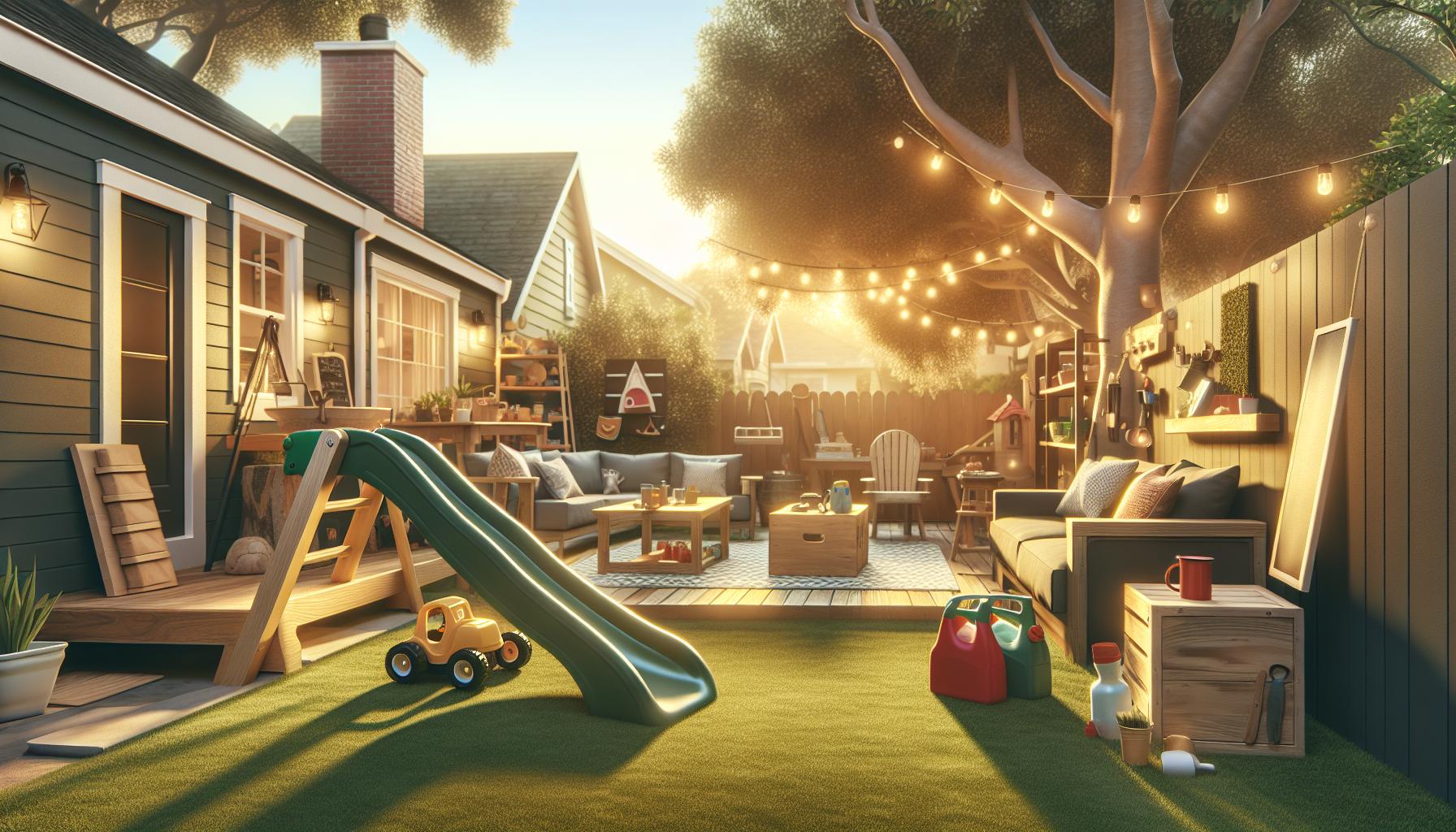
Essential Tools and Materials for Your Slide Project
Creating a slide in your backyard is a fantastic way to add excitement and fun for kids while also enhancing your outdoor space. However, before you dive into the breaking ground and building process, gathering the essential tools and materials is crucial for a successful and safe project. Having the right supplies on hand can make the difference between a smooth build and a frustrating experience.
Gathering Your Tools
The first step in your DIY adventure is to make sure you have the necessary tools for the job. Here’s a handy list of what you’ll need:
- Measuring Tape: Precision is key when planning your slide. You’ll want to measure the space accurately.
- Power Drill: Perfect for assembling parts and securing components. Check for extra drill bits suitable for wood and other materials.
- Saw: A circular saw or handsaw will help you cut wood to the correct sizes. When using power tools, prioritize safety with gloves and goggles.
- Level: Ensure that your slide is perfectly horizontal for a safe ride.
- Sandbox or Shovel: If you plan to dig a foundation or create a base for your slide, these will come in handy.
Materials That Matter
Once your tools are in place, it’s time to focus on the materials needed to construct your slide. Your choice will depend on your design, but here are some common materials you might consider:
- Wood: Pressure-treated lumber is great for outdoor structures. Opt for sturdy planks that can withstand weather variations.
- Plastic Slide or Slide Kit: If you’re looking for a smoother ride, consider purchasing a pre-made slide component.
- Fasteners: Screws, bolts, and brackets are necessary for securing your slide. Choose weather-resistant options for durability.
- Paint or Sealant: A good protective coating will enhance the resilience of your slide against the elements.
Safety First
Safety should be the priority as you embark on this project. Ensure that the materials you choose are non-toxic, especially if you have younger children. Additionally, consider the placement of your slide. Look for a flat area free from hazards and provide a soft landing surface, such as grass, mulch, or sand, to cushion any potential falls.
By gathering these essential tools and materials, you’re setting the stage for an exciting backyard transformation. With each step, you’re not just building a slide; you’re creating a space for joyful memories, laughter, and family fun. Embrace the process, stay safe, and watch as your backyard turns into a playground of dreams!
Step-by-Step Guide to Designing Your Slide
Creating your own slide can be one of the most rewarding DIY backyard projects. Imagine the joy your children will feel as they swoosh down a gleaming new slide you built just for them, filling your yard with laughter and memories. Planning and executing this project not only enhances your outdoor space but also encourages quality family time and teamwork. To ensure your slide is both safe and fun, follow this detailed guide through the essential steps of design and construction:
Choosing the Right Design
Start by visualizing your ideal slide. Consider the following elements:
- Age Appropriateness: Think about the ages of the children who will be using it. Younger kids may need a smaller, more gentle slope, while older kids might prefer something steeper and longer.
- Space Availability: Measure your yard to determine how much space you can dedicate to the slide. Be sure to include a safe zone for landing, which is critical for any slide.
- Materials: Decide whether you want to build from wood, plastic, or metal. Wooden slides blend beautifully into natural landscapes, while plastic ones might offer vibrant colors for a playful feel.
Consider drawing a simple sketch of your design that incorporates these elements, which will provide a clear vision as you embark on your project.
Safety First
Safety cannot be overstated when constructing a slide. Keep the following precautions in mind:
- Use Durable Materials: Select high-quality materials that can withstand the elements and rough play.
- Secure Footing: Ensure the slide has a sturdy base and is anchored appropriately to prevent tipping during use.
- Soft Landing Area: Install a soft surface at the bottom of the slide, such as grass, wood mulch, or rubber mats to cushion any falls.
Regularly inspect your slide for wear and tear, and teach children how to use it safely, reinforcing the importance of waiting for their turn and sliding down feet first.
Bringing Your Design to Life
Now it’s time to turn your vision into reality. Here’s how to build your slide step-by-step:
- Gather Your Tools: A comprehensive tool list might include a saw, drill, screws, measuring tape, sandpaper, and a level.
- Construct the Slide Structure: Build the frame according to your design, ensuring you secure beams tightly.
- Attach the Slide Surface: Use smooth materials for the surface, ensuring there are no sharp edges. A slight incline of 30 degrees works well for most backyard slides.
- Finishing Touches: Sand any rough edges and apply paint or sealant to protect against rain and sun. Choose fun colors that will delight your children!
By following these steps, you can create a slide that will entertain children for years. As you work together as a family, take photos and share laughter, knowing that you’re making a little slice of joy that will be enjoyed for generations to come!
Choosing the Right Location for Your Backyard Slide
Selecting the ideal spot for your backyard slide can transform a simple DIY project into a thrilling oasis of fun. Imagine the laughter echoing through your yard as children take turns zooming down into a soft landing, their cheeks flushed with excitement. Choosing a location isn’t just about convenience; it significantly influences the safety, accessibility, and overall enjoyment of your slide. Here are several factors to consider to ensure your slide is not only a source of joy but also a center of safe play.
Prioritize Safety First
Safety should be your top priority when deciding where to place your slide. Start by examining the ground beneath the slide; a soft landing surface like grass, mulch, or even rubber mats can cushion falls and minimize injury. Avoid installing your slide over hard surfaces like concrete or paved areas. Additionally, ensure that there are no obstacles nearby, such as trees, fences, or sharp tools, where a child could land unexpectedly. A clear zone of at least 6 feet around the slide is excellent for preventing collisions and allows safe access and exit for their joyful adventures.
Consider Sunlight and Shade
The location of your slide relative to sunlight and shade plays a significant role in both safety and comfort. Placing your slide in full sun can lead to hot metal or plastic surfaces, which might be painful on a sunny day. Conversely, too much shade can result in slippery surfaces when wet, which can be a safety hazard. Ideally, look for a balance: a location that enjoys morning sun for warmth but also provides some afternoon shade can keep the equipment cooler and make for more comfortable playtime. Surrounding trees or play structures can serve as natural shade without blocking sunlight completely.
Accessibility and Visibility
Ensure your slide is easily accessible to children while also being visible to supervising adults. A location that allows clear sightlines to the slide makes it easier to keep an eye on little ones, ensuring their safety as they play. If possible, configure the slide near existing play structures or a sandpit to create an integrated play area. This promotes more creative play and allows siblings or friends to join in on the fun without requiring constant adult supervision. Plus, consider the path to the slide; it should be free of tripping hazards and easy for children to navigate.
Integrating the Slide into the Natural Landscape
Finally, think about how your slide will fit into the overall landscape of your yard. A slide nestled amid flower beds or alongside custom-built wooden features can enhance the aesthetics of your backyard oasis. You can even integrate it creatively, like building the slide into a small hill or mound, which can add an exciting twist to traditional sliding. The goal is to create an inviting, whimsical space that inspires exploration. Use natural elements-rocks, logs, or faux boulders-around the slide area to complement its design and further entice playtime adventures.
In making these important decisions, remember that a backyard slide is not just a project; it’s a gateway to joy and treasured family memories. With thoughtful planning and a sprinkle of creativity, you can create an enchanting and safe space where laughter and play thrive together.
Safety Considerations for Building a Slide
When envisioning the joy of a backyard slide, safety should take center stage in your DIY adventure. A slide isn’t just a piece of outdoor furniture; it’s an invitation for laughter, fun, and countless childhood memories. However, ensuring that your slide is safe for all users is paramount to enjoy the sliding experience to the fullest.
Before even beginning your construction, it’s crucial to select a safe location for installation. Choose a flat, solid surface free from debris, sharp objects, and any potential hazards like tree roots or rocks. This not only enhances stability but also reduces risks if someone were to fall off. It’s recommended that you have a clear landing zone of at least six feet in front of the slide, ensuring ample space for safe dismounts. You can soften this area with mats or a layer of mulch, which can help cushion falls.
Materials Matter
The choice of materials significantly impacts both the durability of your slide and the safety of its users. Opt for sturdy, weather-resistant materials specifically designed for outdoor use to withstand wear and tear. Wooden slides should be sanded to remove splinters and treated with child-safe wood sealants. If you decide to use plastic, ensure that it is UV-resistant and free from harmful chemicals. A solid foundation is just as critical; consider using pressure-treated lumber for supports and bracing to guarantee stability.
Installation Techniques
Installation should go beyond basic assembly. Make sure to follow precise measurements and secure all components tightly. Use bolts rather than nails, as bolts provide a more reliable and durable connection. It’s also vital to check that the slide meets local safety standards; you may even find toddler-safe height recommendations if you’re building for younger children. Additionally, consider the angle of the slide; too steep can lead to acceleration that increases the risk of injury.
Regular Maintenance
Even the safest slides require ongoing care. Regularly inspect your slide for any wear and tear-pay close attention to areas that may show signs of damage, like cracks in plastic or rotting wood. Cleaning the slide periodically helps prevent mold growth and maintains an attractive appearance. Also, educate your children about safe sliding practices, such as taking turns, sitting properly, and ensuring the area below is clear before sliding down. Engaging children in safety can foster a sense of responsibility and awareness.
Ultimately, the goal is to create a fun and secure experience for all children. A well-built, safely designed slide ensures that laughter echoes in your backyard for years to come while giving parents peace of mind. So gather your tools, embrace the DIY spirit, and build a slide that invites smiles, thrills, and unforgettable memories.
DIY Slide Ideas: Creative Designs to Inspire You
Creating a slide in your backyard can unleash a world of fun and imagination, transforming your outdoor space into a mini amusement park. Whether you’re aiming for classic designs or want to infuse a bit of whimsy, the possibilities are endless. Inspired by adventurous playgrounds and enchanting gardens, your DIY slide can also be a work of art that reflects personal style while providing hours of enjoyment for children and adults alike.
Natural Wood Slide
Using natural materials not only complements your backyard aesthetics but also provides a safe and sturdy option for a slide. Consider crafting a slide from smoothly sanded wooden planks. To create a rustic yet functional slide, select a gentle slope, ensuring it’s not too steep for safety. Incorporate wood from your surroundings, like cedar or redwood, which are naturally resilient to weather. For extra flair, paint or treat the wood with non-toxic finishes that highlight the natural grain and add a pop of color, making it a stunning centerpiece in your garden.
Water Slide for Sunny Days
Transforming your backyard into a summer paradise can be as simple as adding a water slide. Create an inflatable slide by placing a large tarp over a gentle hill, securing it with stakes. Use a sprinkler or hose to keep it slippery, providing an exhilarating ride for kids of all ages. If your climate supports it, consider installing a more permanent plastic slide along an artificial hill, ensuring ample drainage and safety measures. This fun addition not only keeps families cool but encourages outdoor play on those sizzling summer days!
Themed Slides for Imaginative Play
Let your creativity run wild by designing themed slides that inspire imaginative play! A pirate ship slide can take you on swashbuckling adventures, while a space rocket can launch young astronauts into orbit. Begin with a standard slide structure and enhance it with painted details, wooden additions, or even fabric canopies that create fun play environments. Choose bright colors and quirky shapes that excite the imagination, and don’t forget to add surrounding elements like a sandpit for treasure hunts or artificial turf for a safe landing area.
Interactive Slide Features
To elevate the experience further, think about incorporating interactive elements. A slide can have side-mounted climbing walls, small tunnels, or even a ball pit at the bottom for extra engagement. These additions encourage physical activity, coordination, and group play, making your backyard the go-to destination for all neighborhood get-togethers. Ensure any enhancements adhere to safety guidelines, maintaining sturdy connections and using smooth edges to avoid accidents.
In your quest to design the ultimate backyard slide, balance aesthetics with safety and durability. With a bit of imagination and determination, your slide can become a highlight of outdoor activities, cherished memories, and endless laughter in your family’s playtime adventures.
How to Build a Slide for All Ages
Creating a slide that caters to all ages can transform your backyard into a vibrant play space, fostering fun and bonding for family and friends. Envision your loved ones-children racing down with gleeful laughter, adults rediscovering their childhood with a slide that reignites joy. To achieve this, consider designs, features, and materials that ensure safety and durability while being engaging for everyone.
Choosing the Right Design and Materials
Your choice of design will play a crucial role in accommodating various age groups. Here are some ideas to keep in mind:
- Gentle Slopes for Younger Children: Opt for a slide with a lower incline. This keeps novices safe while building confidence in their sliding skills.
- Sturdy Build for Adults: Use robust materials like treated lumber or heavy-duty plastic that can withstand the weight of adults without compromising safety.
- Multi-Faceted Fun: Consider incorporating additional features, such as climbing walls or integrated swings, which make the slide a focal point of a larger play structure-everyone can enjoy various activities!
Great slides incorporate safety measures, so be sure to include proper guardrails and a soft landing pad at the bottom. Additionally, using non-toxic finishes or weather-resistant materials ensures durability, especially if your slide will face the elements.
Incorporating Safety Features
Safety should remain paramount in your slide construction. Here are strategies for keeping contributors of all ages safe:
- User-Specific Guidelines: Create height or age recommendations to ensure safety across different users. This helps manage traffic on the slide and prevents accidents.
- Surface Material: If you’re building a wooden slide, ensure it has smooth, rounded edges and is free of splinters. If you’re considering plastic, lightweight options tend to be easier to handle while offering a softer landing.
- Regular Maintenance: Inspect the slide regularly for wear and tear, tighten screws, and replace any damaged parts promptly.
To exemplify this, consider designing a slide with a modular approach. For instance, a removable portion can be added or adjusted based on age group-keeping the fun inclusive while encouraging supervised play for younger children.
Enhancing the Sliding Experience
Making the sliding experience more engaging can be the highlight of your backyard. Here are some fun ideas:
- Slides with Themes: Paint your slide in vibrant colors or themed patterns that resonate with your family’s interests, such as ocean waves or space rockets. Children are often attracted to slides that resonate with their favorite movies or activities.
- Interactive Elements: Consider attached features such as water sprayers for a summer splash or a mini rock climbing wall leading up to the slide for added excitement.
- Community Spirit: Invite neighbors to contribute ideas or even help with the build process, enhancing community bonds and encouraging collective ownership of backyard fun.
Remember, building a slide for all ages isn’t just about the structure-it’s about creating an experience of laughter, joy, and cherished memories. With thoughtful design, safety features, and creative enhancements, the slide you build can be the heart of countless adventures and family gatherings, bridging generations through the simple joys of play.
Maintenance Tips to Keep Your Slide in Top Shape
To ensure your backyard slide remains a source of joy and laughter for years to come, regular maintenance is essential. A well-cared-for slide not only enhances safety but also keeps it looking new and inviting. With a few simple practices, you can maintain its condition and continue to create unforgettable memories on this delightful outdoor feature.
Routine Inspections
Make it a habit to perform routine checks on your slide, ideally every few weeks or at least once a month. Look for any visible signs of wear or damage, such as:
- Cracks in the sliding surface
- Rust on metal parts
- Loose bolts or screws
- Splintering wood (if applicable)
Addressing these issues early can prevent more serious problems down the line, ensuring a safer play environment. If you do notice any cracks or rust, consider using sandpaper to smooth rough edges and applying a weatherproof sealant for added protection.
Keep It Clean
Cleaning your slide regularly can significantly prolong its life. Leaves, dirt, and debris can accumulate, making the surface slippery and less enjoyable. Here are some tips for keeping your slide spotless:
- Use a mild soapy solution and a soft cloth to wipe down the surface.
- Rinse thoroughly with a hose to remove any soap residue.
- For harder stains, a mixture of baking soda and water can be effective.
After a good cleaning, ensure the area around the slide remains clear of obstacles and dangerous objects, further enhancing the safety of your backyard haven.
Seasonal Preparations
As the seasons change, so too should your slide’s care routine. Before winter sets in, take extra precautions to protect your slide from harsh weather conditions. This might involve:
- Covering the slide with a weatherproof tarp to shield it from snow and ice.
- Applying a silicone spray to reduce friction and prevent ice accumulation.
- Disassembling parts if needed and storing them in a garage or shed during particularly inclement weather.
Once spring arrives, give your slide a thorough inspection and cleaning, removing any debris that might have accumulated over winter. This will help you kick off the season with fresh excitement and ready-to-go family fun!
By committing to a regular maintenance routine, you not only safeguard your investment but help your family create countless happy memories on your DIY slide. Remember, a well-maintained slide is not just a structure; it’s a gateway to adventure and joy!
Common Mistakes to Avoid When Making a Slide
Creating a backyard slide can be an exhilarating project, but it’s also one where small mistakes can turn fun into frustration. As you embark on the journey of designing and constructing your very own slide, being aware of common pitfalls can save you time, resources, and, most importantly, ensure safety for your little adventurers.
One of the most prevalent errors is underestimating the importance of proper site selection. Choosing an appropriate location is crucial not just for the aesthetics of your backyard but also for functionality. A slope that is too steep can lead to unsafe conditions, while uneven ground can cause the slide to wobble or tilt. Take the time to find a flat, clear, and adequately spaced area, ideally with a soft landing zone at the bottom, such as grass or mulch, to cushion any falls.
Another mistake often made is overlooking the need for robust materials. Many DIY enthusiasts are tempted to use whatever scrap wood is available, but this can lead to serious safety hazards down the line. Instead, invest in high-quality, weather-resistant materials that can withstand the elements. For example, pressure-treated wood or composite materials not only last longer but also provide greater safety. Additionally, ensure that all parts are securely fastened and that the slide is free of splinters, sharp edges, or any elements that could compromise safety.
Pay careful attention to slide dimensions and design as well. While creativity is encouraged, ensure that the height, length, and angle of the slide adhere to safety guidelines appropriate for the ages of your children. A slide that is too tall or too steep can lead to injuries. A fun tip is to model it after existing playground slides-this can provide you with a clear benchmark for angle and proportions.
Finally, don’t forget to consider the age and interests of your children in your design. What excites them? Does your child prefer a gentle slope or a more thrilling descent? Including additional features like curves or built-in climbing walls can enhance the user experience, but making these decisions without parental input can lead to disappointment. Engage your kids in the process-ask them about colors, themes, or any safety features that might excite them, making your project a family affair that culminates in joy and satisfaction for all.
By being mindful of these common mistakes, you can create a backyard slide that not only delights your children but also stands the test of time, serving as a gateway to countless outdoor adventures. Embrace the project with enthusiasm, and remember, at every stage, that safety and fun go hand in hand!
Enhancing Your Slide Experience: Accessories and Features
Creating a slide in your backyard can be a thrilling project, but enhancing the experience goes beyond just building the structure. By incorporating thoughtful accessories and features, you can transform a simple slide into an exhilarating playground centerpiece that captivates children and parents alike. Did you know that adding just a few key elements can significantly elevate the fun factor while ensuring safety and usability?
To start, consider installing safety mats at the base of the slide. These mats not only cushions falls but also prevent dirt and mud from accumulating, keeping the play area cleaner. Another great addition is a built-in water slide feature, which can be as simple as a hose attachment that sprays water at the top of the slide, turning a hot day into a splashing good time. For added safety, guardrails can be installed to help children navigate up and down the slide with confidence.
Incorporating Fun Accessories
There are various accessories that can enhance both safety and enjoyment. Think about these ideas:
- Sidewalls: Installing sidewalls can prevent little ones from sliding off the edges unexpectedly.
- Canopy Toppers: A decorative canopy can provide shade on sunny days, making the slide more enjoyable during warmer months.
- Activity Stations: Attach climbing holds or a mini rock wall next to the slide to create an exciting obstacle course.
- Decorative Elements: Customize the slide with colorful paint or themed stickers, turning it into a vibrant attraction in your backyard.
For those who love arts and crafts, consider letting your kids express their creativity by painting the slide or adding personal touches that represent their interests or favorite characters. Not only does this personalize their play area, but it also encourages them to take ownership of their outdoor space.
Safety Features Matter
When enhancing your slide experience, safety should remain a top priority. Here are some essential features you can consider:
| Safety Feature | Description |
|---|---|
| Soft Landscaping | Use soft grass or rubber mulch around the slide to absorb impact. |
| Non-Slip Coating | A non-slip surface can be applied to the slide to prevent accidents. |
| Regular Inspections | Regularly check for loose fittings or wear and tear to maintain safety standards. |
By focusing on these aspects, not only will you create a fun and safe environment for kids to play, but you’ll also foster family bonding. Remember, the joy of a backyard slide comes from not only the slide itself but from the laughter, smiles, and memories it creates. So, gather your tools and get ready to embark on this exciting DIY adventure, knowing that a spectacular space is just a few enhancements away!
Adding Landscaping Elements Around Your Slide
Creating a slide in your backyard can transform your outdoor space into a fun-filled haven for your family, but don’t overlook the potential of landscaping elements around your slide to elevate the experience even further. Enhancing your slide area with thoughtful landscaping not only adds aesthetic appeal but also ensures a safe, engaging environment for your children. Imagine a vibrant space filled with colorful flowers, soft grass, and perhaps even a few engaging features for play. Let’s explore some creative ways to integrate landscaping into your slide project.
Softening the Surroundings
To enhance safety while creating a visually appealing area, consider incorporating soft landscaping materials around your slide. A well-chosen combination of mulch, rubber mats, or artificial turf can provide cushioning should a child tumble off. Additionally, planting low-maintenance ground cover plants like clover or creeping thyme can create a lush, inviting environment. These plants not only look delightful but also require minimal upkeep, allowing more time for fun.
- Mulch: Opt for organic options like shredded bark to soften the base.
- Rubber Matting: These mats come in various colors and can be interlocked to create a custom design around your slide.
- Artificial Turf: If you want a grassy effect without the upkeep, this is an excellent choice.
Adding Playful Features
Incorporating other playful elements into your landscaping design can enhance the overall appeal of the slide area. Think about adding decorative stones, whimsical fairy gardens, or even a small sandbox nearby. You could also create an obstacle course using natural features like logs or large stones to further encourage physical activity and imaginative play.
Consider planting flowering shrubs, such as hydrangeas or butterfly bushes, which can naturally attract pollinators, offering children a chance to observe nature up close. A touch of greenery can stimulate curiosity and promote a love for the outdoors.
Functional Borders and Pathways
Establishing clear boundaries with functional landscaping features not only enhances safety but also organizes the space beautifully. A gravel or stone path leading to the slide can provide a designated area for kids and minimize the chance of trampling nearby plants. Edge the path with bricks or pavers for a polished look.
You might also create raised flower beds around the slide area, which can serve as beautiful barriers while ensuring kids know where to play and where to tread lightly. Use these beds to plant colorful annuals or perennials that burst with color and draw kids’ attention. This can make the yard feel more alive, and planting together can be a great family activity.
By thoughtfully incorporating these landscaping elements around your newly built slide, you’re not just ensuring safety and functionality; you’re creating a magical outdoor escape where your family can bond and play for years to come. Making your backyard a lively sanctuary will surely make it the envy of the neighborhood and provide countless hours of joy for your children.
Involving Kids in Your DIY Slide Project
Imagine the excitement on your child’s face as they slide down a masterpiece you built together. Engaging your kids in the process of creating a DIY slide can transform a simple backyard project into a memorable family experience filled with learning, creativity, and joy. Involving them not only makes the project more fun, but it also teaches valuable skills and fosters a sense of ownership and accomplishment in their outdoor space.
To begin, consider assigning specific tasks that cater to your child’s age and abilities. Younger children can help with easy jobs, such as gathering materials, painting sections of the slide, or assisting with safety checks like ensuring screws are tight and edges are smooth. This hands-on participation can be an excellent way for them to learn about tools and safety in a controlled environment. For older kids, you could let them take the lead in certain phases of construction, like measuring out the wood or helping with the assembly. As you work side by side, share tips about measurements and the importance of precision, nurturing their problem-solving skills along the way.
Safety should always be a priority when involving kids in a DIY project. Before starting, hold a quick safety briefing where you explain the tools you’ll be using and why it’s essential to follow guidelines. Equip them with proper safety gear-like goggles and gloves-as you work. You can also instill a sense of teamwork by making safety checks part of your routine. For example, designate them as the “safety supervisor” to regularly check that tools are kept away from the slide area and that everyone is following safety protocols.
Don’t forget to sprinkle in some creativity! Allow your children to personalize the slide by choosing colors or designing fun decorations. You could create a theme like jungle, ocean, or space, turning your new slide into a habitat of imagination. After the construction is complete, celebrate your achievements with a fun slide day-invite friends over, host a mini-opening ceremony, and let the kids take turns testing out the slide. Capturing moments like these will not only fill your home with laughter but also enhance their sense of pride in your family’s collaborative effort. Remember, the goal is to create not just a slide, but a delightful journey filled with laughter and bonding!
Q&A
Q: How do I make a DIY slide for my backyard?
A: To make a DIY slide for your backyard, gather materials like plywood, wood screws, and paint. Cut the plywood into a slide shape, ensuring safety edges, and secure it at an appropriate angle. Add safety features like a wide base and smooth finishes for a fun, safe experience. For detailed steps, visit The Spruce’s guide on building slides [[2]].
Q: What materials do I need to build a backyard slide?
A: You will need sturdy materials such as plywood or plastic sheets, wood screws, sandpaper for smoothing edges, and paint or sealant for weatherproofing. Optionally, you can use foam padding for safety and other decorative items to enhance your slide’s appearance.
Q: Is it safe to make a DIY slide for kids?
A: Yes, a DIY slide can be safe for kids if constructed properly. Ensure sturdy materials are used, the slide has a gentle slope, and edges are rounded or padded. Regularly check for wear and tear and install the slide on a soft surface, like grass or a rubber mat, to cushion falls.
Q: How tall should a DIY slide be for toddlers?
A: For toddlers, a slide height of 3 to 4 feet is ideal. This height provides a fun experience while minimizing injury risks. Always supervise young children, and consider adding safety features like side rails and a soft landing area below.
Q: Can I make an indoor slide for my home?
A: Absolutely! You can create an indoor slide using similar materials as outdoor options, but tailor the design to fit indoor spaces, such as staircases. Ensure the area is safe, clear of obstacles, and padded with soft materials like carpet or foam to prevent injuries.
Q: What are some creative ideas for DIY slides?
A: Creative ideas include using repurposed furniture like a sturdy bookshelf turned sideways, or combining a slide with a play structure. Add themes like a pirate ship or a castle for imaginative play. Explore unique inspirations by checking out CaughtOnAWhim’s article on fun DIY slide structures [[3]].
Q: How can I make my DIY slide more fun?
A: Enhance your slide’s fun factor by adding features like a water spray system, incorporating lights or colors for nighttime play, or even creating a small pool at the slide’s end. Consider themed designs and accessories to engage kids’ imaginations.
Q: What safety tips should I follow when building a slide?
A: Ensure stability by securing the slide on flat ground, using high-quality materials, and regularly inspecting the structure. Include safety barriers, soft landings below, and supervise children while they play. Always prioritize creating a safe play environment with clear usage rules.
Key Takeaways
Congratulations on embarking on your DIY journey to create a fantastic backyard slide! By following our guide, you’ve not only learned how to build a slide that brings joy to family gatherings but also added a dynamic play feature to your outdoor space that promotes active, imaginative play. If you’re still considering factors like materials or safety measures, don’t hesitate to explore our articles on DIY Outdoor Safety Tips and Best Materials for Backyard Projects for additional insights.
Now is the perfect time to turn those ideas into action-get your family involved, roll up your sleeves, and start crafting your dream slide today! Your backyard oasis awaits, and the smiles from your loved ones will make every moment spent on this project worthwhile. For more creative DIY inspiration, subscribe to our newsletter for updates, and check out our extensive resources including Creating Fun Backyard Games and Enhancing Your Outdoor Space. Let’s make your backyard the ultimate family playground!
We’d love to hear about your progress or any questions you might have-drop a comment below! And don’t forget to share your finished project with us on social media; we can’t wait to see how it turns out!