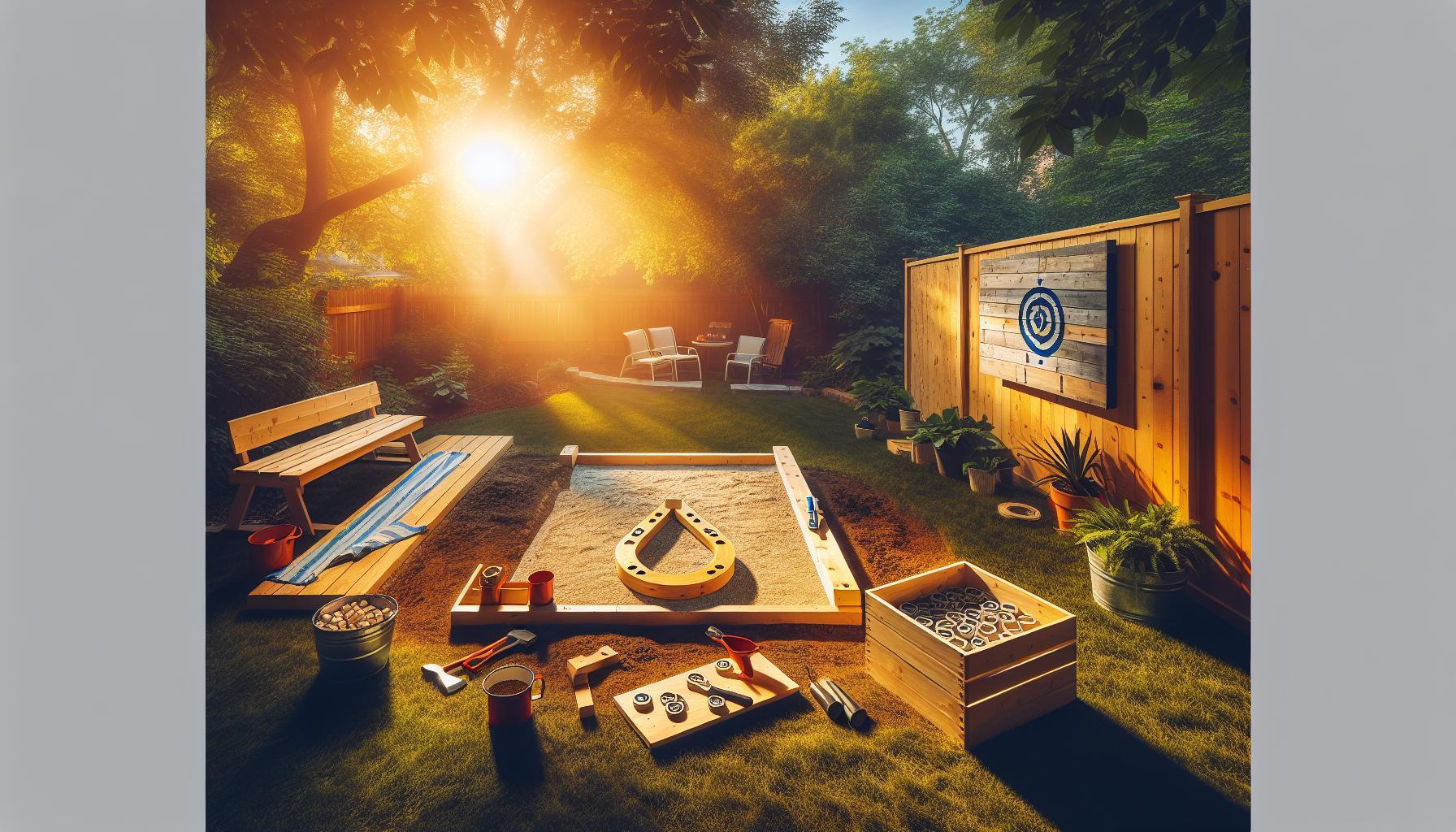
Did you know that horseshoes is one of the oldest backyard games in America, blending strategy, skill, and social fun? Creating your own horseshoe pit not only adds a touch of nostalgia to your outdoor space but also brings family and friends together for friendly competition. Whether you’re looking for a new weekend project or a way to enhance your backyard experience, building a horseshoe pit is a rewarding endeavor that promises hours of enjoyment for all ages.
In this guide, we’ll take you through easy-to-follow, step-by-step instructions to create your very own horseshoe pit. We understand that tackling DIY projects can sometimes feel overwhelming, but with the right tools and tips, you’ll find that this project is not only achievable but also a fantastic way to bond with your loved ones. So, let’s get started on crafting a durable and fun horseshoe pit, ensuring your outdoor gatherings are filled with laughter and memorable moments!
How to Choose the Best Location for Your Horseshoe Pit
Choosing the right spot for your horseshoe pit can make all the difference in creating a fun and enjoyable game area for everyone. A well-selected location not only enhances playability but also adds to the overall aesthetic of your outdoor space. When searching for the perfect place, consider various factors to ensure a safe, accessible, and inviting setup for family and friends.
Start by seeking a flat, level area that is at least 10 feet by 40 feet to accommodate your horseshoe pit’s dimensions and allow for proper play space. Uneven ground can cause disruptions during gameplay, leading to frustration and potential injuries. Additionally, keep in mind that the pit should be appealing but also convenient. Proximity to seating, shade, and refreshments can improve the experience immensely, making it easier for everyone to enjoy the game without unnecessary fatigue.
Safety is paramount when selecting your site. Avoid placing the pit near busy walkways, swings, or other high-traffic areas where stray horseshoes could pose a danger. Instead, opt for a location that is somewhat secluded but still easily accessible, allowing for uninterrupted play without hazards lurking nearby. An example could be a designated patch of your backyard or garden, perhaps near a patio to facilitate ongoing conversations and refreshments during gameplay.
Furthermore, consider the orientation of the horseshoe pit. Aligning it north to south can minimize the effect of glaring sunlight and provide a pleasant playing experience during different times of the day. If possible, plant lush greenery or add barriers around the pit to enhance the scenery and prevent stray horseshoes from going too far.
Incorporate these elements into your decision-making process for a well-thought-out horseshoe pit location that promises countless hours of fun and laughter for you and your loved ones!
Essential Tools and Materials Needed for Your Project
Creating a horseshoe pit is an exciting way to enhance your backyard and offer a fun activity for family and friends. Before you dive into the construction process, it’s essential to gather the right tools and materials, ensuring that the project comes together smoothly and safely. With the right setup, you can foster moments filled with laughter and friendly competition. Here’s a comprehensive guide to equip you for this DIY adventure!
To start, having the appropriate tools will make your job easier and guarantee a high-quality finish. Essentials include:
- Shovel: For digging and moving soil.
- Level: To ensure your pit is even and properly aligned.
- Tape Measure: Essential for precise measurements to maintain regulations of your pit size.
- Hammer: A sturdy hammer will help set the stakes or adjust the pit’s shape as needed.
- Posthole Digger: Useful for creating holes for your stakes if you’re using wooden posts.
- Concrete Tools: If you’re opting for a more permanent structure, you might need a mixing bucket and trowel.
In terms of materials, your options can vary depending on the style and permanence you desire for your horseshoe pit. Here are some key materials to consider:
- Horseshoes: Make sure you have a pair of horseshoes to play with – traditional metal ones or modern rubber variations work.
- Wood or Metal Stakes: These will act as the targets – typically 14- to 18-inches high from the pit base.
- Sand or Gravel: A base layer of sand or gravel can improve drainage and create a stable playing surface.
- Wooden Planks or Concrete Blocks: For creating the boundaries and frame of your horseshoe pit.
- Plywood or Corrugated Metal Sheet: These can provide a backboard if desired, which can help in retaining shoes.
Getting your hands on the right tools and materials might require a trip to your local hardware store or a quick online order, but it’s worth the investment. Not only will you create a fantastic outdoor feature, but you’ll also enjoy the satisfaction of building it yourself. Imagine the joy of inviting your loved ones over for a game, surrounded by laughter and the thrill of healthy competition. Stay safe, keep those safety goggles on while working, and let your creativity shine through as you design the perfect horseshoe pit for your backyard bliss!
Step-by-Step Guide to Digging the Pit and Setting the Stakes
Creating a horseshoe pit can transform your backyard into a hub of summer fun and friendly competition! With the right preparation and execution, you can build a sturdy pit that will stand up to play and provide countless memorable moments for your family and friends. The first major step in this DIY project is to dig the pit itself and set the stakes, ensuring a solid foundation for your horseshoe games.
To start, choose a flat area in your yard that is at least 10 feet by 6 feet for a single pit or larger if you’re planning for multiple pits. Use a roll of lawn chalk to outline the rectangular shape of your pit-typically, it should be about 3 feet wide by 6 feet long. Once you have your dimensions, grab a spade or shovel and get ready to dig! Aim for a depth of about 7 to 8 inches to accommodate the sand or clay base you’ll later fill it with. As you dig, you might encounter roots or rocks; don’t hesitate to clear these out, as they can disrupt the level surface and affect gameplay.
After you’ve successfully excavated the pit, it’s time to install the stakes that will guide your throws. Using a measuring tape, locate the center of one of the shorter sides of the pit and mark it. The stakes should be set 40 feet apart for standard play, but it’s essential that they are equidistant from this mark to ensure fair play and balance. The stakes themselves, typically made of steel or a strong wood, should stand upright at a height of approximately 36 inches above the ground. This can be achieved easily by simply driving them into the ground while ensuring they remain vertical-using a level can help with this.
Finally, once your stakes are in place, double-check their positioning and stability, making any necessary adjustments. With the pit dug and the stakes set, you are well on your way to creating a fantastic horseshoe playing area. Now, all that’s left is to fill your pit with play sand or clay for a perfect landing surface, ensuring safety and enjoyment for all players!
This DIY project not only creates a fun activity for family gatherings and friendly contests but also encourages outdoor activity and skill development in a laid-back environment. Happy tossing!
DIY Horseshoe Pit Construction: From Ground Preparation to Finishing Touches
Building a horseshoe pit can bring hours of fun and excitement to your backyard gatherings, creating memories that will last for years. This engaging activity not only encourages friendly competition but also serves as a great way to enjoy time outdoors with family and friends. To get started on crafting your own horseshoe pit, it’s essential to focus on the foundational steps: from ground preparation to finishing touches that enhance the overall look and functionality of your project.
Begin by selecting a flat area in your yard that has ample space for tossing horseshoes safely. Ideally, you should choose a location that is free from obstructions such as trees, fences, or any other potential hazards. To mark your pit’s perimeter, use lawn chalk to outline a rectangle measuring 4 feet by 10 feet for each pit. For the optimal depth of your pit, use a shovel to dig down about 7-8 inches within the outlined area. This will create a sturdy base for the sand and ensure your horseshoes have a proper landing zone [[1]].
Next, constructing a frame for your pit using pressure-treated wood is crucial for durability, especially if you want it to withstand the elements. Cut the pressure-treated posts to create a border around your pit dimensions and secure them using galvanized nails. Not only does this frame provide structural integrity, but it also keeps the sand contained within the pit. After the frame is set, fill your pit with sand up to about 2-3 inches from the top to give the horseshoes a nice soft landing [[3]].
As you approach the finishing touches, consider adding a protective layer or covering to your pit to maintain its condition. You can use mulch or gravel around the edges for aesthetics and additional footing stability. Personalize the area by painting or staining the wood to match your yard’s theme, or add decorative touches like a small sign indicating your horseshoe pit. With these steps, the construction process is not only practical but allows for creative expression and a sense of ownership over your new backyard feature [[2]].
By following these straightforward steps, you’ll have a fantastic horseshoe pit ready for play in no time. So gather your family, set up a friendly tournament, and make the most of your backyard space with this exciting DIY project!
Creative Pit Design Ideas to Enhance Your Outdoor Space
Creating a horseshoe pit in your backyard not only enhances your outdoor space but also invites family and friends to enjoy time together in a playful yet competitive atmosphere. A horseshoe pit can be a focal point for summer barbecues, fall gatherings, or just casual weekend hangouts. What’s even better? It’s a project you can tackle yourself, and the design can be as simple or intricate as you desire, making it a versatile addition to any yard.
One idea to elevate your horseshoe pit design is to integrate seating around the area. Consider using outdoor benches or portable chairs that can be easily moved or stored away. This not only creates a comfortable viewing area for spectators but also adds a cozy vibe to your gatherings. You could even add bistro lights overhead to create a warm and inviting atmosphere during evening play.
Incorporate Natural Elements
Incorporating natural materials can seamlessly blend your horseshoe pit into the landscape. Use wooden borders made from logs or treated lumber to define the space clearly. For a rustic touch, consider surrounding the pit with pebbles or mulch to minimize mud and keep the area looking clean. You might plant grasses or flowers around the perimeter to enhance the aesthetic while introducing the sounds and scents of nature.
Creative Designs and Features
Don’t forget to think about fun, themed touches that can make your horseshoe pit stand out. Here are a few creative ideas to spark your imagination:
- Colorful Horseshoes: Rather than standard metallic horseshoes, paint them in vibrant colors that match your outdoor decor or team colors.
- Pit Area Customization: Use stencils to add your family name or a fun phrase on a wooden backboard behind the pit.
- Scoreboard: Craft a DIY scoreboard from reclaimed wood to keep track of the games and add a competitive edge.
By considering these design ideas and additional features, your horseshoe pit will not just be a place to play; it will also be a point of pride and a wonderful spot for creating memories. Remember that safety is paramount, so ensure the surrounding area is clear of hazards, and provide adequate space for playing and seating. With some planning and creativity, your DIY horseshoe pit can transform your outdoor space into a cherished gathering place for all.
Safety Tips for Building and Using Your Horseshoe Pit
Creating a horseshoe pit can be a delightful addition to your backyard, offering fun and relaxation for family and friends. However, as with any DIY project, keeping safety top of mind is essential to ensure a smooth and enjoyable experience. Before you dive into building your pit, consider some vital safety tips that not only protect physical well-being but also enhance the enjoyment of the game for everyone involved.
Choose the Right Location
One of the first steps in establishing your horseshoe pit is selecting the right spot. Look for an area that is level and free from obstructions such as tree roots, sharp rocks, or low-hanging branches. Proper drainage is also vital to keep your pit usable during rainy weather. A good rule of thumb is to place the pit at least 10 to 15 feet away from fences, walls, or other structures to prevent damage from stray horseshoes. Make sure that the area is spacious enough for players to throw horseshoes without risk of injury to bystanders.
Protective Gear is Key
Even with a well-placed pit, accidents can happen. To mitigate these risks, consider using protective gear, especially for younger players. Safety goggles can help protect eyes from flying debris, while closed-toe shoes will shield feet from falling horseshoes. Encourage players to stand behind the pitching box when it’s their turn, and to remain at a safe distance while others are throwing. By fostering a culture of safety, you’ll create a more enjoyable environment for everyone.
Regular Maintenance
Once your horseshoe pit is constructed, ongoing maintenance is crucial for safety and usability. Regularly check for any hazards in and around the pit, such as sharp edges, loose gravel, or deteriorating materials. A simple visual inspection can prevent larger issues from arising later on. If you notice the horseshoes becoming damaged or warped, replace them promptly to maintain a fair and safe playing experience. Keeping the area weed-free and well-maintained helps ensure that the focus remains on fun rather than on avoiding tripping hazards.
Set Ground Rules
Establishing clear rules for play is essential for safety, especially in a family environment. Discuss and enforce rules such as taking turns, proper throwing techniques, and maintaining a safe distance from the pit while others are pitching. For younger players, consider setting boundaries regarding how close they can approach the pit while others are throwing. Having a designated ‘spectator zone’ can ensure that everyone has a fun and safe viewing experience.
By embracing these safety precautions while building and using your horseshoe pit, you can create a fantastic outdoor space that fosters both enjoyment and security. With the right planning and respect for safety, your family can enjoy countless hours of fun and laughter in the great outdoors.
Maintenance Tips to Keep Your Horseshoe Pit in Top Condition
Maintaining your horseshoe pit is crucial for ensuring consistent playability and safety for everyone involved. Did you know that, much like a baseball diamond or a volleyball court, a well-maintained horseshoe pit can be both a competitive and social gathering spot? With a little care and attention, your pit can provide hours of fun for families and friends alike. Here are some practical tips to help you keep your horseshoe pit in excellent condition.
Regular Inspections
Start by performing regular inspections of your horseshoe pit. Look for any wear and tear, especially around the stakes and the surrounding area. It’s normal for elements like rain, moisture, and heavy use to cause shifts or damage, but catching these issues early can help you avoid bigger repairs down the line. Ensure that the stakes are firmly in place and not wobbly – secure them back into the ground if necessary. This keeps the game safe and enjoyable, especially for kids and beginners.
Maintain the Pitching Area
Keeping the sand or clay in the pitching area at optimal levels is critical. Here’s how:
- Leveling: After any heavy rain, the surface may become uneven. Rake the area to restore a level surface, which makes pitching easier and more accurate.
- Adding Material: If the surface becomes too compacted or eroded, feel free to add more sand or clay to maintain that cushy, safe footing. Aim for about 3-4 inches of material for the perfect balance!
- Cleaning: Periodically clear any debris like leaves or twigs that might have collected in the pit. A clean space is inviting and ensures that no obstructions interfere with gameplay.
Repair and Refresh the Surrounding Area
Take a look around the pit’s perimeter. If grass or weeds are encroaching, keep them at bay by regularly mowing and trimming. This not only maintains an acceptable appearance but also reduces distractions during gameplay. Consider placing landscape edging around the pit, which can help contain sand or clay while contributing to a polished look. In addition, adding a layer of mulch can keep the area tidy while preventing weed growth-making your horseshoe pit not just functional, but also aesthetically pleasing.
Seasonal Maintenance
As seasons change, so too will your horseshoe pit’s needs. In the winter months, consider covering the pit with a tarp or plastic sheet to protect it from heavy snowfall or ice. This helps maintain the integrity of the materials and prevents freezing damage. Similarly, in warmer months, consistent hydration of the clay or sand can improve the overall play experience by keeping the surface properly moistened without becoming muddy.
By following these easy maintenance tips, you can guarantee your horseshoe pit remains a go-to destination for family fun, friendly competition, and treasured memories. So gather your friends, roll up your sleeves, and enjoy the great outdoors, knowing you’ve created a safe and inviting playing field for everyone to enjoy!
Fun Variations of Horseshoe Games for Family and Friends
Whether you’re gathering with family or hanging out with friends, adding a twist to your horseshoe game can elevate the fun to a whole new level. Did you know that several exciting variations can transform a simple toss into a cherished memory? You can keep everyone engaged, whether it’s energetic kids or seasoned players. Here are some creative spins on the traditional horseshoe toss that promise laughter, competition, and unforgettable moments.
Beach Horseshoes
Why not take your horseshoe games to the beach? Instead of traditional pits, draw a large circle in the sand, about 10 feet in diameter, and place sticks or small markers in the center to serve as your stakes. Players will take turns throwing their shoes from a designated line. The best part? You can adjust your distance depending on skill levels, making it perfect for all ages. Plus, the sound of ocean waves and a warm breeze provides a tranquil backdrop to your competition.
Team Play
When you have a large group, consider dividing into teams for a relay-style horseshoe game. Set up two pits at a moderate distance and designate a starting line. Each player must run to the pit, toss their horseshoe, and then race back to tag the next teammate. Not only does this variation add a layer of physical activity, but it also fosters teamwork. Keep score of how many horseshoes land close to the stake, and celebrate with a small prize for the winning team!
Obstacle Challenge
Mix up the game even more by incorporating obstacles. Set up items like cones, pool noodles, or even hula hoops around your horseshoe pits. Players must navigate around these challenges before tossing their horseshoe. This variation tests not only skill but also creativity as everyone thinks of the best strategies to aim for that perfect ring. Just remember to keep safety first by ensuring all obstacles are clearly marked and safe to maneuver around.
Creative Scoring System
Ditch the traditional scoring and customize your own system for added excitement! For example, award points based on distance: a ring on the stake may earn 5 points, while a close toss earns 3 points, but a successful toss that hits an obstacle could earn double points! Have fun with it and get the family involved in creating the rules. Making the scoring unique can spark friendly debates and encourage more competitive play while keeping everyone hooked for hours.
By infusing a little creativity into your backyard horseshoe games, you can turn a simple activity into a vibrant event full of laughter and camaraderie. Each variation keeps the spirit of healthy competition alive while ensuring that your outdoor spaces are utilized to their fullest potential. Gather your family and friends, set up your horseshoe pit, and let the games begin!
How to Make Your Own Horseshoes for the Ultimate DIY Experience
Creating your own horseshoes can add a personalized touch to your DIY horseshoe pit, making your outdoor space not just functional but also uniquely yours. Imagine throwing custom-made horseshoes with friends and family while sharing laughter and friendly competition; crafting your own horseshoes enhances both the game and the experience. The process can be an engaging family project, allowing everyone to pitch in, learn something new, and enjoy quality time together.
To get started with making your own horseshoes, you’ll need to gather some essential materials. Typically, horseshoes are made from durable metals like steel or aluminum for longevity and optimal performance. If you’re opting for a DIY approach, consider using steel flat bars, which are relatively inexpensive and easy to work with. You will also need tools such as a welding machine or a forge for shaping the metal, a hammer for refining the horseshoe shape, and a grinder for smoothing out any rough edges. Safety equipment, including gloves and eye protection, is essential while working with metal to protect against sparks and sharp edges.
Steps to Craft Your Own Horseshoes
- Design the Horseshoe: Before diving into creating your horseshoe, sketch a simple design. Traditional horseshoes are U-shaped with tapered ends; decide on the dimensions that will suit your pit’s specifications.
- Cut the Metal: Using a cutting tool, trim your flat steel bars to the right length. An average horseshoe is around 7-8 inches long and 6-7 inches wide, but feel free to adjust based on personal preference.
- Shape the Horseshoe: Heat the metal in a forge until it’s malleable, then use a hammer and an anvil to bend it into the desired U-shape. This can be a fun, hands-on task for the whole family.
- Polish and Finish: Once the shape is established, use a grinder to smooth out any sharp edges. You can paint your horseshoes to add flair or to distinguish between teams in a friendly game.
Not only will these custom horseshoes serve their practical purpose during games, but they also can become a cherished memento of your family’s outdoor adventures. Think of them as a canvas-add unique designs, your family name, or even special symbols that hold meaning. Families who take on this project often report creating lasting memories through teamwork and creativity. Transforming metal into something that reflects your family’s spirit enhances the value of the horseshoe pit experience, making it more than just a game but a celebration of connection.
In embarking on this DIY journey, remember that the goal is to enjoy the process, craft something beautiful, and foster those bonding moments. So gather your loved ones, roll up your sleeves, and let your imagination run wild-creating your own horseshoes is sure to spark joy and laughter!
Guidelines for Hosting Horseshoe Tournaments in Your Backyard
Creating a horseshoe tournament in your backyard can be an incredibly rewarding experience that fosters friendly competition while bringing friends and family together for some outdoor fun. The delightful clang of horseshoes connecting and the laughter echoing around the pit can create unforgettable memories. To set the stage for an enjoyable event, there are a few key considerations and guidelines you can follow to ensure everything goes smoothly-from setup to gameplay.
Planning Your Tournament
Start by considering the scale of your tournament. Will it be a small gathering or a larger neighborhood event? The size will dictate your needs for space, equipment, and even refreshments. Here’s a quick checklist to help you get organized:
- Choose a Date: Select a weekend or holiday when most of your friends and family can attend.
- Gather Equipment: Make sure you have enough horseshoes and stakes for participants-typically, two horseshoes per team.
- Set Up the Pit: Ensure your horseshoe pit is appropriately sized and safe for play. Review your DIY horseshoe pit instructions to make sure it’s in tip-top shape!
- Sign Up Participants: Encourage people to RSVP so you’ll know how many competitors to expect, which is crucial for planning the tournament’s format.
Creating a Friendly Atmosphere
Another aspect to consider is the ambiance. A tournament that feels welcoming and fun will encourage participation and enthusiasm. Here are a few simple touches to create that inviting vibe:
- Decorations: Use banners or signs to create a tournament theme-blue ribbons for every participant can add a delightful touch of competition.
- Music: A carefully curated playlist can energize the environment, but make sure it’s at a volume that keeps conversations alive without being distracting.
- Snacks and Drinks: Provide refreshments. Think easy-to-eat items like chips and pretzels, along with refreshing drinks to keep everyone hydrated. You could even consider a fun BBQ to accompany the event!
Establishing Tournament Rules
Clear rules will help maintain fairness and clarity during your games. Consider these suggestions when formulating your tournament structure:
- Game Format: Decide whether you will hold single-elimination rounds, a round-robin structure, or something else. This will help you determine the number of games needed.
- Scoring System: Traditional scoring awards points based on proximity to the stake: 3 points for a ringer (a horseshoe encircling the stake), 2 points for being closest, and 1 point for a leaner. Make this scoring clear to all players.
- Safety First: Remind participants to stand behind the pitcher and keep a safe distance while others are throwing. Establish safe zones around the pit to enhance safety.
To sum it up, hosting a horseshoe tournament can be a fantastic way to bring your community together for some lighthearted competition. As you dive into planning your event, remember that the focus is not just on winning but on building connections and having fun. So grab your horseshoes, gather your loved ones, and get ready for a day full of laughter and friendly rivalries!
Enhancing Your Horseshoe Pit with Comfortable Seating and Decor
Creating a horseshoe pit is an exciting project that can enhance any backyard gathering, making it the perfect space for families to bond over some friendly competition. However, to truly maximize enjoyment, it’s essential to consider the overall experience-not just the pit itself. Comfortable seating and thoughtful decor can transform your horseshoe area into a cozy oasis where memories are made, laughter echoes, and everyone feels at home.
Imagine hosting a weekend get-together where friends and family relax in plush chairs while sipping cold beverages, cheering on players as they toss horseshoes. Consider integrating a variety of seating options that cater to different preferences. For instance, weather-resistant lounge chairs provide comfort while maintaining durability against the elements. Additionally, adding built-in benches or reclaimed pallets with cushions can create a casual yet inviting atmosphere that allows spectators to settle in and enjoy the action. Ensure that seating is placed to offer a great view of the pit without being too close to the activity, prioritizing safety while encouraging inclusivity.
Personal Touches for Your Space
To elevate your horseshoe pit further and make it a unique gathering spot, incorporate decorative elements that reflect your family’s personality. String lights can add a magical touch during evening events, while colorful banners or flags can showcase team pride. For those who love a rustic vibe, consider using old wooden crates to hold tools or drinks, or even create a charming side table for snacks. You could also include a portable fire pit nearby, which not only provides warmth on cooler evenings but also serves as a perfect social centerpiece for roasting marshmallows when the game winds down.
Practical Considerations
When setting up your seating and decor, think about the layout and accessibility of the area. Make sure the seating allows for easy movement to and from the horseshoe pit, especially on busy match days. Use non-slip mats or weather-appropriate outdoor carpets to provide extra safety and comfort underfoot, especially if children or older adults are part of your gatherings. Consider creating a small shaded area with easy-up canopies if your horseshoe pit is exposed to the sun, ensuring that everyone can enjoy the game without overheating.
By thoughtfully enhancing your horseshoe pit with comfortable seating and engaging decor, you’re creating a welcoming environment that invites everyone to enjoy outdoor fun. With a bit of creativity and a focus on comfort, your DIY horseshoe area can become the highlight of your gatherings, leaving lasting memories for years to come.
Frequently Asked Questions
Q: How do I choose the right location for a horseshoe pit?
A: To choose the right location for your horseshoe pit, look for a flat, level area that is at least 15 feet long and 6 feet wide. Ensure there’s a minimum of 10 feet clearance from any obstacles to allow for safe gameplay. For full instructions on setting up your pit, refer to our article’s first section.
Q: What materials do I need to build a horseshoe pit?
A: You’ll need pressure-treated wood for the frames, sand or clay for the base, horseshoes, and stakes. These materials ensure durability and proper gameplay conditions. For a detailed breakdown, see our materials checklist in the article.
Q: How deep should the sand be in a horseshoe pit?
A: The sand in a horseshoe pit should typically be about 3 to 4 inches deep. This depth allows for optimal play and sound pitch uniformity. For tips on maintaining your pit, check the maintenance section in our main article.
Q: What are the dimensions of a standard horseshoe pitch?
A: A standard horseshoe pit measures 6 feet wide and 12 feet long, with a stake set 40 feet apart for regulation play. These dimensions help ensure fair gameplay and challenge. Refer to our dimensions guide to get these specifics right.
Q: How do I maintain my horseshoe pit?
A: To maintain your horseshoe pit, regularly check the sand depth, refill as necessary, and rake the surface to keep it smooth. Additionally, inspect the stakes for stability and alignment. For more maintenance tips, explore the care section in our main article.
Q: Can I make a portable horseshoe pit?
A: Yes, you can create a portable horseshoe pit by building a removable frame and using lightweight, transportable materials like folding stakes. This allows you to enjoy horseshoe games anywhere! For detailed instructions, see our DIY portable pit section.
Q: What safety tips should I consider when building a horseshoe pit?
A: When building a horseshoe pit, ensure that it’s located away from high-traffic areas and has adequate clearance around it. Use non-toxic materials and check for sharp edges. For an extensive safety checklist, refer to the safety section of our article.
Q: How much does it cost to build a horseshoe pit?
A: The cost to build a horseshoe pit can vary, but generally, you can expect to spend between $100 and $300, depending on the materials used and whether you opt for a permanent or portable design. For cost-saving tips, check our budgeting section in the article.
Each question and answer is designed to engage readers and enhance their DIY experience while empowering them with the knowledge to build an excellent horseshoe pit. Feel free to dive deeper into our main article for more insights and inspiration!
Insights and Conclusions
Congratulations on taking the first step towards creating your very own horseshoe pit! With the right tools and steps, you’ll have a fun backyard attraction that brings family and friends together for endless enjoyment. Don’t wait-get started today and reclaim your outdoor space for exciting games and memories. If you’re looking for more DIY inspiration, check out our guides on building other backyard games like cornhole and bocce ball, or discover tips for landscaping that complement your new horseshoe pit.
We’d love to hear how your project goes! Share your photos or any questions in the comments below, and don’t forget to sign up for our newsletter for more handy DIY tips and exclusive content. Remember, every great outdoor space starts with a simple idea-let’s make yours fantastic!