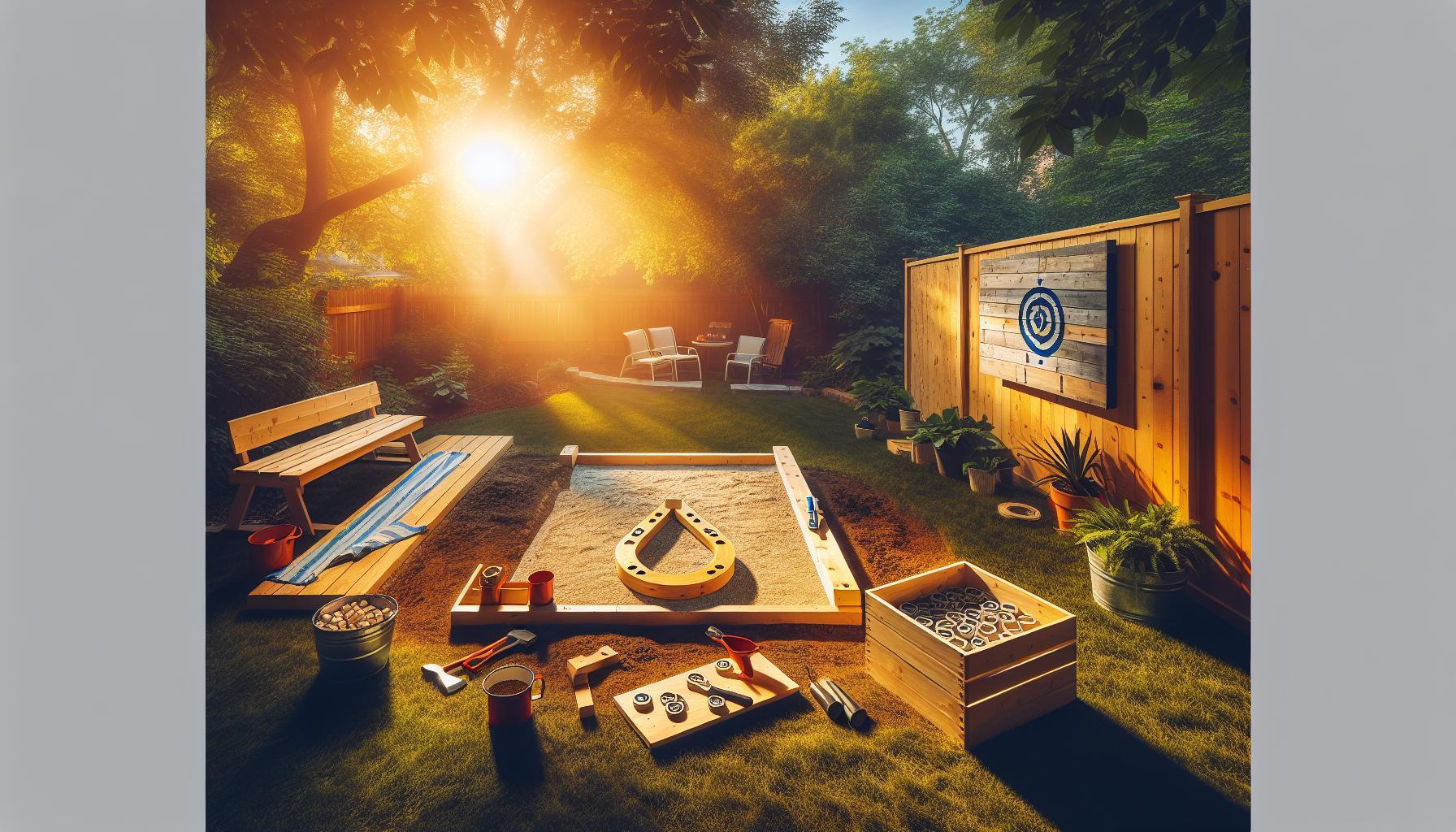
Imagine transforming a simple patch of your backyard into a lively hub of family fun and friendly competition! Building a horseshoe pit is not only an enjoyable DIY project, but it also fosters bonding moments, encourages outdoor activity, and brings out a playful spirit in everyone. This classic game, which combines skill and strategy, can be enjoyed by all ages, making it a fantastic addition to any home.
In this guide, you’ll discover how easy it can be to create your own horseshoe pit with just a few simple steps. From selecting the perfect location to gathering materials and constructing the pit, we’ll address your questions and concerns while ensuring safety and enjoyment are front and center. Get ready to unleash your creativity and build a space that the whole family will cherish for years to come! So let’s dive in and start crafting your backyard oasis of fun!
Choosing the Right Location for Your Horseshoe Pit

Finding the perfect spot for your horseshoe pit is essential for creating a fun and functional backyard setup. Did you know that positioning can influence not just the play experience but also the safety and longevity of your pit? Choosing a well-considered location will not only enhance your enjoyment but will also ensure the pit remains a safe space for family and friends to gather.
Begin by scouting your yard for an area that maintains a good, level surface. A flat, stable ground is key to ensuring the shoes land correctly and to prevent any mishaps during play. Ideally, the ground should be well-drained to avoid muddy conditions after rain. After all, you want to enjoy your horseshoe games, not get stuck in the mud! Consider using a large, flat stone or compacted gravel as a base for a durable, stable surface.
When selecting a spot, think about the existing landscape and how it affects both gameplay and safety. Look for an area away from overhead hazards like low tree branches or power lines. Also, take into account the proximity to other areas of your backyard, such as seating, play areas for children, or flower beds. Those distractions can make for chaotic play and safety risks, so aim to position your horseshoe pit at a comfortable distance where everyone is free to enjoy their space.
Furthermore, consider the sun and wind patterns in your yard throughout the day. A shaded area can provide comfortable playing conditions, especially on hot summer afternoons, while ensuring that wind patterns do not significantly impact the game. If possible, place your pit in a location that allows players to pitch into the wind rather than against it, enhancing the play experience.
Lastly, don’t forget about aesthetics! Positioning your horseshoe pit within view of your outdoor living areas can create a lively, sociable atmosphere. Adding appealing outdoor lighting can also extend your family game nights into the evening. Remember, this is not just about creating a pit; it’s about establishing a joyful outdoor hotspot where memories are made.
By thoughtfully choosing your horseshoe pit’s location, you’re setting the foundation for countless joyful gatherings. Get ready to forge lasting memories, enjoy some friendly competition, and laugh with the people you love while enjoying your new backyard feature!
Essential Tools and Materials for Building a Horseshoe Pit
Creating a horseshoe pit in your backyard can transform your outdoor space into a lively gathering spot for family and friends. However, having the right tools and materials is crucial for building a durable and fun horseshoe pit. With a little planning and the right equipment, you can ensure that your project is both achievable and enjoyable.
To start, gather your primary materials. You will need treated wood for the box frame, as it can withstand outdoor elements. Additionally, heavy-duty nails or screws will secure the structure, ensuring it stands the test of time. The dimensions of the pit matter; typically, a pit measuring 6 feet by 4 feet is ideal. Inside the box, you will need sand, clay, or a mix to create the playing surface. Each material has its advantages; for example, sand provides excellent drainage while clay offers a firmer landing for the horseshoes.
Essential Tools
The right tools can make the building process smoother and more enjoyable. Here’s a list of tools you’ll want to keep at your disposal:
- Measuring Tape: For precise measurements of your pit and layout.
- Saw: A circular saw or hand saw will help in cutting the wood to size.
- Drill: Necessary for driving screws and creating holes.
- Level: To confirm that your pit surface is even, ensuring fair play.
- Shovel and Rake: For shaping the sand or clay surface to your desired level.
Additional Considerations
Beyond just the basic materials and tools, take a moment to consider safety gear. Wearing safety goggles while cutting wood or drilling is essential to protect your eyes from flying debris. Gloves can help prevent blisters when handling rough materials. The building process is not just about creating a fun pit but ensuring safety throughout.
Finally, think creatively about the aesthetics of your horseshoe pit. You can paint the outer frame or decorate it with your favorite team colors, making it an inviting spot for friends and family. Highlighting your unique style not only enhances the visual appeal but also sparks enthusiasm for those who gather to play. By focusing on the right tools and materials, along with safety and creativity, you’re well on your way to building an engaging horseshoe pit that will be the highlight of your outdoor space.
Step-by-Step Guide: How to Build Your Horseshoe Pit
Building a horseshoe pit can ignite pure joy in your backyard gatherings, transforming those long summer days into evenings filled with laughter and friendly competition. Picture this: friends and family gathered around, the clink of horseshoes echoing, and the cheers ringing out as someone scores a ringer. Not only is this a fantastic way to enhance your outdoor space, but it’s also an easy DIY project that is perfect for all skill levels. Let’s dive straight into how you can create your own horseshoe pit right at home!
Planning Your Pit
The first step in constructing your horseshoe pit is to decide on the right spot in your yard. Look for an area that offers ample space-ideally, you need about 10 feet of length and 6 feet of width for a single pit, though a regulation setup is 40 feet apart for the pitching areas. Additionally, consider the safety of the space; keep it away from heavy foot traffic and ensure there’s enough clearance from other yard features. Also, check for any underground utilities before you start digging!
Once you’ve chosen the location, it’s essential to mark out the pit dimensions clearly using stakes and string. This will serve as a guideline for digging and will help ensure that your pit is evenly sized. Typically, a horseshoe pit measures 4 feet wide by 3 to 5 feet long, but you can adjust its size based on your preferences and yard space.
Gathering Materials
Before you start the construction, gather all the necessary materials. Here’s what you’ll need:
- Wooden planks – For the sides of the pit, durable wood like cedar or treated lumber works best.
- Sand or dirt – This will fill the base of your pit for the horseshoes to land in.
- Horseshoes – You can purchase or even make your own horseshoes if you’re feeling crafty!
- Measuring tape – To keep your measurements accurate.
- Level – Ensuring your pit is even will result in a better playing experience.
Armed with the right tools and materials, you’re on the way to creating a horseshoe pit that will bring family and friends together. Your backyard will soon flourish with lively gatherings and cherished memories.
Building the Pit
With your area marked and materials at hand, it’s time to dig your pit. A depth of about 12 inches is ideal-a base layer of compacted dirt with sand on top creates a soft landing spot for horseshoes. As you dig, make sure to maintain the dimensions you’ve measured out previously. Once you’ve reached the desired depth, lay down a mix of vine or gravel for drainage to prevent the pit from becoming mud-heavy after rain.
Next, construct the frames using the wooden planks. Use strong nails or screws to secure the planks together, ensuring they are stable enough to withstand outdoor conditions. Remember to keep the top edge of the frame level to avoid any injuries when players lean over to pitch. Once assembled, fill the pit with your chosen mix of dirt and sand, making sure the surface is level.
Finally, install the stakes at each end of the pit at a 30-degree angle, 40 feet apart, for pitching horseshoes. Secure them firmly, ensuring they won’t easily tip over with use.
As you finish your horseshoe pit, take a step back and envision the fun-filled afternoons creating memories with friends and family. The beauty of this project lies not only in its completed look but also in the laughter and competition that will fill the air as you enjoy your new backyard feature. So grab those horseshoes, gather your loved ones, and let the games begin!
Design Variations: Creative Horseshoe Pit Ideas

The beauty of creating a horseshoe pit lies not just in its construction but in how you can imbue it with your personal touch and creativity. Imagine a playing area that not only serves as a venue for friendly competition but also complements the aesthetics of your backyard. By incorporating various design elements, you can craft a space that radiates warmth and excitement, inviting the whole family to engage in outdoor fun.
Unique Horseshoe Pit Designs
When considering the layout of your horseshoe pit, think beyond the traditional rectangular shape. Embrace creativity by designing circular or octagonal pits, which can enhance accessibility and add an interesting visual element to your backyard. For a playful twist, you might integrate local themes or colors that resonate with your family’s heritage or the natural surroundings. You could even decorate the pit area with complementary landscaping-such as flowers, shrubs, or decorative stones-that enhance the overall atmosphere.
- Color Coordination: Utilize vibrant paints or colors in the pit’s wood frame to create a lively aesthetic. A green frame could blend seamlessly with foliage, while bright red or blue shades add a punch of excitement.
- Themed Decor: Consider adorning your horseshoe pit with themed decor that reflects your family’s interests. For instance, sports memorabilia or rustic farm designs can infuse personality into the space.
- Lighting Options: Enhance the ambiance by incorporating solar-powered string lights or lanterns around the pit. This not only invites evening play but also transforms your backyard into an enchanting space after sundown.
Functional Features
Incorporating functional features can elevate your horseshoe pit from ordinary to extraordinary. Consider placing seating around the pit, such as benches or colorful patio chairs, ensuring that spectators have a comfortable place to cheer on players. Another innovative idea is to install a small shaded pergola or canopy near the pit, making the area enjoyable even on hot, sunny days.
In terms of safety, it is wise to create a buffer zone around the pit to prevent stray shoes from causing unintended harm. Decorative fencing or plants can serve as effective barriers while adding to the visual appeal. Choosing natural materials that blend into your existing landscape can maintain that effortless charm while ensuring every member of the family can enjoy the pit without worry.
What truly matters is the spirit of togetherness that your horseshoe pit fosters. Whether you’re vying for the championship title or enjoying casual weekend games, your personalized horseshoe pit can be a wellspring of memories for years to come. With creativity and a little effort, you can turn a simple game into a stunning feature of your outdoor sanctuary!
Tips for Maintaining Your Horseshoe Pit

To ensure your horseshoe pit remains a source of enjoyment for years to come, regular maintenance is essential. A well-maintained pit not only enhances the gameplay experience but also promotes safety and longevity of the equipment. Start by checking the playing area regularly for any debris, such as leaves or stones, which can obstruct play and even lead to accidents. Clearing the pit ensures a smooth surface for tossing horseshoes, enhancing the experience for everyone involved.
Routine Care and Inspection
In addition to regular cleaning, inspect your horseshoe pit for signs of wear and tear. Here are a few maintenance tips to keep in mind:
- Check the angles: Ensure that the pit’s inclination remains consistent over time. If wear has caused a shift, re-level the sand or dirt to maintain the proper slope.
- Sand Depth: The depth of the pit’s sand should be at least 3-4 inches. Replenish it as needed to keep the pit usable and safe.
- Replace or Repair Horseshoes: Regularly inspect your horseshoes for damage. Replace any that are bent or broken to avoid injury and ensure fair play.
Seasonal Considerations
As seasons change, so do the needs of your horseshoe pit. In potential wet weather, consider covering the pit to protect the surface from excessive moisture, which can lead to erosion or muddy conditions. Conversely, during extremely dry spells, check the pit for signs of dust or hardening, which can affect gameplay. Adding a bit of water can help maintain a soft, playable surface. Additionally, a quick raking of the sand can help redistribute it evenly after a storm.
Engage the Family
Involve the whole family in maintaining the pit. This not only fosters a sense of ownership but also turns maintenance into a fun family project. Consider hosting a “pit clean-up day” where you can all enjoy a fun afternoon together while tending to the horseshoe area. You can even turn this into a friendly competition by timing how fast you can clean up or maintain the pit.
By prioritizing regular maintenance and engaging every family member in the process, you create not just a functional horseshoe pit, but a hub for family fun and memories. With a little effort and care, your horseshoe pit can remain a cherished part of your backyard for years to come!
Rules and Scoring: How to Play Horseshoes
When you set up a horseshoe pit in your backyard, you’re not just creating a fun space for games; you’re opening the door to an age-old competition that combines skill, precision, and a touch of friendly rivalry. Understanding the rules and scoring is essential for transforming your leisurely backyard evenings into exciting tournaments that can engage the whole family. Whether you’re a seasoned player or new to the game, knowing how to play and keep score can enhance the fun and ensure everyone feels included.
To dive into the game, each player takes turns throwing horseshoes at a stake driven into the ground, typically set 40 feet apart for adults, and 30 feet for youngsters. The aim is to encircle the stake or land as close as possible. Here’s how scoring works:
Scoring System
- Three points for a ringer: If your horseshoe encircles the stake.
- One point for a leaner: If your horseshoe leans against the stake but does not encircle it.
- No points awarded for shoes that land outside the scoring area.
If you’re looking for a way to encourage everyone to play, consider creating a tournament-style setup where the first player to reach a pre-determined number of points, such as 21 or 50, wins. Not only does this add excitement but it also provides a clear goal, motivating less experienced players to improve their throws.
Game Play Basics
To kick off a friendly match, first establish the order of players. Players can take turns in a round-robin style or alternate throws until everyone has had their shot. Keeping track of points can be done by marking a scoreboard or even using a chalkboard to jot down scores after each round. Having fun doesn’t stop there! You can spice things up by introducing a twist or two:
- Horse with Horseshoes: A twist on the classic game of “Horse” where players must replicate successful throws to avoid striking out.
- Team Play: Form teams, doubling the fun with coordinated efforts and strategies.
Always remember safety is paramount-ensure the area is clear of obstacles and provide a designated space for players to throw. Involving kids? Set clear guidelines on safe distances and behaviors to make sure everyone enjoys a worry-free game.
Unleash the competitive spirit while forging lasting memories with family and friends. As you engage in your horseshoe games, remember that the laughter shared and skills gained on the pit hold the true essence of backyard fun!
Enhancing Your Horseshoe Area with Comfortable Seating
Creating a horseshoe pit in your backyard is more than just digging two parallel stakes into the ground; it’s about transforming a simple outdoor space into a hub of family fun and friendly competition. Once you’ve set up your horseshoe pit, the next step is to enhance the experience by integrating comfortable seating. Imagine gathering around with friends and family, cheering on the tosses as you sink into a cozy chair, perhaps with a cool drink in hand. The right seating can elevate your backyard gatherings, making them not only enjoyable but also memorable.
Choosing Your Seating
The first thing to consider when selecting seating near your horseshoe area is comfort and functionality. Think about the type of seating that will best suit your gatherings. Here are some popular choices:
- Adirondack Chairs: These iconic wooden chairs combine style with comfort, providing a relaxed atmosphere perfect for any outdoor setting.
- Folding Chairs: Practical and easy to store, folding chairs are great for spontaneous games and can be set up or taken down as needed.
- Benches: A sturdy bench can accommodate several people and create a communal feel, perfect for larger groups.
- Pillowed Lounge Chairs: For ultimate comfort, opt for cushioned lounge chairs that invite relaxation between tossing turns.
When choosing materials, prioritize weather-resistant options like treated wood, metal, or synthetic materials to ensure longevity and low maintenance.
Arranging Your Seating
Placement of seating is just as crucial as the chairs themselves. Strategically arrange your seating to create an inviting environment and improve sight lines to the pit. Consider these tips for optimal arrangement:
- Encircle the Pit: Position seating in a semicircle around the pit to enhance interaction among players and spectators alike.
- Distance Matters: Ensure chairs are placed a safe distance from the pit to avoid any stray horseshoes while still allowing everyone to see the action.
- Consider Shade: If your seating area is exposed to the sun, think about adding a patio umbrella or a shade sail to protect your guests and extend playtime into the afternoon.
Enhancing Comfort with Accessories
To further enhance your seating area, consider adding some thoughtful accessories. Soft cushions can make any chair feel like a throne, while outdoor rugs can define the space and offer a pop of color. If you’re planning to play into the evening, consider string lights or lanterns to create a cozy ambiance.
Moreover, having small tables nearby for drinks and snacks can encourage mingling and ensure everyone stays refreshed during their games. Create a simple DIY table using repurposed materials or even small crates that can later be used for storage.
Transforming your horseshoe area into an inviting space ensures that fun and laughter fill the air – and by paying attention to these details, you’re creating an outdoor haven where memories will be made for years to come. Whether it’s a friendly competition or a leisurely afternoon with loved ones, comfortable seating is a crucial element that will enhance your backyard experience.
Hosting an Unforgettable Horseshoe Tournament at Home
Hosting a horseshoe tournament in your backyard can transform a simple gathering into a memorable event filled with laughter, friendly competition, and community spirit. Did you know that horseshoe pitching is not only a fun outdoor activity but also a great way to strengthen bonds and create lasting memories with family and friends? With a bit of planning and creativity, you can set the stage for an unforgettable tournament that appeals to all ages.
To create an engaging atmosphere, consider incorporating a theme that resonates with your guests. Whether it’s a relaxed barbecue vibe or a competitive tournament day, the right setting can enhance the experience. Start by organizing the pit area-make sure your horseshoe pits are safe and well-prepared, adhering to proper dimensions and guidelines for play, typically outlined by the NHPA. This ensures that everyone feels comfortable participating, regardless of their skill level. If you’re new to the process, laying out clear markers and maintaining a well-groomed court can encourage friendly play and keep the event structured.
When inviting friends and family, provide them with essential details ahead of time. Share the rules of the game, possibly even having a mini practice session before the tournament begins. This not only levels the playing field but also allows everyone to get acquainted and find their rhythm. Setting up a tournament bracket can add excitement as participants watch their progress unfold, and prize awards for different categories-like “Best Pitch” or “Most Improved”-can motivate competitors and elevate the fun. Don’t forget to accommodate spectators with comfortable seating and refreshments to keep the energy high and the vibes lively.
Safety is paramount when hosting any event, so be sure to establish clear boundaries around play areas and provide adequate space for participants to throw their horseshoes without risk. Additionally, incorporating a first-aid kit and ensuring that children are closely supervised will help everyone enjoy the day with peace of mind. With thoughtful planning and enthusiastic participation, your backyard horseshoe tournament can become a beloved tradition, inviting laughter and friendly competition year after year.
Safety Essentials for Family-Friendly Horseshoe Playing
Creating a backyard horseshoe pit is a fantastic way to bring family and friends together, but safety should always come first. Whether you’re a seasoned player or trying the game for the first time, being aware of safety practices ensures everyone enjoys a fun and worry-free experience. For families, this means knowing how to create a space that’s not just entertaining but also built with care for the well-being of participants, especially children.
First and foremost, the area around the horseshoe pit must be clear of hazards. This means removing any potential trip hazards, such as roots, rocks, or debris, which could cause injuries. Marking the boundaries of the pit with brightly colored paint or flags will help keep young players aware of the safe zones. Establish a clear rule that only one player is allowed to throw their horseshoes at a time. This minimizes the risk of hitting someone with a shoe, which, while designed to be heavy and sturdy, can pose a danger if not handled properly.
Protective Gear & Setup
Another aspect to consider is the use of protective gear. While horseshoes are relatively safe, helmets for younger players and closed-toe shoes are always wise. Encourage players to wear shoes that provide good grip and comfort. Set up seating around the pit where non-players can comfortably watch, ensuring they’re positioned at a safe distance from the throwing area.
For further safety, establishing game rules can enhance the experience. Consider implementing a “no running” policy in the immediate vicinity of the pit to prevent accidents, especially when kids are eager to retrieve their horseshoes. Pre-designated waiting areas can help keep the flow organized during play. You might even turn it into a fun family project by making signs that indicate these rules!
Health Considerations
It’s not just physical hazards to keep in mind, but also climatic factors. A hot day can lead to dehydration, so always have refreshments on hand, including water and snacks. If the sun is blazing down, set up a shade area, or use portable umbrellas to protect players from prolonged exposure.
The goal is to create an inviting environment where everyone feels secure participating in the game. By focusing on these essentials, you not only prioritize safety but also enhance the experience for everyone involved. Engaging in horseshoes can lead to laughter, bonding, and lasting memories, and when you take safety measures into account, you ensure a wonderful time that will keep everyone coming back for more backyard fun!
Inspiring Horseshoes: The History and Fun Facts
Did you know that horseshoes have been a popular recreational pastime and competitive sport for thousands of years? The history of horseshoes is as intriguing as it is diverse, with roots that trace back to ancient civilizations where they were not only used as protective gear for horses but also evolved into a beloved game that families enjoy today. Understanding the significance of horseshoes and their journey can add a deeper layer to your backyard pit experience, making it all the more enjoyable for you and your loved ones.
Horseshoes originated in ancient Greece and Rome, where the design evolved from iron and bronze to the familiar shape we recognize today. The game as we know it began to take shape in the 19th century when it made its way to America, bringing with it a host of regional variations and enthusiastic players. Initially played on dirt or grass, horseshoe pitching is now commonly found in backyards, parks, and recreation facilities. This rich history provides a sense of connection and camaraderie between generations of players, echoing the laughter and friendly competition that makes backyard gatherings so special.
Creating your own horseshoe pit not only enables you to delve into this time-honored tradition but also serves as an avenue for family bonding and outdoor fun. Safety should always be a priority, so ensure that your pit is located away from the house and other structures, with ample space to retrieve the horseshoes without accidents. As you build your pit, consider creating a designated area for seating and refreshments, encouraging a social atmosphere where everyone can cheer, compete, and share stories of their best throws.
Incorporating varied games and challenges can keep the excitement alive. For example, you can establish different scoring methods or introduce themed tournaments that align with family events. Did you know some families create annual “Horseshoe Championships,” complete with medals and prizes for the winners? Whether you’re pitching for fun or competing for bragging rights, your horseshoe pit can transform your backyard into a vibrant hub of outdoor activity, inviting everyone to participate and enjoy the thrill of the game together.
DIY Horseshoe Pit Accessories to Enhance Gameplay
Engaging in a friendly game of horseshoes is a classic outdoor pastime that can be easily enhanced with a few DIY accessories. The thrill of watching a horseshoe arc gracefully through the air toward its target can be elevated even further by adding unique elements to your pit. Not only do these additions increase gameplay enjoyment, but they can also promote safety and ease for players, regardless of age or skill level.
Personalized Scoring Boards
One simple yet effective accessory is a personalized scoring board. This can be a DIY project that showcases your family’s name or even an inspiring motto. Using reclaimed wood or a corkboard, paint or stencil numbers for scoring, making it visually appealing and easy to read. You can enhance it by creating spaces for players to record their names, adding an organizational touch that promotes friendly competition.
Here’s a quick guide to creating your own scoring board:
- Materials: Reclaimed wood, acrylic paint, paintbrush, stencils (optional), hooks (for hanging).
- Steps: Sand the wood surface to avoid splinters, paint your chosen design, and allow it to dry completely before adding names and scores.
Don’t forget, a scoring board can also be a fun family project, allowing everyone to pitch in with creative ideas and designs.
Comfortable Seating Options
As the games progress, comfort is key. Adding some DIY seating options ensures your family and friends can relax in between rounds. Think portable benches, garden stools, or even picnic blankets spread out on the grass. To create benches, simply construct a sturdy frame from treated lumber and top it with a comfortable cushion. Simple covers can protect your benches from the elements, ensuring they remain inviting for multiple uses beyond the horseshoe pit.
Safety Enhancements
Safety should never be overlooked. Consider crafting safety barriers around the pit area, especially if younger children are involved. A basic fence or boundary marker can deter wandering feet from the pitch zone when the shoes are flying! You can build a lightweight fence using posts and netting or repurpose old pallets for a rustic look. Adding some brightly colored paint can also increase visibility and alert everyone in the area about the playing zone.
Fun Lighting for Evening Play
Don’t let the sun go down on your fun! For those evenings when the game beckons, installing string lights or solar-powered lanterns around the horseshoe pit can create an inviting atmosphere. Opt for weather-resistant LED lights, as they are energy-efficient and will withstand the elements. Hang the lights from nearby trees or along a trellis to frame your play area beautifully. This simple addition can turn a day of games into a magical nighttime gathering.
By integrating these accessories into your horseshoe pit setup, you’re not just enhancing the gameplay experience-you’re building cherished memories for years to come. With a little ingenuity, you can create a backyard destination that’s both functional and fun, fostering connection and laughter among family and friends. So gather your supplies and start designing the ultimate horseshoe pit haven today!
Troubleshooting Common Horseshoe Pit Issues
Creating the perfect horseshoe pit can be a rewarding summer project, but you may encounter some unexpected challenges along the way. Don’t let these issues derail your backyard fun! With a little troubleshooting, your horseshoe pits can be the highlight of your family gatherings. Whether it’s pesky maintenance problems, design inconsistencies, or safety concerns, your determination will connect you with your loved ones through this classic outdoor game.
One common hurdle is uneven ground. This can greatly affect gameplay, making it not only frustrating but potentially unsafe. Start by using a level to check the surface of your pit. If you find discrepancies, consider incorporating a gravel base to create a solid, even surface. This also aids in drainage, preventing water from pooling, which may lead to slippery conditions. Tip: After a rainy spell, ensure the playing area dries adequately before jumping back in; soggy ground can be treacherous!
Another frequent issue arises from lackluster throwing distances or inconsistent scoring. If players struggle to land their shoes near the stake, examine your pit placement. Is it too far from common seating areas or playing zones? Adjusting the distance can make the game more enjoyable for everyone involved. Additionally, painting targets on the pit can enhance visibility, making it easier for beginners and younger players to appreciate their scores and improve skills over time.
Safety First!
Safety is paramount, especially when children are in the mix. Ensure the pit area is free from obstructions like low-hanging branches or sharp rocks. Installing proper barriers, such as landscaping timbers or sturdy boards, can prevent stray shoes from causing mishaps. Always encourage players to stand behind the throw line while another participant is pitching to avert accidents.
Maintenance Matters
Keeping your horseshoe pit in top condition is essential for long-lasting fun. Regularly check for signs of wear and tear on the stakes and the surrounding area. If your stakes start to rust or wobble, replacing them promptly will ensure a safe playing environment. For a fun twist, why not schedule a family maintenance day, complete with snacks and games, to ensure everyone is engaged in the upkeep of your beloved horseshoe pit?
With these insights, you are well on your way to overcoming common horseshoe pit challenges. Embrace the imperfections and enjoy the journey, transforming potential setbacks into opportunities for family bonding and memorable backyard experiences!
Faq
Q: What materials do I need to build a horseshoe pit in my backyard?
A: To build a horseshoe pit, you’ll need pressure-treated wood for the frame, sand or clay for the playing surface, and horseshoes. Optional tools include a shovel, level, and a measuring tape. For detailed instructions on material selection, check our main article on “Building a Horseshoe Pit: Easy Steps for Backyard Fun.”
Q: How deep should a horseshoe pit be?
A: A horseshoe pit should be at least 6 inches deep to accommodate sand or clay as the playing surface. This depth helps create a soft hitting area for the horseshoes. For precise measurements and pit dimensions, refer to our guidelines in the main article.
Q: How do I set up the pits for a regulation horseshoe game?
A: Set up two horseshoe pits 40 feet apart for adult games. Each pit should be 4 feet wide and 12 feet long. Ensure the stake in each pit is centered and rises 14 inches above the ground. For further instructions and tips, see our section on layout in the main article.
Q: Can I build a horseshoe pit in a small backyard space?
A: Yes, you can build a compact horseshoe pit in a smaller space by reducing the dimensions of the pit and positioning it appropriately. Aim for a minimum area of 10×6 feet. Check our tips on space-saving designs in the article for more creative solutions.
Q: What is the best surface for a horseshoe pit?
A: The best surface for a horseshoe pit is a mix of sand and clay. This combination provides decent traction and a soft landing area for the horseshoes. For maintenance tips on keeping the surface in good shape, view our maintenance section in the article.
Q: How do I maintain my horseshoe pit after building it?
A: Maintain your horseshoe pit by regularly leveling the surface and adding fresh sand or clay as needed. Remove debris and ensure the stakes are sturdy. For more detailed maintenance strategies, consult the “Maintenance” section in our article.
Q: Why is it important to have a safety zone around a horseshoe pit?
A: A safety zone around a horseshoe pit prevents accidents by ensuring players and spectators are at a safe distance from flying horseshoes. Ideally, maintain a clear area of at least 10 feet around each pit. Learn more about safety considerations in our main article.
Q: When is the best time to play horseshoes outdoors?
A: The best time to play horseshoes outdoors is during mild weather conditions, typically spring and fall, when temperatures are comfortable and there’s no risk of rain. Look for ideal time frames in our playing tips section in the article for seasonal gameplay ideas.
Feel free to explore our main article for comprehensive details on each step and tips for having fun while creating your horseshoe pit!
Final Thoughts
Now that you have all the essential tips for building a horseshoe pit, it’s time to transform your backyard into a hub of fun and friendly competition! Remember, this project not only provides entertainment but also creates lasting memories with family and friends. Don’t wait-grab your tools and start your build today! For those looking to expand their outdoor activities, check out our guides on backyard games like cornhole and bocce ball for even more excitement.
Have questions along the way? We’d love to hear from you! Share your thoughts or experiences in the comments below. Also, consider subscribing to our newsletter for more DIY inspiration and expert tips designed to enhance your outdoor living space. Let’s keep the fun rolling-explore our site for more great projects, and don’t forget to bookmark your favorites!