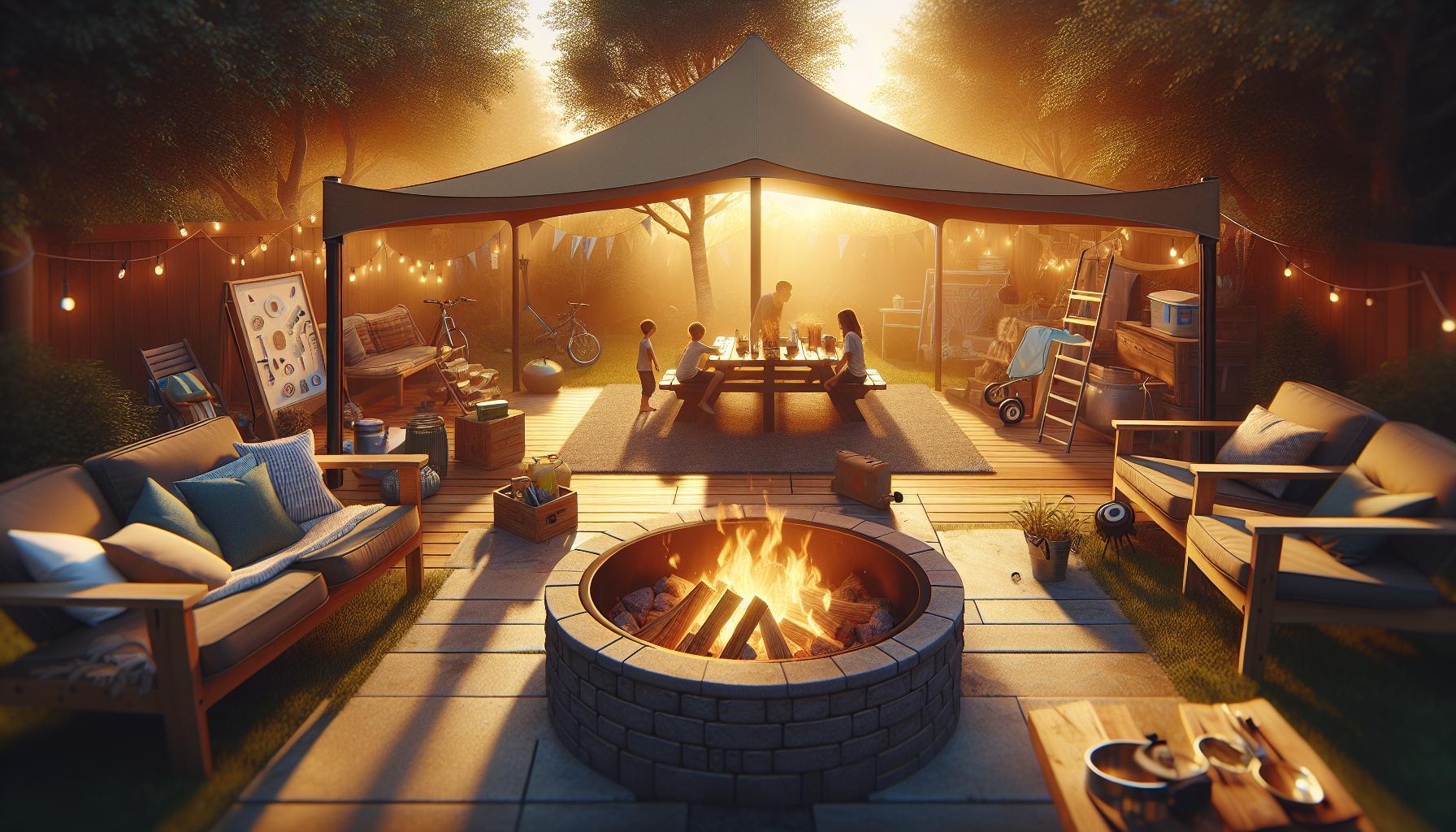
Fire pits are a beloved addition to outdoor spaces, offering warmth and a gathering spot for family and friends. But did you know that using lava rocks in your wood-burning fire pit can enhance both safety and aesthetics? Not only do these striking volcanic stones help retain heat effectively, but they also improve airflow, resulting in a more robust flame and a longer-lasting fire.
As families seek to create inviting outdoor environments, understanding the advantages of lava rocks is essential. Their unique properties make them more than just a decorative element; they provide insulation and help reduce smoke, making your experience more enjoyable and reducing hassle. Curious about how to incorporate lava rocks into your fire pit setup? In this guide, we’ll explore strategies and tips to ensure you make the most of this versatile landscaping material, creating a warm and inviting space for unforgettable moments together.
Choosing the Right Lava Rocks for Your Fire Pit
can transform your outdoor space into a cozy gathering place for family and friends. Not only do they add an aesthetically pleasing element, but they also serve practical purposes, enhancing the efficiency of your fire pit. With their ability to withstand high temperatures, lava rocks are an excellent choice for wood-burning fire pits, and selecting the right type can make all the difference in both functionality and visual appeal.
When selecting lava rocks, you’ll want to consider factors such as size, color, and texture. Size matters because it affects airflow and heat distribution within the fire, which contributes to a more efficient burn. Smaller lava rocks, typically around 1 to 2 inches, allow for better airflow, leading to a steady flame, while larger pieces can help create a more dramatic, rustic look. Additionally, you might want to select a size that complements the overall design of your fire pit and outdoor space.
Color and Texture
Lava rocks come in various colors, ranging from deep reds to lighter hues, allowing for personalization that matches your landscape or outdoor furniture. The vibrant reds not only offer a striking contrast against flames but can also be a talking point, making your fire pit the centerpiece of your backyard. When it comes to texture, smooth lava rocks can provide a more refined look, while rougher stones contribute a rugged aesthetic, complementing a naturalistic environment.
Safety and Maintenance are also crucial when choosing lava rocks. Ensure that the rocks are specifically labeled for use in fire pits to withstand high temperatures without cracking or exploding. Additionally, maintenance is straightforward; periodically check for ash buildup and replace any rocks that show signs of wear after extensive use.
By carefully choosing the right type of lava rocks for your fire pit, you’ll create a welcoming atmosphere that promotes family enjoyment while ensuring safety and efficiency. Embrace the charm of outdoor cooking and gathering as you watch the flames flicker and your space light up with warmth and joy!
Benefits of Using Lava Rocks in Wood Burning Fire Pits

Imagine hosting a cozy gathering around a warm, inviting fire pit, with the flames dancing playfully among stunning lava rocks. Not only do these natural wonders enhance the aesthetic appeal of your outdoor space, but they also offer significant functional benefits when used in wood-burning fire pits.
One of the most compelling reasons to incorporate lava rocks into your fire pit is their exceptional heat retention properties. These volcanic rocks absorb and radiate heat efficiently, ensuring that everyone stays warm during those chilly evenings. This characteristic is particularly beneficial for families looking to maximize their comfort during outdoor activities. The glow from the lava rocks not only creates a visually striking display but also enhances the ambiance, providing a welcoming atmosphere for gatherings.
Additionally, lava rocks serve as an effective barrier for the fire. They help distribute heat evenly, which can prevent hotspots and ensure a consistent flame. This can lead to better cooking results if you plan to grill or roast marshmallows over your fire pit. Their porous nature allows for improved air circulation, promoting a cleaner burn that reduces the amount of smoke produced. This is particularly advantageous in residential areas where smoke might pose a nuisance to neighbors.
Using lava rocks in your wood-burning fire pit also simplifies maintenance. Unlike traditional fire pit materials, they do not decompose or deteriorate over time, which means you’ll enjoy their lasting beauty without the concern of frequent replacements. Furthermore, lava rocks can help to suppress weed growth if used around your fire pit, providing a cleaner and more polished look to your outdoor space.
By choosing lava rocks for your fire pit, you’re not only investing in an attractive design element but also elevating the overall functionality and enjoyment of your outdoor experience. So, gather your loved ones, light up the fire, and enjoy the magical moments created in the warm embrace of a lava rock fire pit!
How to Prepare Lava Rocks for Optimal Use
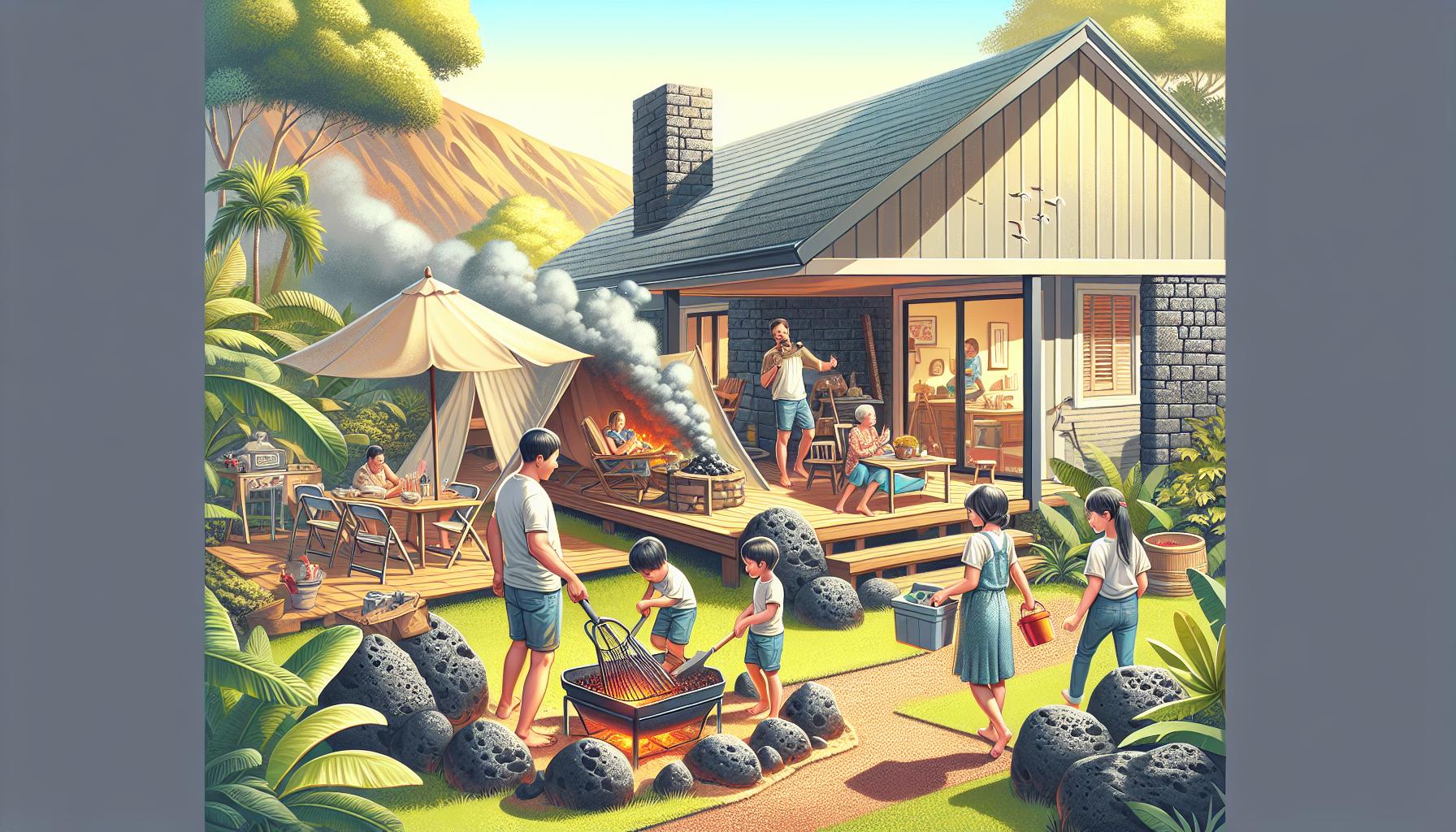
When it comes to elevating your outdoor space, ensuring that your fire pit not only looks great but also operates efficiently is a top priority. Lava rocks are an ingenious choice for this, as they provide excellent heat retention and distribution. Preparing them properly can maximize their effectiveness and ensure a safe, enjoyable fire pit experience for you and your loved ones. This preparation process may seem daunting, but with a few straightforward steps, you can easily set your fire pit up for success.
Start by selecting high-quality lava rocks, paying attention to the size and appearance. Ideally, you should choose rocks around 1 to 2 inches in diameter, which allows for optimal air circulation while still retaining heat. When you have your lava rocks, the first step is to give them a thorough wash. This not only removes any dirt or dust from transportation but also helps eliminate any residual odors. Simply rinse the rocks in a tub or using a garden hose until the water runs clear.
Once your lava rocks are clean, you can take this opportunity to manage their placement in your fire pit. Start with a sturdy base layer-this can include a mix of both smaller and larger lava rocks to allow air flow. After establishing a base, carefully layer your remaining rocks on top, ensuring a uniform spread across the fire pit’s surface. This layering technique not only enhances the appearance but also helps to improve heat retention, offering a cozy warmth for those chilly evenings outside.
Maintenance Tips for Best Performance
To keep your lava rocks performing at their peak, it’s essential to maintain them regularly. Here are some quick maintenance tips:
- Cleaning: After each burn, take a few moments to remove any food debris, ash, or soot that may have accumulated. Using a sturdy brush can help with this, ensuring that no harmful contaminants linger.
- Recovery: If you notice your lava rocks start to discolor or lose their vibrant appearance over time, consider replacing them every couple of seasons. This will not only enhance aesthetics but will also ensure that the rocks are functioning safely.
- Safety Check: Regularly inspect the rocks for any cracks or breaks. Damaged lava rocks can shatter when exposed to intense heat, posing a safety risk.
Just like preparing the perfect meal, setting up your fire pit with lava rocks requires attention to detail and a little creativity. The natural beauty of these rocks can transform your outdoor space into a cozy retreat, where stories are told and laughter resonates under the stars. Embrace this opportunity to gather your family, create lasting memories, and enjoy nights filled with warmth and joy in your backyard oasis!
Step-by-Step Guide: Setting Up Your Fire Pit with Lava Rocks
Setting up your fire pit with lava rocks is not only a practical choice but also a great way to enhance the aesthetic appeal and functionality of your outdoor space. Lava rocks can retain heat, promote efficient burning, and create a stunning visual backdrop for your cozy gatherings. Follow these straightforward steps to ensure a safe and enjoyable experience while enhancing the beauty of your fire pit area.
Preparation and Safety First
Before diving into the setup process, it’s crucial to ensure that your fire pit is in a suitable location and that you have all the necessary materials at hand. Start by selecting a level, fireproof surface, ideally in an open area away from overhanging trees or flammable structures. Gather the following items:
- Lava rocks (sized appropriately for your fire pit)
- A shovel or trowel
- A fire pit screen or cover
- Gloves for hand protection
- A level for even placement
Always prioritize safety by using a fire pit screen to keep sparks contained, and don’t forget to have a water source or fire extinguisher nearby.
Layering the Lava Rocks
Once you have your site ready and materials gathered, it’s time to layer those beautiful lava rocks. Begin by placing a layer of larger lava rocks at the bottom of your fire pit. This foundational layer will facilitate better airflow, ensuring a consistent burn. Aim for approximately 2-3 inches in depth.
Next, add a second layer of smaller lava rocks. These are what you’ll primarily see, and they not only enhance the appearance but also help with heat retention. A depth of about 1-2 inches for this top layer works well. As you layer, use your hands or a trowel to spread the rocks evenly, ensuring they cover the area without any gaps that could inhibit airflow or create hot spots.
Final Touches for Optimal Use
After layering your lava rocks, it’s time for the final touches to ensure a delightful experience around your fire pit. Clear away any debris or loose material from the fire pit’s edges to maintain a tidy appearance. Next, consider incorporating some decorative elements, such as fire glass or even natural stones, around the exterior of your fire pit. This not only provides a polished look but also helps manage heat dissipating from the lava rocks.
To ignite your fire efficiently, use dry kindling and seasoned firewood, placing your pieces in a teepee or log cabin structure on top of the lava rocks. As your fire burns, watch as the lava rocks retain the heat, radiating it outward, creating that perfect ambiance for family and friends to enjoy. Remember, keeping safety in mind is paramount, so never leave your fire unattended and ensure everyone maintains a safe distance.
Setting up your fire pit with lava rocks invites warmth and light into your evenings, making every outdoor gathering memorable. Enjoy the process of creation, and relish in the warmth that your new setup brings to your family’s outdoor enjoyment!
Safety Tips for Burning Wood with Lava Rocks
When it comes to enjoying a cozy fire with loved ones, the safety of your setup is paramount, especially when using lava rocks in your wood-burning fire pit. These natural stones not only enhance the aesthetic of your outdoor space but also provide excellent heat retention and even distribution. However, maintaining safety while burning wood with lava rocks is essential to ensure a positive experience that emphasizes both fun and responsibility.
Start by choosing high-quality lava rocks that are specifically designed for fire pits. Avoid using just any stone, as some can crack or explode when heated, posing serious risks. Before you begin, ensure that the lava rock bed is laid evenly in the fire pit, approximately two to three inches thick. This will help to insulate the fire and protect the walls of your fire pit from intense heat exposure. Regularly inspect the lava rocks for any signs of wear or damage, and replace them as needed to keep your fire pit safe and functional.
Safe Ignition and Maintenance
When igniting your fire, use dry, seasoned wood to minimize smoke and reduce the risk of creosote buildup in your fire pit. Always employ long-reach igniters or starters and avoid using accelerants like gasoline, which can lead to uncontrollable flames. Once your fire is burning, maintain a clear space around the fire pit, free of flammable materials such as leaves, wood piles, and decorations. Storing firewood at least 10 to 15 feet away from the fire pit not only protects your space but also improves airflow, which aids in burn control.
Supervision and Emergency Preparedness
Always supervise children and pets around the fire pit to ensure they maintain a safe distance and understand the dangers of fire. Create a zoning area, using chairs or other barriers to designate a safe space where everyone can relax without getting too close to the flames. Having a bucket of sand, shovel, or garden hose nearby is essential in case of an emergency, allowing for quick action if the fire spreads accidentally. Familiarize yourself with safe extinguishing methods; for example, use water with caution, as it can produce steam and ash that may reach beyond your intended area.
By carefully following these safety tips, you can create an enjoyable environment for gatherings while ensuring that your wood-burning fire pit with lava rocks remains a fun and safe focal point in your outdoor space. Embrace the warmth and ambiance these fires provide while keeping safety front and center-after all, the best memories are made when everyone stays safe and sound.
Maintenance and Care for Your Lava Rock Fire Pit
Creating and maintaining an outdoor space that radiates warmth and comfort can be an exciting project for families, especially when using a lava rock fire pit. Not only do these vibrant, lightweight stones enhance the beauty of your installation, but they also help to distribute heat evenly, prolonging those cozy evenings spent outdoors. However, to keep your fire pit functioning optimally and looking great, regular maintenance and care are essential.
To ensure your lava rock fire pit remains a captivating focal point for family gatherings, start with regular cleaning. After each use, allow the fire pit to cool entirely, then remove ash and debris that may accumulate. It’s advisable to use a small shovel or a vacuum designed for ashes to eliminate buildup, as this keeps your lava rock and fire pit in top shape. Sometimes, the lava rocks themselves can accumulate soot or ash that may dull their appearance. For these occasions, rinse them with water and scrub gently with a brush if necessary. Just be sure they’re thoroughly dry before reinserting them into the fire pit to prevent any unwanted moisture.
Inspecting for Damage
Regular inspections can help identify any wear and tear that might affect performance. Look for cracks or deformities in the lava rocks; when lava rocks do break down, they can create undesirable clumps that can block airflow, which is crucial for an efficient burn. If you notice significant damage, it’s worth replacing the compromised lava rocks. A good rule of thumb is to inspect your setup at the start of each season, ensuring you are prepared for those delightful chilly nights ahead.
Storage and Protection
When the outdoor season winds down, consider how you store your fire pit utensils and lava rocks. If your fire pit is not designed to withstand winter’s chill, cover it or store it indoors. Investing in a durable cover can shield it from snow, rain, or harsh UV rays that could lead to premature wear. Additionally, if you live in an area with freezing temperatures, remove and properly store your lava rocks during winter months. Get a sturdy storage bin to keep them dry and protected-a simple step that prolongs their life and utility.
Maintaining a lava rock fire pit is not just about cleanliness; it’s about preserving a space where families can gather and create lasting memories. With these simple tips, your outdoor oasis will continue to bring warmth, joy, and connection, allowing you to enjoy countless evenings filled with laughter and camaraderie around a glowing fire.
Common Mistakes to Avoid When Using Lava Rocks
When it comes to creating a cozy atmosphere around your wood-burning fire pit, using lava rocks is a brilliant idea due to their heat retention and aesthetic appeal. However, to truly enjoy the benefits they offer, it’s crucial to avoid some common pitfalls that can dampen your outdoor experience. Missteps in their selection or usage can lead not only to inefficient burning but also to safety hazards that could threaten your gathering’s joy.
One frequent miscalculation is selecting the wrong type of lava rock. While there are various lava rocks available, not every type is suitable for fire pits. Opt for specifically designed lava rocks that can withstand high temperatures without cracking or exploding. Typically, these will be darker in color and larger in size, creating a robust base for your fire. Ensure the rocks are dry before use, as moisture trapped in stones can lead to spitting and create a dangerous environment.
Another mistake is neglecting to adequately maintain the lava rocks. Over time, they can accumulate ash and debris, which can reduce airflow and affect burning efficiency. Regular cleaning not only enhances the appearance of your fire pit but also ensures that the lava rocks function properly. A simple rinse with water and a stiff brush can do wonders-just make sure to allow the rocks to dry completely before lighting your next fire.
Placement Matters
Where and how you place your lava rocks is equally important. Many people fail to create an adequately thick layer. A minimum of 2 to 3 inches of lava rock is recommended to allow for optimal air circulation while providing a sturdy base. Additionally, avoid overcrowding the fire pit with rocks, as this can hinder proper combustion and create excessive smoke.
Finally, always pay attention to the arrangement of your logs and the size of the fire. It’s easy to get carried away and stack logs too high, thinking it will result in a more extended burn, but this can smother your flame and lead to excessive smoke or unsafe conditions. Instead, aim for a balanced arrangement that allows for airflow, ensuring a clean burn while maintaining the warmth and ambiance you desire.
By being mindful of these common mistakes, you can transform your wood-burning fire pit experience, creating not just warmth but a welcoming space for family and friends to gather around. Happy firing!
Creative Ideas to Enhance Your Fire Pit Experience
Lava rocks are not only an eye-catching addition to your wood-burning fire pit but also provide practical benefits that enhance your outdoor experience. These unique stones can drastically improve heat retention and distribution, making your fire pit more efficient and enjoyable. Engaging with the natural aesthetic and functional qualities of lava rocks adds a fresh, creative touch that will captivate your family and friends during gatherings.
One of the key advantages of using lava rocks is their ability to retain heat. Once heated, they radiate warmth for an extended period, allowing your fire pit to remain cozy well into the evening. This characteristic makes them perfect for cooler nights when you want to extend your time outdoors. To create an inviting environment, consider layering the lava rocks in a decorative pattern. Flatter stones can be placed at the base, surrounded by larger, rougher pieces. This not only promotes better airflow for your fire but also creates a visually appealing landscape that could be a conversation starter.
Adding Ambient Lighting
Enhancing the ambiance of your fire pit area can transform your gatherings. Incorporate some twinkling lights or lanterns around the fire pit, complementing the glow of the lava rocks. String lights can be draped overhead or along the nearby trees, providing soft illumination that creates a warm and welcoming atmosphere. Additionally, consider using solar-powered garden lights or LED candles on tables for a rustic touch that harmonizes with your outdoor setting.
Cozy Seating Arrangements
Comfort is key to enjoying your fire pit experience. Create a cozy seating area around your fire pit using a mix of comfortable outdoor chairs, benches, or even large cushions. Arrange your seating in a semi-circle facing the pit to foster conversation and connection. If you’re feeling creative, build a rustic wooden bench or use reclaimed materials to craft unique pieces that reflect your style. Don’t forget to add some outdoor throws or pillows for extra comfort, ensuring that everyone feels snug as they gather around the flames.
By integrating these elements with your lava rock fire pit, you not only enhance the functional use of the fire pit but also elevate the overall experience. Whether you’re roasting marshmallows with the kids or sharing stories with friends, creating a spirited and warm environment will make your outdoor space a cherished retreat for years to come. Embrace the creativity of your surroundings, and watch as your simple fire pit transforms into a remarkable gathering spot.
Comparing Lava Rocks to Other Fire Pit Materials
Creating the perfect ambiance around a wood-burning fire pit isn’t just about the flames; it’s also about the materials surrounding it. Among the various options available, lava rocks stand out due to their unique properties and aesthetic appeal. Yet, how do they measure up against alternative materials? Understanding the comparison can enhance not just safety but also the visual and functional aspects of your outdoor space.
One significant advantage of lava rocks is their ability to withstand high temperatures without cracking or breaking down, a common issue with products like river rocks or decorative stones. The porous nature of lava rocks allows for excellent airflow, ensuring that your fire burns evenly and efficiently. This is particularly beneficial for families looking to maximize heat output while keeping warmth close during chilly evenings. In contrast, materials like sand or gravel may retain heat but do not facilitate airflow, resulting in a less efficient burning experience.
When it comes to aesthetics, lava rocks offer a striking look, with their rugged texture and earthy tones, enhancing the visual interest of the fire pit area. This feature can complement various outdoor styles, from modern minimalist designs to rustic outdoor lounges. Materials such as concrete blocks or bricks might provide rigidity and stability, but they may lack the natural allure found in lava rocks. Using lava rocks also adds a charming touch to your landscaping, enabling you to create a cohesive and inviting atmosphere for family gatherings or casual evenings.
For families concerned about safety, it’s worth noting that lava rocks are lighter and easier to manage than many other options. Their lightweight nature allows for simple installation and relocation, making adjustments to your fire pit area a breeze. Additionally, since they are naturally occurring minerals, they are less likely to emit harmful gases or chemicals, ensuring a safer environment for children and pets. Meanwhile, synthetic materials often come with additives that might not be as eco-friendly.
In summary, while exploring fire pit materials, lava rocks present themselves as a superior choice when considering durability, safety, and aesthetic appeal. They not only enhance the fire’s performance but also elevate your outdoor ambiance, making for memorable family moments around the fire. With their natural beauty and functional benefits, lava rocks are an investment in an enjoyable and safe outdoor experience.
Eco-Friendly Benefits of Using Lava Rocks
Using lava rocks in your wood-burning fire pit offers a plethora of eco-friendly advantages, making them a sustainable choice for those eager to enjoy outdoor gatherings without compromising the planet. Did you know that lava rocks are formed from cooled and solidified magma? This natural process not only creates beautiful, porous stones that radiate warmth efficiently but also represents a resource that requires no artificial manufacturing, making it an excellent environmentally conscious option.
One of the most appealing aspects of lava rocks is their ability to help regulate heat and promote airflow. When you use them as a base in your fire pit, the porous nature of the rocks allows for improved air circulation, which enhances combustion. This means that your fire will burn more efficiently, requiring less wood over time. By reducing the amount of firewood consumed, you’re directly decreasing deforestation and contributing to the health of our forests. Plus, the longer burn time means you can enjoy cozy evenings by the fire with friends and family without the constant need to add more fuel.
Another compelling benefit of lava rocks is their durability and longevity. Unlike traditional fuels, which must be constantly replenished, these stones can endure extreme temperatures without breaking down or requiring replacement in a short timeframe. This longevity translates to less waste and less frequent trips to the store for replacements, which not only saves you money but also reduces your carbon footprint associated with transportation and production. When combined with your eco-conscious lifestyle, this feature promotes sustainability in your outdoor activities.
Furthermore, using lava rocks offers an aesthetic touch that’s hard to beat. Their natural hues complement any outdoor décor and blend seamlessly into a variety of landscaping styles. You can even use these vibrant stones to create unique designs within your fire pit or as part of your yard, adding a personalized flair that reflects your family’s style. So not only are you making a responsible choice for the environment, but you’re also crafting an inviting space that welcomes both gatherings and tranquility.
In summary, integrating lava rocks into your fire pit setup serves both aesthetic and ecological purposes. By choosing to use this natural material, you’re playing a role in promoting sustainable practices while enjoying the beauty and warmth of your outdoor spaces.
Upcycling and Reusing Lava Rocks for DIY Projects
When you think of lava rocks, many might conjure images of outdoor fire pits, flickering flames and cozy gatherings under the stars. But these delightful stones, formed from volcanic eruptions, are not just practical for fire pits; they can also serve as a fantastic base for a multitude of DIY projects. Upcycling and reusing lava rocks allows you to harness their unique beauty and functionality, adding charm and sustainability to your outdoor décor. From garden edging to decorative features, the possibilities are endless!
One engaging way to use lava rocks is in the creation of a stunning garden pathway. These resilient stones can be arranged in paths to guide the eye and feet through your garden, providing a textured contrast to the lush greenery. Here’s how to get started:
- Plan Your Path: Decide on the design of your pathway. A straight line gives a clean look, while winding paths can create an inviting, natural feel.
- Prepare the Ground: Clear away grass and weeds where the pathway will go and compact the soil gently.
- Place the Rocks: Lay your lava rocks down in your desired pattern. Consider leaving gaps if you want to plant small ground covers or succulents between the rocks for added greenery.
- Secure the Edges: Use smaller stones or mulch to stabilize the edges of your path and prevent any shifting.
With an afternoon of effort, you’ll create a beautiful and functional pathway that invites exploration and enhances your outdoor space.
Another exciting project could be using lava rocks as unique garden planters. Their porous structure allows for good drainage while providing an aesthetic appeal that can make your plants stand out. Here’s how to transform them into eye-catching planters:
- Select Your Rocks: Look for larger pieces of lava rock that can accommodate plants, or create a cluster of smaller rocks for a mini-garden effect.
- Prepare the Planting Area: Hollow out a section of the rock where you’ll place the soil and plants. Ensure that there are enough pores for drainage.
- Add Soil and Plants: Fill the hollowed area with potting mix suitable for your chosen plants. Succulents and small flowering plants thrive in these environments.
This not only showcases nature’s beauty but also promotes sustainable gardening practices by minimizing waste.
Lastly, consider using lava rocks for windbreaks in your outdoor seating areas. They can be stacked strategically to create low walls that help shield your family from strong gusts, making your fire pit area more enjoyable. With a bit of planning and creativity, these natural stones can transform your outdoor space into a cozy and inviting haven for family gatherings.
Embrace these DIY projects with enthusiasm, making sure to wear gloves and protective gear as you work with rocks and tools. Your outdoor oasis awaits-let your imagination and creativity shine as you repurpose lava rocks into stunning features that the whole family can enjoy!
Exploring Lava Rock Fire Pit Accessories and Upgrades
Creating the perfect ambiance in your outdoor space often involves more than just a basic fire pit. Integrating lava rock with your wood-burning fire pit is a smart move, not only for aesthetic appeal but for functionality as well. While lava rocks serve as excellent heat retentions, they can also be complemented with various accessories and upgrades to enhance your outdoor experience. Imagine cozy evenings with family gathered around a stunning setup that transcends ordinary, transforming your backyard into a captivating retreat.
One of the first accessories to consider is a fire pit screen. A sturdy screen adds a layer of safety by containing sparks and embers while enhancing the overall look of the fire pit. Choose a design that fits your style-mesh screens provide functionality with a minimalist approach, while decorative screens can add a pop of character. Additionally, you might want to explore fire pit tools like long-handled pokers and tongs. These tools not only assist in safely arranging your wood but also encourage interaction, making your family gatherings fun and engaging.
Accessorizing with Comfort and Style
To elevate your fire pit area, consider investing in comfortable seating and outdoor cushions. Weather-resistant cushions not only offer comfort but also allow you to express your personal style. Throw in a few cozy blankets for those chilly nights, and your outdoor fire pit becomes a welcoming haven. You can also incorporate smart lighting solutions, such as string lights or solar-powered lanterns, to create a magical ambiance that draws your family outside even after the sun goes down.
Another option is to enhance your fire pit with decorative elements, such as heat-resistant decorative stones or glass rocks. These can add visual interest and come in various colors and shapes to match your outdoor décor. If you’re feeling particularly creative, why not involve the whole family in a DIY project to personalize your fire pit? Paint or customize wooden seating or create a custom-built fire pit surround-these touches can transform an ordinary fire pit into a spectacular centerpiece of your outdoor living space.
In summary, upgrading your wood-burning fire pit with functional and decorative accessories can have a profound impact on your outdoor experience. By blending safety, comfort, and creativity, you’ll inspire your family to gather around the fire more often, creating cherished memories while enjoying the natural warmth and beauty of your lava rock fire pit.
Frequently Asked Questions
Q: What are lava rocks, and why are they used in wood-burning fire pits?
A: Lava rocks are porous volcanic stones that retain heat well, making them ideal for wood-burning fire pits. They help distribute heat evenly and can enhance the aesthetic appeal of your fire pit setup while reducing the risk of overheating and damaging the fire pit itself.
Q: How do I properly use lava rocks in my fire pit?
A: To use lava rocks in your fire pit, spread a layer about 2-4 inches deep over the base. This layer acts as a heat retainer and helps with airflow. Ensure the rocks are dry before use to minimize smoke and ash.
Q: Can lava rocks explode in a fire pit?
A: While lava rocks are generally safe, they can explode if they contain trapped moisture. Always dry the rocks thoroughly before using them in a fire pit to prevent any hazards.
Q: How do I clean lava rocks after using them in a fire pit?
A: To clean lava rocks, allow them to cool completely, then remove ashes and debris. Rinse them with water to eliminate soot and dirt. For stubborn stains, consider soaking them in a mixture of vinegar and water before rinsing.
Q: Are there specific types of lava rocks to use for fire pits?
A: It’s best to use food-grade lava rocks that are specifically labeled for use in fire pits. These types are designed to withstand high temperatures and provide safety and longevity compared to regular landscaping rocks.
Q: Why should I choose lava rocks over other fire pit materials?
A: Lava rocks offer superior heat retention, are lightweight, and minimize ash buildup compared to alternatives like gravel or sand. Their porous nature allows for better airflow, enhancing the efficiency of your fire pit.
Q: How often should I replace lava rocks in my fire pit?
A: Replace lava rocks every few years or when they show signs of significant wear, such as discoloration or crumbling. Regular maintenance will ensure your fire pit continues to function optimally and looks great.
Q: Can I use lava rocks for other outdoor projects besides fire pits?
A: Yes, lava rocks are versatile and can be used in landscaping, as mulch for plants, or even in walkways. Their aesthetic appeal and moisture retention capabilities make them a great choice for various outdoor applications.
These FAQs not only provide concise answers but also invite readers to explore further, ensuring clarity and utility for questions related to using lava rocks in wood-burning fire pits. For more information on lava rock uses, check out our detailed article on landscaping with lava rocks.
To Wrap It Up
Thank you for diving into the wonderful world of lava rocks for your wood burning fire pit! By now, you should have a solid understanding of why these natural stones are essential for enhancing your outdoor experience. Not only do they provide superior heat retention and aesthetics, but they also promote safer, more efficient burning. If you’re ready to elevate your fire pit game, why not grab some lava rocks today and transform your space into the cozy retreat you’ve always envisioned?
Still unsure? Check out our informative guides on Choosing the Right Fire Pit for Your Backyard and Tips for Maintaining Your Outdoor Space to address any lingering questions. And don’t forget to subscribe to our newsletter for exclusive tips, special offers, and inspiration for all your outdoor projects!
We’d love to hear about your fire pit adventures! Share your thoughts in the comments below, or connect with us on social media. Remember, creating an amazing outdoor space is just a few steps away, so let’s spark those backyard memories together!