


Transforming your outdoor space into a cozy haven begins with the subtle art of arranging lava rocks on your gas fire pit. Did you know that the right placement of these volcanic stones can enhance airflow, optimize heat distribution, and elevate your backyard aesthetic? Mastering this technique not only boosts the performance of your fire pit but also creates a stunning visual focal point for gatherings with family and friends.
As you prepare to design your cozy retreat, understanding how to effectively position these rocks is crucial. Whether you’re looking to create a warm ambiance for a summer evening or simply want to ensure your fire pit functions safely and efficiently, this guide will provide you with expert tips and practical insights. Dive in to discover how to maximize your fire pit experience and make memorable moments around the flickering flames!
Choosing the Right Lava Rocks for Your Fire Pit
Choosing the right lava rocks can dramatically enhance both the functionality and aesthetic appeal of your gas fire pit. These natural volcanic stones not only serve as a heat-efficient base but also provide a captivating backdrop to dancing flames, transforming your outdoor space into a cozy retreat. When selecting lava rocks, it’s essential to consider factors such as size, color, and type to ensure they meet your needs while adding beauty and safety to your fire pit experience.
Understanding the Different Sizes and Types
Lava rocks come in various sizes, typically ranging from 1 to 3 inches. Choosing the right size is crucial; larger stones may create less airflow and thus less efficient burning, while smaller stones can fall through the grate if it’s too wide. It’s advisable to choose rocks that will cover the base adequately while also allowing for proper gas flow. For example, a mix of sizes, like combining 1-2 inch rocks with some smaller ones, can help achieve a balanced and visually appealing arrangement.
Additionally, you may choose between black or red lava rocks, depending on your design preference. Black lava rocks are popular for their sleek, modern appeal, while red lava rocks can evoke a more earthy, rustic vibe. This aesthetic choice not only enhances your fire pit but also complements surrounding landscaping and outdoor decor.
Where to Source Quality Lava Rocks
Quality matters when it comes to lava rocks. Always opt for reputable suppliers who provide durable, heat-resistant products. Local home improvement stores, like The Home Depot, offer packaged lava rocks specifically designed for fire pits and fireplaces. These natural volcanic products are often not only visually striking but also promote effective heat distribution and are cost-effective fillers for your space [[1]]. Stanbroil’s options also present a viable middle range for both color varieties, packaged in convenient 10-lb bags [[2]].
Practical Tips for Arranging Lava Rocks
Once you’ve gathered your lava rocks, arranging them effectively makes all the difference. Here are some practical tips to consider:
- Layering: Begin with a solid base layer to allow space for gas flow. Use larger lava rocks at the bottom to create stability.
- Vary the Pattern: Mix different sizes and colors to create visual interest. A random but balanced arrangement often looks best.
- Keep Safety in Mind: Ensure rocks are placed securely and avoid overfilling, which can obstruct gas vents.
By thoughtfully choosing and arranging your lava rocks, you create not just a safe and efficient fire pit but also an inviting gathering spot for family and friends. This simple yet crucial step can elevate your outdoor setting and provide countless nights filled with warmth and enjoyment.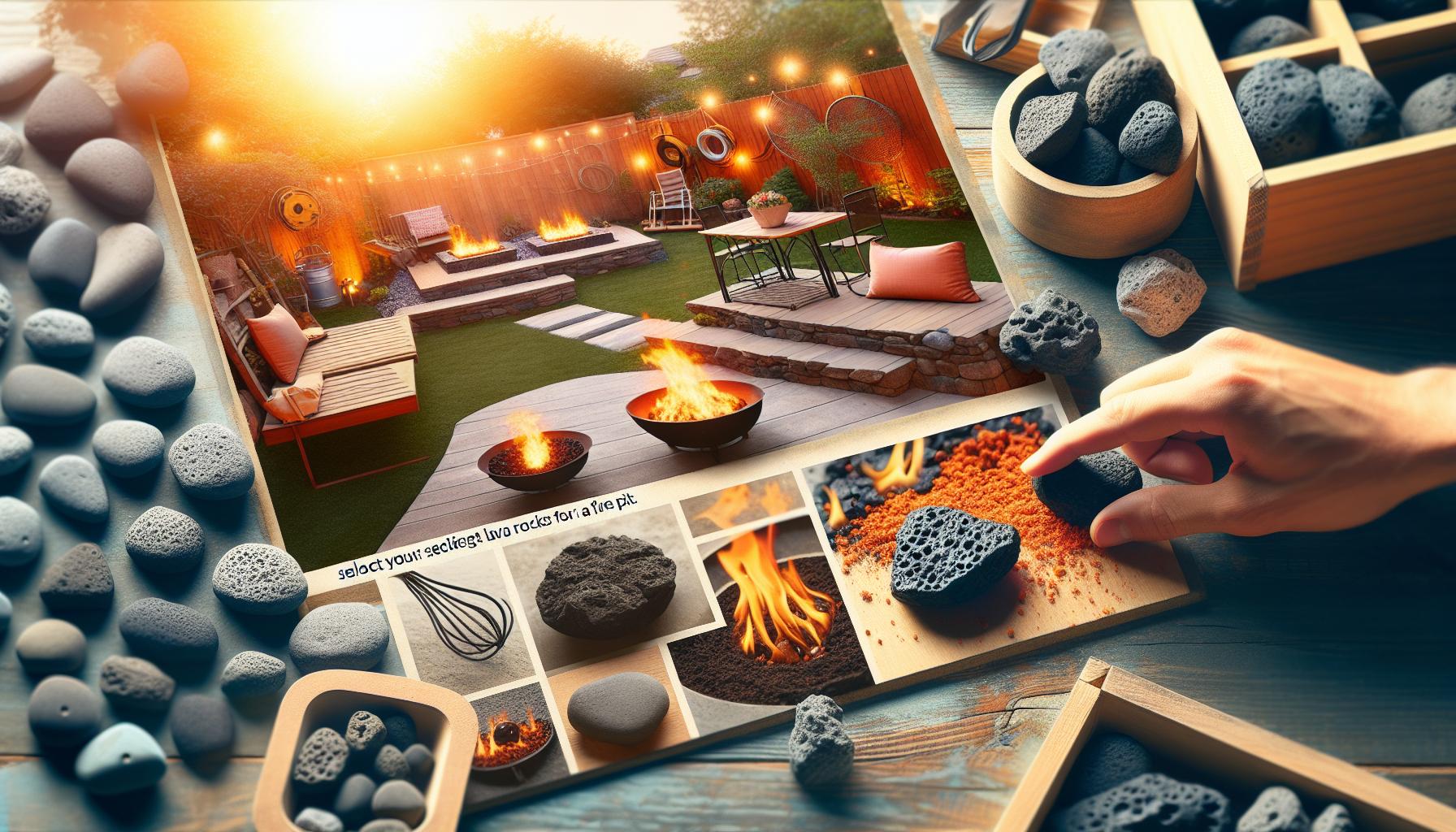
Understanding the Role of Lava Rocks in Gas Fire Pits
is essential for both functionality and aesthetic appeal. These natural stones, born from volcanic activity, are ideal for outdoor fire features due to their unique properties. One captivating fact about lava rocks is their ability to retain and radiate heat evenly; this ensures that everyone gathered around your fire pit experiences consistent warmth, keeping the atmosphere inviting and cozy during those starry nights.
Lava rocks play a pivotal role not only in heat retention but also in enhancing airflow within the fire pit. Proper airflow is crucial for a well-functioning gas fire pit, as it allows the flames to breathe and burn efficiently. When arranging lava rocks, consider creating spaces that permit airflow while avoiding dense packing. This method not only promotes a lively fire but also prevents premature wear on your gas burners, making your fire pit safer and more durable over time.
Another aspect to consider is the visual impact that lava rocks bring to your outdoor space. Their varied colors and textures reflect light beautifully, adding a dynamic element to the flames. By cleverly arranging these stones, you can create stunning designs that complement the style of your backyard while providing a functional layer of protection for your gas burners. Mixing different sizes and shapes of lava rocks can further enhance this effect, capturing the eye of your guests and transforming your fire pit into a focal point of your outdoor area.
In summary, the thoughtful arrangement of lava rocks in your gas fire pit can improve heat distribution, enhance safety, and elevate the overall visual appeal of your outdoor gatherings. Embrace the opportunity to create a warm, inviting ambiance for family and friends by selecting and arranging your lava rocks with care. This not only promotes enjoyment and comfort but also sparks creativity, turning your outdoor space into a cherished retreat for unforgettable moments.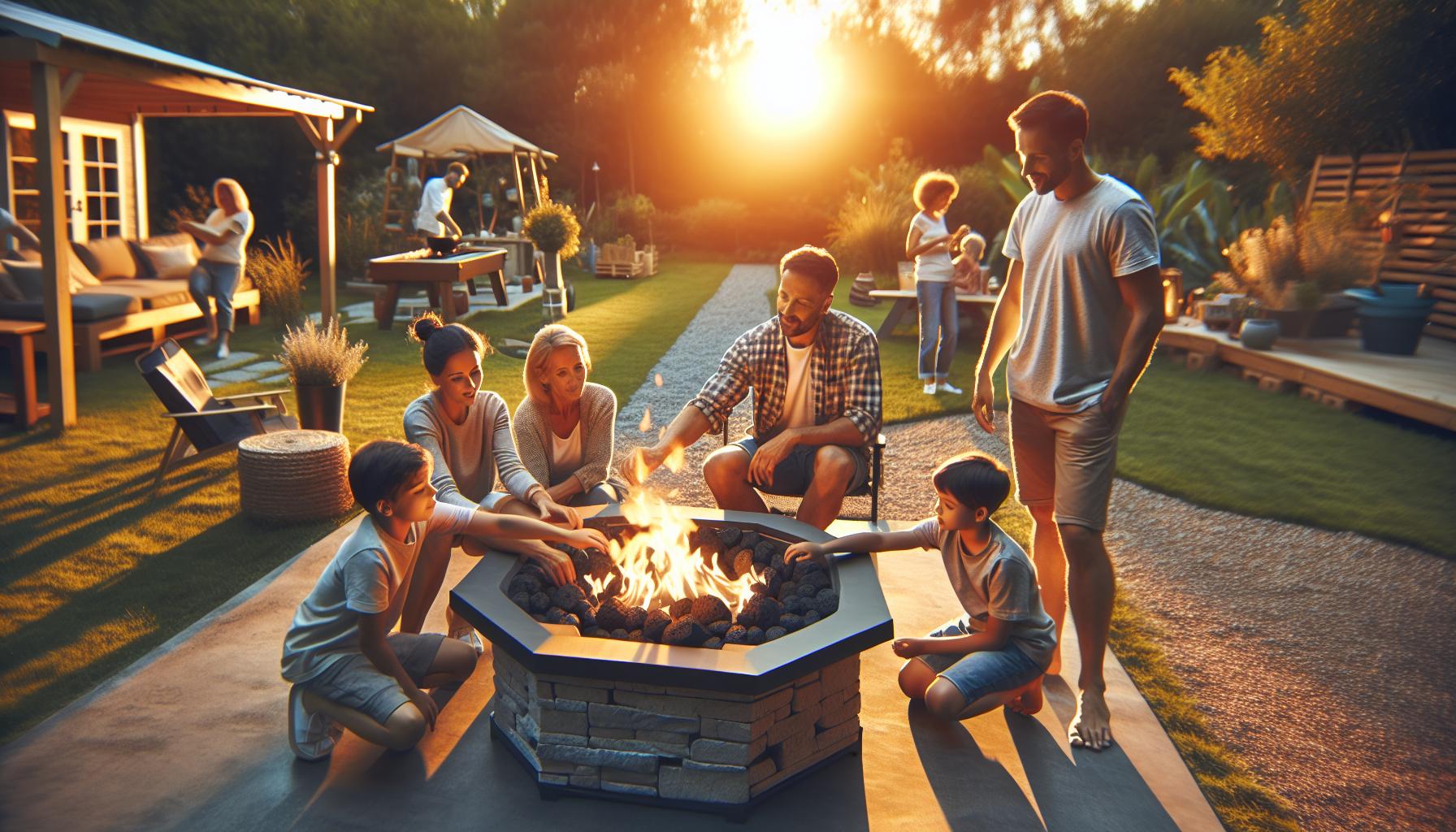
Step-by-Step Guide to Arranging Lava Rocks
Creating an inviting space around your gas fire pit with lava rocks is not only visually appealing but also enhances the experience of your outdoor gatherings. The right arrangement can improve heat distribution and airflow, making your fire pit more efficient. Follow these straightforward steps to master the art of arranging lava rocks for a stunning and cozy ambiance.
Prepare the Base
Start by ensuring the fire pit base is clean and flat. Remove any debris, ashes, or leftover materials from previous uses. This foundation will set the stage for your lava rock arrangement and help to avoid any irregularities that could affect performance. A well-prepared base ensures your lava rocks sit evenly, allowing for optimal airflow and heat retention.
Choose Your Lava Rocks
Selecting the right type and size of lava rocks is crucial. Aim for stones that range from 1 to 2 inches in diameter, as this size promotes good airflow and enhances the aesthetic appeal of your fire pit. You can find various colors, such as black or red, which can complement your outdoor decor. Remember, the denser the rocks, the better they will retain heat, creating a warmer atmosphere for your gatherings. Consider purchasing from reputable suppliers who guarantee consistent sizing and quality, enhancing the overall experience and efficiency of your fire pit setup [[2]].
Layering Technique
Begin by adding a layer of lava rocks to the bottom of the fire pit, covering the burner completely. This initial layer should be about 3 inches deep. Make sure the rocks are evenly spaced to allow for sufficient airflow which is vital for the flames to thrive. Once the first layer is laid, add a second, more decorative layer. Consider using larger stones or mixing colors to create a visually appealing effect. This strategy helps not only in aesthetics but also in reflecting the warmth of the fire outwards, making your outdoor space more inviting and warm.
Finishing Touches
After arranging the rocks, stand back and assess your design. Make adjustments if necessary, ensuring that no rocks obstruct the burner ports and that they’re well-distributed for optimal aesthetics. It’s recommended to leave a small gap around the burner area; this allows flames to rise freely without blockage. Finally, to maintain safety, always double-check that the rocks are clean and free of any flammable debris, ensuring that your setup is not only beautiful but also safe for family and friends to enjoy.
By following these simple steps, you’ll create a captivating and efficient lava rock arrangement that perfectly complements your gas fire pit, transforming your outdoor area into a cozy oasis for your family and friends to gather around. Enjoy your warm evenings filled with laughter and joy, surrounded by the crackling fire and the mesmerizing glow of your newly arranged lava rocks!
Optimizing Airflow: Importance of Spacing
Creating a warm and inviting atmosphere around your gas fire pit isn’t just about aesthetic appeal; it’s also about ensuring efficiency and safety. Proper spacing and arrangement of lava rocks play a crucial role in optimizing airflow, which in turn enhances the flames’ performance and the overall heat distribution of the fire feature. When arranged thoughtfully, these rocks not only look stunning but also allow for better combustion by facilitating oxygen flow.
To begin with, it’s essential to consider the porous nature of lava rocks. These rocks provide natural pathways for air to move freely, ensuring that your flames are not stifled. For optimal airflow, aim for a staggered arrangement that promotes irregularity in shape and height. This technique creates pockets of air that can help fuel the fire, resulting in a more vibrant flame. By layering the rocks in varying sizes, you can create depth, enhancing both the visual appeal and functional efficiency of your fire pit.
When arranging your lava rocks, be cautious not to overcrowd the space. A densely packed configuration can lead to reduced airflow, diminishing the fire’s intensity and making it harder to maintain an even burn. Instead, opt for a more open configuration where rocks are spaced out adequately. Aim for the rocks to rest comfortably on the burner without fully covering it; this balance will keep the flames dancing and lively. As you design your layout, consider the fire pit’s ambient surroundings and how an effective arrangement can impact not only heat efficiency but also the overall experience enjoyed by family and friends.
Incorporating these strategies will help you unlock the potential of your gas fire pit. With the right spacing of lava rocks, you’ll not only achieve a stunning centerpiece for gatherings but also ensure that your flames burn brightly and efficiently throughout chilly evenings. Embrace the creativity of arranging lava rocks, and prepare to enjoy a more enjoyable and effective outdoor space!
Creative Patterns for Lava Rock Arrangement
Creating a visually appealing and efficient arrangement of lava rocks in your gas fire pit can transform your outdoor space into a cozy and inviting haven for family gatherings. While proper functionality is essential, the artistic aspect of arranging the rocks can enhance the overall ambiance, making your fire pit a stunning centerpiece. Here are some creative patterns and practical tips to inspire your lava rock placement.
To start, consider the layering technique, where you place different sizes of rocks in a visually striking way. Begin with larger lava rocks at the base, creating a stable foundation, then stack smaller rocks on top, slightly varying their positions to break the monotony. This not only aids in heat distribution but also introduces texture and depth to your arrangement. The contrasting sizes keep the eye engaged and can complement your outdoor decor, making the fire pit an attractive focal point during evening gatherings.
Another popular method is the spiral pattern, which creates a sense of movement and flow. To achieve this look, arrange the rocks in a spiraling manner around the burner, starting from the center and working your way outward. This arrangement draws attention to the center flame while ensuring that gases can escape efficiently. The spiral can symbolize unity and warmth, making it a perfect design for family-friendly spaces. For an added creative touch, consider using a mix of colored lava rocks available in various hues to add vibrancy to your spiral.
For those looking to add a touch of elegance, a geometric layout may be the way to go. Using a symmetrical design, place the rocks in a checkerboard or diamond pattern. This meticulous arrangement brings an air of sophistication to your fire pit, making it suitable for more formal gatherings or evening parties. Ensure that each piece is evenly spaced for an eye-catching symmetry that enhances the fire’s glow.
Lastly, don’t forget about safety and practicality when designing your lava rock display. Always keep in mind that the arrangement should allow for proper gas flow and not obstruct the burner ports. Eventually, your creative efforts will lead to an inviting atmosphere that encourages warmth, storytelling, and connections with loved ones. By combining creativity with careful planning, you can craft an outdoor retreat that is both functional and aesthetically pleasing.
Enhancing Flames: Strategic Lava Rock Placement
Creating an inviting atmosphere around your gas fire pit is not just about the fire itself; it’s also about how you strategically place materials like lava rocks to enhance the flames. Did you know that the arrangement of these volcanic stones can significantly influence heat distribution and flame aesthetics? By thoughtfully arranging your lava rocks, you can achieve not only a visually stunning centerpiece but also an efficient and safe burn that keeps your outdoor gatherings warm and enjoyable.
When placing lava rocks, consider the following tips for optimal results:
- Surface Preparation: Begin with a clean and dry surface. Remove any debris or ash from previous uses to ensure proper airflow and effective heat distribution.
- Creating Layers: Layer the lava rocks, using larger pieces at the bottom to provide stability and smaller pieces on top to allow for better flame exposure. This layered approach encourages consistent flame height and can produce a more dynamic visual effect.
- Airflow Considerations: Leave spaces between the rocks to promote airflow. Adequate air circulation is vital for the gas burner to function properly, producing flames that are both vibrant and steady.
- Flame Coverage: Position the rocks around the burner in a way that it is mostly covered yet still allows flames to emerge. This not only enhances the flame’s appearance but also protects the burner from debris, prolonging its life.
- Experimentation: Don’t be afraid to try different arrangements! Each setup can lead to different flame effects. Adjust placements based on your aesthetic preference and how you want the flames to dance and flicker.
Remember, the goal is to achieve a balance between aesthetics and functionality. Carefully arranged lava rocks can transform your fire pit into a warm, glowing centerpiece that draws friends and family together on chilly evenings. Ensure every family gathering is memorable as flames flicker beautifully across strategically placed stones, creating a cozy, inviting environment while keeping safety in mind.
Maintaining Your Lava Rocks for Longevity
To keep your outdoor oasis shining brightly, regular maintenance of your lava rocks is essential. These unique pieces not only enhance the aesthetic of your gas fire pit but also ensure safety during use. By adopting a few straightforward practices, you can protect your investment and enjoy the beauty of your lava rocks for years to come.
Routine Cleaning
Start by addressing dirt and debris that can accumulate over time. A simple rinse with water after each use can help prevent buildup. For more stubborn stains, try using a mixture of white vinegar and water. This natural cleaning solution is effective against mold, moss, and algae, preserving the vibrant colors of your lava rocks without using harsh chemicals. Simply spray the mixture onto the rocks, let it sit for a few minutes, then scrub gently with a brush or cloth before rinsing thoroughly with water [[1]](https://wigglywisdom.com/how-to-clean-lava-rock/) [[2]](https://greenpacks.org/what-is-the-best-way-to-clean-lava-rocks/).
Preventing Weeds and Grass Growth
In addition to cleaning, preventing unwanted plant growth around your fire pit will help maintain the appearance of your lava rocks. Weeds can tarnish the visual appeal and attract moisture, leading to decay. Regularly check the area for weeds and pull them out as soon as they appear. Consider using landscape fabric underneath the lava rocks to hinder weed growth while allowing water drainage. This proactive approach reduces the need for major cleanings and further enhances the aesthetic of your outdoor space.
Sheltering from the Elements
Another tip for longevity is to shield your lava rocks from adverse weather conditions. If your fire pit is exposed to heavy rain or snow, consider using a protective cover when it’s not in use. This simple step minimizes the exposure to moisture that can lead to deterioration or algae growth. During colder months, giving your lava rocks a break from the elements can help maintain their structural integrity and appearance.
Regular Inspections
Finally, make regular inspections part of your outdoor routine. Look for any cracks or unusual discolorations in the lava rocks, which could indicate wear and tear. If you notice any that are damaged beyond cleaning, consider replacing them to ensure your fire pit remains safe and visually appealing.
By incorporating these tips into your regular home maintenance routine, you’ll not only extend the life of your lava rocks but also create a welcoming atmosphere for family gatherings and cozy evenings by the fire. Embrace the beauty of your outdoor space with confidence, knowing that these small steps can lead to lasting enjoyment.
Safety Tips When Using Lava Rocks
When planning to use lava rocks in your gas fire pit, safety should always be your top priority. These natural wonders not only add a striking aesthetic to your outdoor space but can also pose risks if not handled correctly. Understanding the properties of lava rocks is essential; they are porous and can absorb both heat and moisture, which can lead to potential hazards when heated. By following some straightforward safety tips, you can ensure a safe and enjoyable experience while enhancing your outdoor ambiance.
Handling Lava Rocks Safely
When arranging lava rocks on your gas fire pit, it’s important to keep a few safety considerations in mind. First, always wear protective gloves while handling the rocks to prevent scratches or cuts from their rough surfaces. Additionally, due to their ability to retain heat, let the lava rocks cool down completely after use before touching or moving them. This helps avoid burns-a critical step for anyone, especially families with children or pets around.
Preventing Potential Hazards
Before using lava rocks in your fire pit, ensure they are clean and free from dust or debris. Contaminants can produce harmful smoke or odors when heated. Another crucial tip is to avoid using small lava rock pieces in a gas fire pit, as these can become dislodged, posing risks of clogging the gas lines or causing sparks. Instead, opt for larger pieces that will stay securely in place.
Keep an eye on the weather conditions as well! If it rains, inspect the lava rocks and your gas fire pit setup before reusing them; water can seep into the porous rocks, causing steam to escape violently when heated.
Enjoying Your Fire Pit Experience
While it’s essential to be cautious, don’t forget to have fun! Set up your fire pit with beautiful arrangements of lava rocks and gather your family for an evening of storytelling or stargazing. Just remember to maintain a safe distance from the flame, ensure there is a proper fire extinguisher nearby, and establish safety rules for children while around fire features. With these guidelines in mind, your outdoor gatherings can be both comfortable and enchanting!
Equipped with these safety tips for using lava rocks, you can confidently create a stunning centerpiece with your gas fire pit, combining beauty and safety for memorable evenings with family and friends.
Common Mistakes to Avoid with Lava Rocks
When transforming your outdoor space with a gas fire pit adorned with lava rocks, the last thing you want is for your effort to go up in smoke due to avoidable mistakes. Many homeowners are captivated by the idea of using these volcanic stones for their striking appearance and excellent heat drainage properties, but some common pitfalls can dampen the experience and compromise safety. To help you achieve that perfect blend of function and style, let’s delve into the essential missteps to dodge when arranging lava rocks around your fire pit.
One of the most significant errors is neglecting to establish a proper base before placing your lava rocks. Lava rocks are incredibly porous and can shift easily if not set properly. If you skip laying down a landscaping cloth or similar barrier, weeds may creep up between the rocks, turning your elegant setup into a messy area. Furthermore, ensure you arrange the lava rocks at the recommended level, ideally around one inch deep, to create a stable surface that enhances airflow while preventing them from blowing away or shifting around due to wind or activity.
Another critical oversight is overcrowding the fire pit area with too many lava rocks. While they add a nice visual element, too many can obstruct the efficient operation of your gas fire pit, limiting air circulation essential for combustion. Aim for a balanced and open arrangement rather than a dense layer, allowing flames to burn brightly and efficiently. This approach not only maximizes your fire pit’s heating capabilities but also creates a pleasant ambiance for those cozy evenings outdoors. Additionally, be mindful of the spacing and distribution; it’s performance over aesthetics when it comes to fire safety.
Safety is paramount when working with any fire feature, and arranging lava rocks improperly can lead to hazards. Avoid placing flammable materials near your fire pit and ensure that the rocks maintain a safe distance from any structures. Also, look out for larger or jagged pieces of lava rock that could potentially break off and become dangerous projectiles when heated or disturbed. Taking the time to select appropriately sized rocks and ensuring a secure arrangement will help you create an inviting and safe outdoor space for family gatherings and relaxing evenings under the stars.
In conclusion, creating a stunning ambiance around your gas fire pit with lava rocks elevates your outdoor experience, but careful attention to these common mistakes will protect your investment and enhance your enjoyment. By laying a solid base, avoiding overcrowding, and prioritizing safety, you’ll enjoy the warmth of your fire pit long into the night while making lasting memories with your loved ones.
Upgrading Your Gas Fire Pit: Beyond Lava Rocks
Imagine transforming your outdoor gatherings into memorable experiences with just a few thoughtful upgrades to your gas fire pit. While lava rocks are a popular choice for enhancing heat distribution, there are numerous ways to elevate your fire pit’s aesthetics and functionality, ensuring a cozy, inviting atmosphere for friends and family alike. Upgrading your fire pit can not only enhance its efficiency but also bring a unique flair to your outdoor space.
Explore Fire Glass for Sparkling Elegance
One exciting alternative to lava rocks is fire glass. This colorful, tempered glass can add a touch of sophistication to your fire pit. Available in various colors and sizes, fire glass refracts light beautifully, creating a mesmerizing visual display that dances along with the flames. As a bonus, fire glass doesn’t emit ash or soot, which means less cleaning and maintenance for you. When using fire glass, aim for a depth of about 1-2 inches, and consider creating a layering effect with lava rocks underneath, which can help reflect heat and add durability to your setup.
Natural Stone Options for a Rustic Touch
Another fantastic upgrade involves natural stones like river rocks or granite. These stones can complement a variety of outdoor decor styles-from rustic to modern. Unlike lava rocks, which provide consistent heating, natural stones may not distribute heat as evenly, but their organic appearance can blend seamlessly with outdoor landscapes. Choose stones that are heat-resistant and can withstand high temperatures. When arranging, place larger stones at the base for stability and smaller accents on top to achieve a multidimensional look.
Incorporate Decorative Features
Consider integrating decorative elements such as flame ring inserts or colorful rock fillers to personalize your fire pit. A flame ring not only protects the burner but adds a stylish finish to your setup. Additionally, you can use colored or patterned fillers-like ceramic stones or pebbles-to bring excitement and personality to your fire pit. These elements not only enhance visual appeal but can also help manage heat distribution when arranged strategically.
Emphasize Safety and Comfort
With any upgrade, remember that safety should always be a top priority. Ensure that all materials used are suitable for high heat and won’t release toxic fumes. Regular inspection of gas lines and connections is vital for safe operation. Additionally, think about positioning comfortable seating around your fire pit and providing natural shade options or outdoor blankets to keep your family cozy all evening. These thoughtful touches can elevate your fire pit from just a heat source to the focal point of your outdoor entertainment area.
By mixing and matching these ideas and approaches, you can create a gas fire pit that is not only functional but a stunning centerpiece for your outdoor space, inviting warmth and joy to every gathering. Embrace creativity, and let each element reflect your personal style while ensuring a safe and enjoyable experience for all.
Inspiring Fire Pit Design Ideas for Your Space
Creating a stunning and inviting fire pit area in your backyard can transform your outdoor experience, making it the perfect gathering spot for family and friends. Using lava rocks not only enhances the aesthetics but also improves heat distribution and safety around your fire feature. With a bit of creativity, you can design a fire pit space that reflects your personal style while ensuring functionality.
One captivating idea is to incorporate a natural theme by surrounding your gas fire pit with light-colored lava rocks that contrast beautifully against dark outdoor furniture. This can create a modern yet earthy ambiance. You might consider interspersing the lava rocks with colorful fire glass, which can boil down to about 20-25% coverage. This mix not only adds flair but also enhances the flames’ reflections, creating a mesmerizing atmosphere at night.
For those who love hosting, consider adding built-in seating around your fire pit. You can use natural stone or wood benches strategically placed to encourage conversation while ensuring safety. Make sure the seating allows for airflow around the fire and is situated at a safe distance from the flames. To elevate the experience further, think about incorporating decorative lighting like string lights or lanterns throughout your space. This creates a warm, inviting glow that complements the flickering flames, perfect for cozy nights under the stars.
If you’re looking for something unique, experiment with layering the lava rocks in different patterns. A tiered approach, where some rocks form raised areas while others remain flat, can add visual interest and help with heat distribution. Add plants or succulents in between your rocks to soften the look and bring in a touch of nature. Not only does this enhance the beauty of your fire pit area, but it also promotes biodiversity and can attract local wildlife.
By thoughtfully arranging your lava rocks and considering your overall fire pit design, you can create an outdoor space that serves as a beautiful, functional centerpiece-ideal for enjoying those memorable evenings with loved ones.
Faq
Q: How do I properly arrange lava rocks for a gas fire pit?
A: To arrange lava rocks in your gas fire pit, start by creating a base layer for even heat distribution. Place larger pieces at the bottom, followed by medium and smaller lava rocks on top. This setup allows for proper airflow and enhances flame appearance while preventing blockages.
Q: What is the best thickness for lava rock in a fire pit?
A: The ideal thickness for lava rock in a fire pit is typically 2 to 4 inches. This thickness ensures sufficient coverage to allow for optimal heat retention and flame visibility, enhancing the ambiance of your outdoor space while maintaining safety.
Q: Can I mix lava rocks with other types of stones in a gas fire pit?
A: Yes, you can mix lava rocks with other fire-safe stones, such as fire glass or ceramic logs, to create an attractive and functional display. Ensure that all materials are designed for high heat to prevent issues like cracking or exploding.
Q: How often should I replace the lava rocks in my gas fire pit?
A: Replace the lava rocks in your gas fire pit every 1-2 years, or sooner if they appear cracked or excessively soiled. Regular replacement maintains efficient burning, enhances aesthetics, and ensures the safety of your fire feature.
Q: What are the benefits of using lava rocks in a fire pit?
A: Lava rocks provide excellent heat retention and even heat distribution, enhancing the warmth and efficiency of your gas fire pit. They also elevate the flames for improved aesthetics and are lightweight, making installation and maintenance easier.
Q: How do I clean lava rocks in my gas fire pit?
A: To clean lava rocks, remove them from the fire pit and wash with a mixture of soap and warm water. Rinse thoroughly to eliminate residue and allow them to dry before reusing. Regular cleaning helps maintain the functionality and appearance of your fire pit.
Q: Why are lava rocks preferred over gravel in a gas fire pit?
A: Lava rocks are preferred over gravel due to their ability to withstand high temperatures without breaking down. They also create a more visually appealing and cohesive look, while promoting airflow for a better-burning flame compared to gravel.
Q: What safety precautions should I take when arranging lava rocks?
A: Always ensure the gas supply is turned off and the fire pit is cool before arranging lava rocks. Wear gloves to protect your hands, and arrange rocks carefully to avoid blocking gas ports. Following these steps will ensure both safety and efficiency in your fire pit setup.
For more detailed information and safety tips on maintaining your gas fire pit, feel free to explore other sections of our guide!
Closing Remarks
Now that you’ve learned the essential tips for arranging lava rocks in your gas fire pit, you’re ready to create that inviting outdoor space you’ve always wanted. Remember, proper arrangement enhances not just aesthetics but also the heat distribution and airflow of your fire pit, making your outdoor gatherings even more enjoyable. Don’t wait-get started on your project today!
For more insights, check out our guides on choosing the best lava rocks for your fire pit and optimal fire pit safety practices. If you have any questions or want to share your progress, leave a comment below or connect with us on social media! Your next adventure in outdoor design begins here, so dive deeper into our site and unlock the full potential of your backyard oasis.


